


 Downloader
 Free FTP
Promote Your Product
Got a product, service, or story to share? Promote it directly to our active community and boost your brand today.
Create an Ad
Publish Bulk Blog Posts
Boost Your Reach! 📝
Have articles, guest posts, or bulk stories to publish? Send your content directly to our editorial team and feature on our platform.
Email Us Your PostsProperty Inspection Guide for Smart Real Estate Decisions
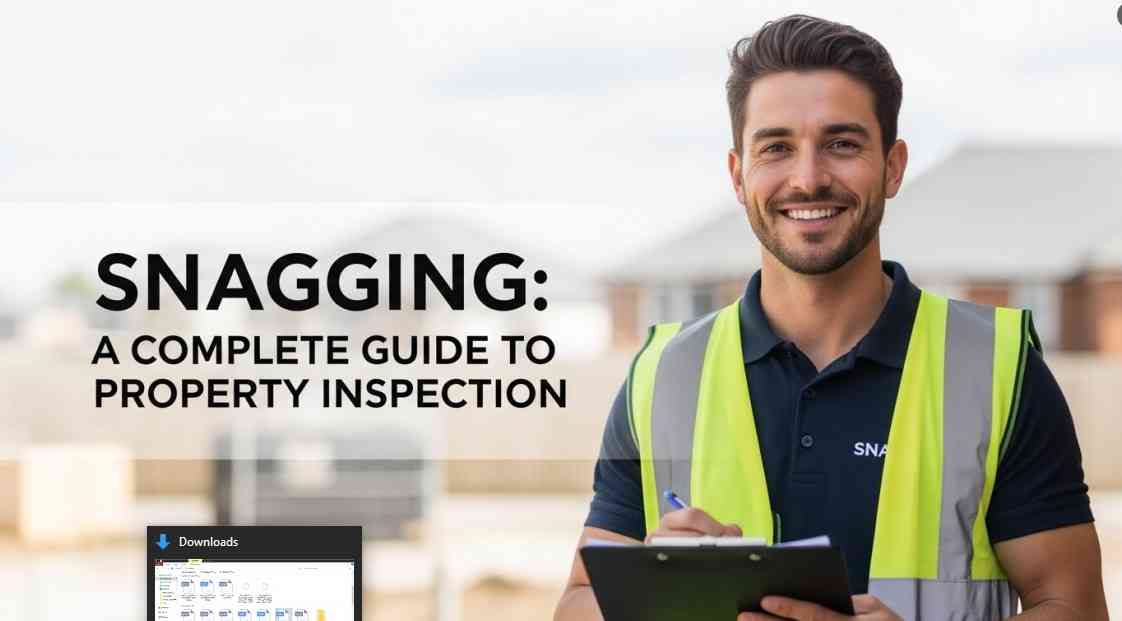
Property inspection is a detailed assessment of a property's condition conducted to identify visible defects, maintenance concerns, and potential risks. It plays a crucial role in real estate transactions by helping buyers, sellers, and property owners understand the actual condition of a building before making important decisions.
Whether it is a residential home, commercial space, apartment, or villa, a professional property inspection provides valuable insights into the structural integrity and functionality of the property. It helps uncover issues that may not be immediately visible during a regular viewing.
Why Property Inspection Is Important
Purchasing or owning a property is a significant investment. A property may appear perfect on the surface, but hidden defects can lead to expensive repairs and future complications. Property inspection helps identify these problems before they become major concerns.
For buyers, it provides confidence that the property is worth the investment. For sellers, it offers an opportunity to address issues before listing the property on the market. Property owners can also use inspections to maintain the condition of their assets and avoid costly damage.
A thorough inspection helps ensure transparency and reduces the likelihood of disputes after a transaction is completed.
Key Areas Covered During Property Inspection
Structural Components
Inspectors evaluate the overall structural condition of the property. This includes walls, ceilings, floors, foundations, and other critical components that support the building. Any signs of cracks, movement, or deterioration are carefully examined.
Roofing System
The roof protects the entire property from weather-related damage. During the inspection, the roofing materials, drainage systems, and visible signs of leaks or wear are assessed to ensure proper functionality.
Electrical Systems
Electrical inspections focus on wiring, switches, sockets, distribution panels, and other components. The goal is to identify safety hazards, outdated installations, or defects that may affect performance.
Plumbing Systems
Water supply lines, drainage systems, faucets, and visible plumbing fixtures are checked for leaks, blockages, and potential maintenance issues. Proper plumbing is essential for both comfort and long-term property value.
Doors and Windows
Doors and windows are inspected to ensure smooth operation, proper sealing, and structural stability. Damaged frames or poor insulation can affect energy efficiency and security.
Interior Finishes
Inspectors assess the condition of walls, paintwork, flooring, ceilings, and fixtures. Visible defects such as stains, cracks, uneven surfaces, or poor workmanship are documented.
Exterior Features
The exterior condition of the property is equally important. This includes boundary walls, driveways, pathways, landscaping elements, and drainage systems.
Benefits of Property Inspection
Helps Avoid Unexpected Expenses
One of the primary advantages of property inspection is the ability to identify issues before they become costly repairs. Understanding the property's condition allows buyers and owners to plan future maintenance more effectively.
Supports Better Decision Making
Property inspection provides factual information about the condition of a building. This enables buyers to make informed purchasing decisions and sellers to set realistic expectations.
Improves Negotiation Opportunities
When inspection findings reveal necessary repairs, buyers may use the information during negotiations. Sellers can also address concerns in advance to strengthen their position in the market.
Enhances Safety
Safety is a major concern for any property owner. Property inspections help identify hazards related to electrical systems, structural components, and other areas that may pose risks to occupants.
Protects Property Value
Regular inspections contribute to the long-term preservation of a property's value. Early detection of issues prevents deterioration and helps maintain the property's market appeal.
When Should a Property Inspection Be Conducted?
Before Buying a Property
A pre-purchase inspection helps buyers understand the true condition of a property before finalizing the transaction. It provides clarity and reduces the risk of unpleasant surprises after moving in.
Before Selling a Property
Sellers can benefit from conducting an inspection before listing their property. Addressing defects early can improve buyer confidence and streamline the sales process.
During Property Ownership
Routine inspections help property owners identify maintenance needs and preserve the condition of their investment over time.
After Renovation Work
Following renovation or construction work, an inspection can verify the quality of workmanship and ensure all systems function correctly.
Common Issues Found During Property Inspection
Property inspections often uncover a variety of defects and maintenance concerns. Some of the most common findings include:
Water Leakage
Leaks around plumbing fixtures, roofs, and walls can lead to structural damage if left untreated.
Electrical Defects
Faulty wiring, damaged outlets, and improper installations may create safety hazards.
Cracks in Walls
Visible cracks can indicate settlement, structural movement, or construction defects that require further evaluation.
Poor Drainage
Improper drainage systems may cause water accumulation around the property, increasing the risk of damage.
Damaged Finishes
Issues such as peeling paint, broken tiles, and uneven flooring can affect both appearance and functionality.
How to Prepare for a Property Inspection
Preparing for a property inspection helps ensure a smooth and efficient process. Property owners should provide access to all accessible areas, remove obstacles, and ensure utilities are functioning properly.
Gathering relevant maintenance records and repair documentation can also be helpful. Clear access allows inspectors to conduct a more comprehensive assessment and provide accurate findings.
Choosing a Professional Property Inspection Service
Selecting a qualified property inspection professional is essential for obtaining reliable results. Experience, industry knowledge, attention to detail, and a thorough inspection process are important factors to consider.
A professional inspector should provide a detailed report outlining findings, observations, and recommendations. Clear documentation helps buyers and owners understand the property's condition and prioritize any necessary actions.
Frequently Asked Questions
What is the purpose of a property inspection?
The purpose of a property inspection is to evaluate the overall condition of a property and identify visible defects, safety concerns, and maintenance issues.
Is property inspection necessary before buying a home?
Yes, property inspection helps buyers understand the condition of the property and avoid unexpected repair costs after purchase.
What areas are checked during a property inspection?
Inspectors typically examine structural elements, roofing, plumbing systems, electrical systems, doors, windows, interiors, and exterior features.
Can property inspection increase property value?
Property inspection can help maintain property value by identifying issues early and allowing timely repairs and maintenance.
How long does a property inspection take?
The duration depends on the property's size, condition, and complexity, but the goal is to ensure a thorough assessment of all accessible areas.
Who should conduct a property inspection?
A qualified and experienced property inspection professional should perform the inspection to provide accurate findings and recommendations.
Conclusion
Property inspection is an essential step for anyone buying, selling, or maintaining real estate. It provides a clear understanding of a property's condition, helps identify hidden defects, and supports informed decision-making. From structural components and electrical systems to plumbing and interior finishes, a comprehensive inspection offers valuable insights that protect investments and reduce future risks. By investing in a professional property inspection, property owners and buyers can move forward with greater confidence and peace of mind.

 English
 Arabic
 French
 Spanish
 Portuguese
 Deutsch
 Turkish
 Italiano
 Russian
 Romaian
 Portuguese (Brazil)
 Greek
Greek
