


 Downloader
 Free FTP
What standards must an Ophthalmic Modular Operation Theatre follow?
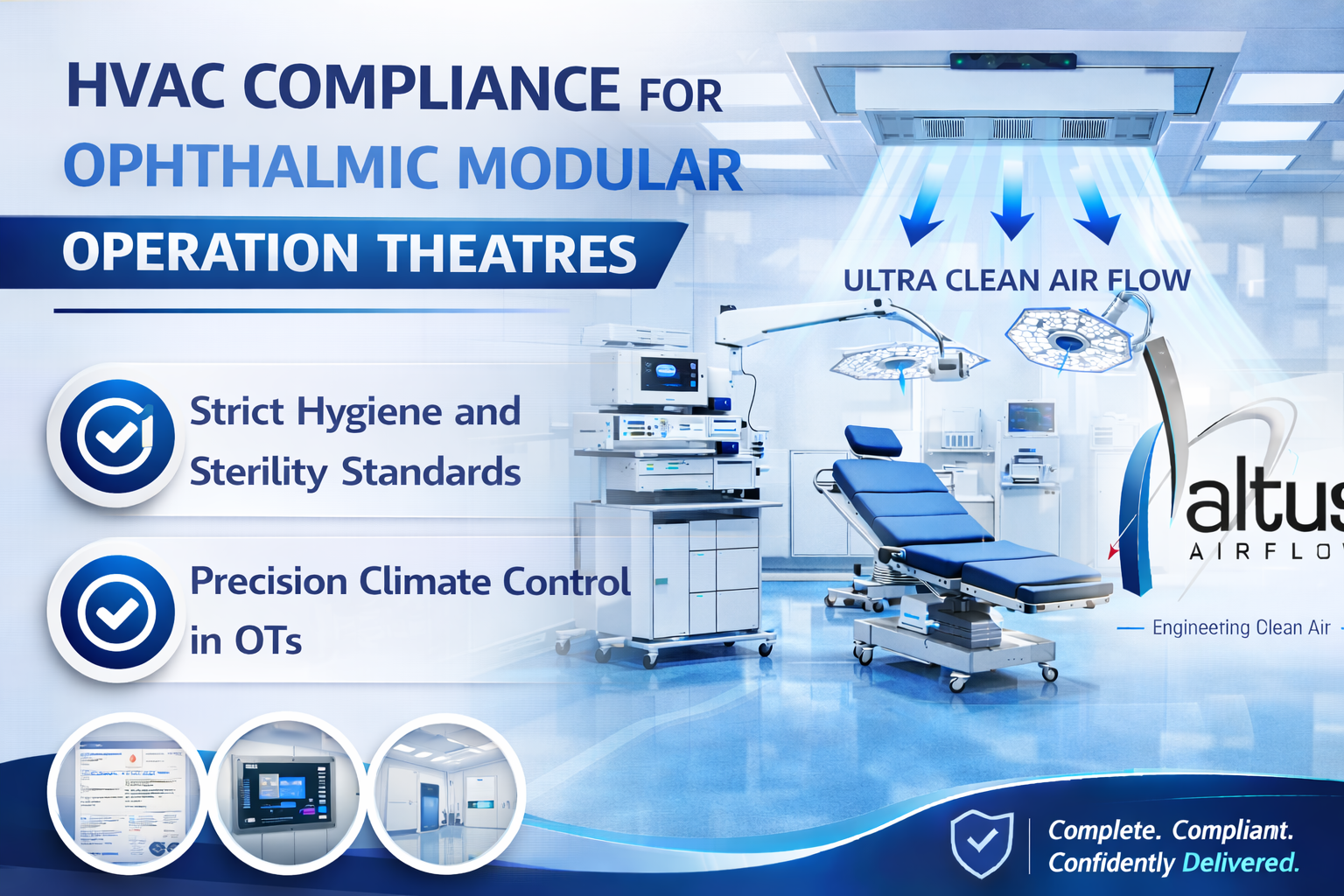
INTRODUCTION
An Ophthalmic Modular Operation Theatre is a highly specialized surgical environment designed for delicate eye surgeries that demand exceptional precision, contamination control, and patient safety. Procedures such as cataract surgery, retinal surgery, corneal transplantation, LASIK, glaucoma treatment, and vitreoretinal procedures require operation theatres that maintain strict environmental and engineering standards. To ensure these standards are consistently achieved, ophthalmic modular operation theatres must comply with multiple healthcare, cleanroom, HVAC, electrical, and safety regulations.
Modern ophthalmic operation theatres are designed using advanced modular cleanroom engineering, HEPA filtration systems, laminar airflow technology, seamless wall and flooring systems, positive pressure environments, and integrated HVAC systems. However, the effectiveness of these systems depends on proper adherence to recognized healthcare standards and certifications. These standards help hospitals maintain sterile surgical conditions, reduce infection risks, improve operational reliability, and ensure regulatory compliance.
Importance of Standards in Ophthalmic Operation Theatres
Standards ensure that operation theatres maintain safety, hygiene, and performance quality.
Standards Help:
- Improve patient safety
- Reduce infection risks
- Ensure environmental stability
- Maintain healthcare compliance
- Improve operational efficiency
Compliance supports high-quality surgical care.
What Is an Ophthalmic Modular Operation Theatre?
A modular ophthalmic OT is a prefabricated cleanroom-based surgical environment.
Key Features Include:
- HEPA filtration systems
- Laminar airflow technology
- Positive pressure systems
- Seamless modular construction
- Advanced HVAC integration
These systems support delicate ophthalmic surgeries.
NABH Standards for Ophthalmic Operation Theatres
NABH standards are widely followed in Indian healthcare facilities.
NABH Guidelines Focus On:
- Patient safety
- Infection control
- Facility management
- Equipment maintenance
NABH compliance improves hospital credibility.
Importance of NABH Compliance
NABH accreditation ensures standardized healthcare practices.
NABH Benefits Include:
- Improved healthcare quality
- Better infection prevention
- Enhanced operational reliability
Accreditation improves patient confidence.
ISO Standards for Modular Operation Theatres
ISO standards regulate quality management systems.
Common ISO Standards Include:
- ISO 9001
- ISO 13485
- ISO 14001
ISO compliance improves infrastructure quality.
ISO 9001 Quality Management Standards
ISO 9001 focuses on quality management processes.
ISO 9001 Helps:
- Improve workflow consistency
- Enhance project quality
- Support customer satisfaction
Quality management improves operational performance.
ISO 13485 Healthcare Standards
ISO 13485 applies to medical equipment and healthcare systems.
ISO 13485 Helps:
- Improve healthcare equipment integration
- Support patient safety
- Maintain regulatory compliance
Medical system quality improves OT performance.
Cleanroom Standards in Ophthalmic OTs
Ophthalmic surgeries require contamination-controlled environments.
Cleanroom Standards Help:
- Reduce airborne contamination
- Improve air cleanliness
- Maintain sterile surgical conditions
Cleanroom engineering improves patient safety.
ISO Cleanroom Classification Standards
Cleanroom classifications regulate airborne particle levels.
Common ISO Classes Include:
- ISO Class 5
- ISO Class 6
- ISO Class 7
These classifications maintain air purity standards.
HVAC Standards for Operation Theatres
HVAC systems must comply with healthcare engineering standards.
HVAC Standards Focus On:
- Air cleanliness
- Temperature control
- Humidity management
- Pressure stability
Environmental stability supports safe surgeries.
Importance of Air Change Rates
Air exchange rates are critical for infection control.
Proper Air Changes Help:
- Remove airborne contaminants
- Maintain sterile air circulation
- Improve OT cleanliness
Efficient airflow improves environmental safety.
Laminar Airflow Standards
Laminar airflow systems maintain controlled sterile airflow.
Laminar Airflow Helps:
- Reduce contamination risks
- Prevent turbulence
- Improve cleanroom performance
Stable airflow supports surgical precision.
HEPA Filtration Standards
HEPA filters must meet filtration efficiency standards.
HEPA Standards Ensure:
- Removal of microscopic particles
- Improved air quality
- Sterile surgical environments
Efficient filtration improves contamination control.
Positive Pressure Standards
Positive pressure prevents contaminated air from entering the OT.
Positive Pressure Helps:
- Maintain sterile conditions
- Improve infection prevention
- Support cleanroom stability
Pressure control improves surgical safety.
Temperature and Humidity Standards
Environmental stability is critical in ophthalmic procedures.
Environmental Standards Help:
- Maintain equipment performance
- Improve patient comfort
- Support cleanroom reliability
Stable conditions improve surgical environments.
Electrical Safety Standards
Operation theatres require highly reliable electrical systems.
Electrical Standards Ensure:
- Power safety
- Equipment protection
- Backup power reliability
Reliable systems reduce operational risks.
Fire Safety Standards
Healthcare facilities must comply with fire safety regulations.
Fire Safety Standards Include:
- Fire-resistant construction materials
- Alarm systems
- Emergency exits
Safety systems protect patients and staff.
Medical Gas Pipeline Standards
Medical gas systems require strict healthcare compliance.
Gas Standards Focus On:
- Gas purity
- Pipeline safety
- Pressure management
Reliable gas systems improve OT functionality.
Infection Control Standards
Infection prevention is a top priority in ophthalmic surgeries.
Infection Control Standards Help:
- Maintain sterile conditions
- Reduce postoperative infections
- Improve patient safety
Strong hygiene systems improve surgical outcomes.
Seamless Flooring Standards
Flooring systems must support contamination control.
Seamless Flooring Helps:
- Prevent dirt accumulation
- Improve sanitation
- Simplify cleaning procedures
Smooth flooring improves cleanroom hygiene.
Modular Wall Panel Standards
Wall systems must meet healthcare hygiene requirements.
Modular Wall Standards Help:
- Improve durability
- Maintain smooth surfaces
- Support easy cleaning
Specialized wall systems improve OT hygiene.
Low VOC Material Standards
VOC emissions can affect air quality.
Low VOC Standards Help:
- Reduce chemical contamination
- Improve indoor air quality
- Protect patients and staff
Safe materials improve environmental quality.
Antibacterial Surface Standards
Antibacterial materials reduce microbial growth.
Antibacterial Standards Help:
- Improve infection prevention
- Support cleanroom hygiene
- Simplify maintenance
Protective surfaces improve operational safety.
Lighting Standards in Ophthalmic OTs
Surgical lighting systems must meet healthcare requirements.
Lighting Standards Ensure:
- Shadow-free illumination
- Adjustable brightness
- Safe electrical integration
Proper lighting improves surgical precision.
Validation and Testing Standards
Operation theatres require testing before becoming operational.
Validation Includes:
- HEPA filter testing
- Airflow balancing
- Pressure testing
- Particle count analysis
Testing ensures system reliability.
Biomedical Waste Management Standards
Waste disposal systems must comply with healthcare regulations.
Waste Management Standards Help:
- Improve sanitation
- Prevent contamination spread
- Maintain environmental safety
Proper disposal improves hygiene.
Noise Control Standards
Quiet environments improve concentration during surgeries.
Noise Standards Help:
- Reduce distractions
- Improve communication
- Support surgeon focus
Controlled acoustics improve OT performance.
Environmental Monitoring Standards
Continuous monitoring maintains operational consistency.
Monitoring Systems Track:
- Air quality
- Temperature
- Humidity
- Pressure levels
Monitoring improves environmental stability.
Sterile Zoning Standards
Proper zoning improves contamination control.
Zoning Standards Help:
- Separate sterile and non-sterile areas
- Improve workflow efficiency
- Reduce contamination risks
Organized layouts improve operational safety.
Maintenance and Revalidation Standards
Regular maintenance is essential for compliance.
Maintenance Includes:
- HVAC servicing
- HEPA replacement
- Equipment calibration
- Pressure monitoring
Routine maintenance improves long-term reliability.
Importance of Documentation and Audits
Healthcare compliance requires proper documentation.
Documentation Includes:
- Validation reports
- Maintenance records
- Inspection logs
- Compliance audits
Proper records improve accountability.
Regulatory Authorities in India
Several organizations regulate healthcare infrastructure standards.
Major Authorities Include:
- NABH
- ICMR
- Fire safety departments
- State healthcare authorities
Compliance improves legal and operational security.
Benefits of Following Healthcare Standards
Major Benefits Include:
- Better patient safety
- Improved infection control
- Enhanced surgical precision
- Increased operational reliability
- Better hospital reputation
Compliance improves healthcare quality.
Risks of Non-Compliance
Ignoring standards can create serious operational risks.
Common Risks Include:
- Increased infection rates
- HVAC failures
- Poor air quality
- Regulatory penalties
Compliance reduces healthcare risks.
Future Trends in Ophthalmic OT Standards
Healthcare regulations continue evolving rapidly.
Emerging Trends Include:
- Smart OT automation standards
- AI-based environmental monitoring
- Sustainable healthcare infrastructure
- Advanced cleanroom technologies
Innovation is improving healthcare compliance systems.
Importance of Choosing Professional OT Engineering Experts
Specialized ophthalmic operation theatres require experienced engineering teams.
Professional Expertise Helps:
- Ensure proper compliance
- Improve infrastructure quality
- Simplify certification processes
Expert planning improves project success.
Conclusion
An Ophthalmic Modular Operation Theatre must follow multiple healthcare, cleanroom, HVAC, electrical, fire safety, infection control, and quality management standards to ensure safe and efficient surgical environments. Important standards include NABH accreditation, ISO quality standards, cleanroom classifications, HEPA filtration requirements, laminar airflow standards, HVAC healthcare guidelines, medical gas compliance, electrical safety regulations, and infection control protocols.
These standards help maintain sterile surgical environments, improve contamination control, ensure environmental stability, and support advanced ophthalmic procedures with greater precision and safety. Hospitals that follow these standards benefit from better patient outcomes, improved operational reliability, enhanced healthcare reputation, and long-term infrastructure performance. As healthcare technology continues advancing with smart OT systems and stricter regulatory requirements, compliance with modern operation theatre standards will remain essential for successful ophthalmic surgical environments. With expertise in cleanroom engineering, modular healthcare infrastructure, HVAC integration, and advanced operation theatre systems, Altus Airflow delivers high-quality ophthalmic OT solutions designed to meet modern healthcare standards and operational requirements.
Frequently Asked Questions (FAQs)
1. Why are standards important for an Ophthalmic Modular Operation Theatre?
Standards ensure that an Ophthalmic Modular Operation Theatre maintains patient safety, infection control, air quality, and operational reliability.
2. What cleanroom standards apply to ophthalmic operation theatres?
Ophthalmic operation theatres commonly follow ISO cleanroom classifications such as ISO Class 5, 6, or 7 depending on surgical requirements.
3. Why is HEPA filtration important in modular operation theatres?
HEPA filtration removes microscopic airborne particles and helps maintain sterile surgical environments.
4. What role does HVAC compliance play in ophthalmic OTs?
HVAC compliance ensures proper temperature, humidity, pressure, and air cleanliness required for safe ophthalmic surgeries.
5. How does NABH accreditation benefit ophthalmic modular operation theatres?
NABH accreditation improves healthcare quality, infection control, patient safety, and operational management standards.
Read Our Previous Blog------>What are the benefits of installing a Modular Ophthalmic Operation Theatre in hospitals?

 English
 Arabic
 French
 Spanish
 Portuguese
 Deutsch
 Turkish
 Dutch
Dutch
 Italiano
 Russian
 Romaian
 Portuguese (Brazil)
