


 Downloader
 Free FTP
What to Look for When Buying a Flat in Mumbai's Premium Localities
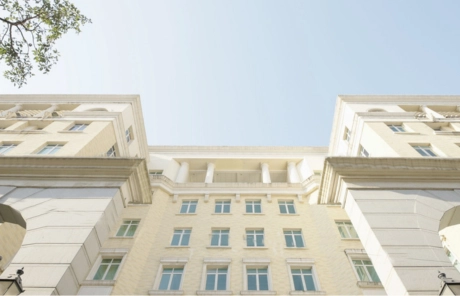
Mumbai’s premium residential areas function as distinct micro-markets shaped by infrastructure, business hubs, and urban planning. Neighbourhoods such as Bandra, Juhu, Worli, Lower Parel, Powai, and parts of Chembur have grown in response to improved connectivity and commercial growth. Property values in these zones depend on more than just the apartment. Locations with stable demand generally retain value better than areas where supply exceeds infrastructure capacity.
Connectivity and Daily Commute Considerations
Connectivity is central to premium housing decisions. Mumbai’s transport network includes suburban rail lines, expanding metro routes, coastal road projects, and major roads such as the Eastern Highway. Even within premium zones, travel times vary due to peak-hour congestion. Apartments near multiple transit options provide greater long-term convenience. It is important to consider connectivity, parking, and internal road conditions, not just map distance.
Project Track Record and Construction Quality
In premium real estate, project consistency is reflected in its structural quality, adherence to timelines, and responsible maintenance. Buyers typically review project delivery records, RERA compliance, and construction materials. Financial stability and transparent documentation are also crucial in reducing future risks. Many buyers refer to reviews and past customer experiences when shortlisting developers, especially those featured among the best real estate builders in Mumbai’s housing sector. This approach helps filter options based on reliability rather than just advertising or brand familiarity.
Legal Clarity and Documentation Checks
Legal due diligence is essential in Mumbai’s property market due to varied land ownership, redevelopment frameworks, and joint development agreements. Key checks include clear title ownership, approved building plans, occupation certificate status, and RERA registration. Understanding society formation and maintenance obligations is also important for long-term clarity of ownership. Redevelopment projects require careful review of rehabilitation agreements and tenant relocation clauses, as delays can extend project timelines.
Lifestyle infrastructure and long-term livability
Premium localities are evaluated based on daily convenience rather than prestige alone. The availability of schools, hospitals, retail spaces, recreational areas, and open green zones directly affects residential comfort. Recent developments emphasise integrated planning, combining residences with commercial and social spaces within the same precinct. Projects like BKC 28 by Shapoorji Pallonji Real Estate are often referenced for their proximity to business districts such as Bandra Kurla Complex, which can influence both rental demand and long-term appreciation. These locations appeal to professionals in banking, consulting, and corporate roles, supporting steady occupancy rates. Older premium zones retain value due to established social infrastructure, while newer areas with planned upgrades are gradually redefining buyer preferences, particularly among long-term investors who prioritise appreciation cycles over immediate occupancy.
Price structuring and future value considerations
Pricing in Mumbai’s premium segment is influenced by factors such as land scarcity, redevelopment premiums, infrastructure announcements, and project brand positioning. Two apartments in similar areas may differ significantly in floor-rise charges, view premiums, and carpet-area efficiency. Payment structures linked to construction milestones also impact financial planning during the booking period.
Future value estimation often depends on upcoming infrastructure projects, including metro connectivity expansion, coastal road construction, and commercial development. Areas near job-creation hubs tend to show steadier appreciation than residential zones. Rental yield expectations also vary by tenant profile, with business districts typically experiencing shorter vacancy cycles.
Conclusion
Buying a flat in Mumbai’s premium localities requires balancing location strength, project reliability, legal clarity, and long-term liveability. Each area has a distinct growth pattern shaped by surrounding infrastructure and economic activity. Evaluating these factors together provides a more accurate view of property value. Resources such as shapoorjirealestate.com can help you understand ongoing developments and project frameworks, especially when comparing planning quality and execution across premium residential offerings.

 English
 Arabic
 French
 Spanish
 Portuguese
 Deutsch
 Turkish
 Dutch
Dutch
 Italiano
 Russian
 Romaian
 Greek
Greek
