


 Downloader
 Free FTP
The Essential Guide to the Crile Retractor in Modern Surgery
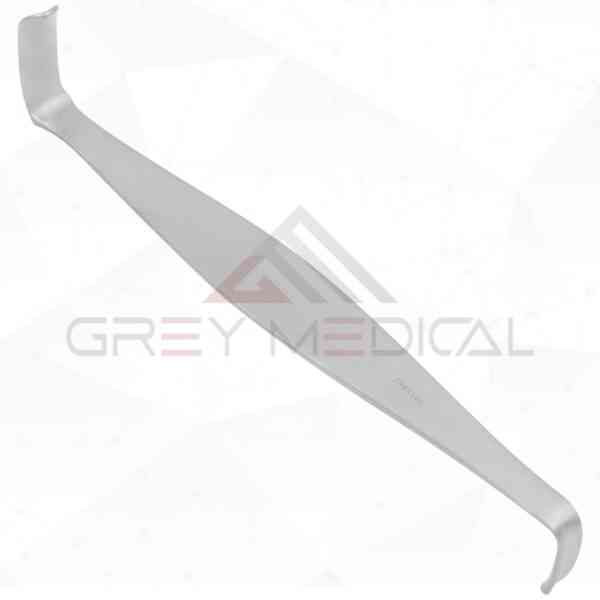
In modern surgery, exposure matters just as much as technique. When surgeons need a clear view of the operative field, the right retractor can make a major difference in control, efficiency, and tissue protection. One instrument that remains widely valued for this purpose is the Crile Retractor. Known for its L-shaped blade and practical, easy-to-handle design, the Crile types of retractors surgery is commonly used to retract tissue in shallow incisions while helping protect nearby structures from unnecessary trauma. It is especially useful in procedures where gentle, reliable exposure is needed without excessive pressure on surrounding tissue.

What Is a Crile Retractor?
The Crile Retractor is a hand-held surgical instrument used to pull back tissue and improve visibility within the surgical field. It is designed for superficial or shallow operative sites, where controlled retraction is needed without deep or aggressive tissue displacement.
Unlike larger retractors built for broad or deep exposure, the Crile Retractor is valued for its ability to provide precise, gentle retraction in smaller surgical areas. This makes it a practical choice in procedures that require a careful approach and consistent control.
It is commonly used in surgeries involving:
- Plastic surgery
- Thyroid surgery
- Soft tissue procedures
- General superficial surgical exposure
- Delicate wound access and retraction
Its role is simple but critical: it helps the surgeon maintain a clear working area while reducing the risk of unnecessary tissue strain.
Why the Crile Retractor Matters in Modern Surgery
Clear exposure supports every stage of a surgical procedure. Without the right visibility, even routine steps can become more difficult and less precise. The Crile Retractor remains important because it helps surgeons create and maintain access in a controlled and tissue-conscious way.
It plays a valuable role by helping surgical teams:
- Improve visibility in shallow incisions
- Retract tissue with precision
- Reduce unnecessary pressure on surrounding structures
- Support careful dissection and closure
- Maintain a cleaner, more organized operative field
For surgeons, this means better control. For patients, it can support safer tissue handling and a more refined surgical approach.
The Link Between Instrument Quality and Surgical Precision
Surgical precision depends on more than skill alone. It also depends on how reliably the instrument performs in the hand. A medical tools for surgery poorly finished or poorly balanced retractor can limit visibility, increase tissue stress, and reduce control during delicate steps.
A high-quality Crile Retractor supports precision by offering:
- Stable tissue retraction
- Smooth blade surfaces that reduce tissue irritation
- Consistent handling during long procedures
- Reliable performance in delicate surgical settings
- Better control in limited operative spaces
When the instrument is properly made, the surgeon can focus on technique rather than compensating for poor design or inconsistent performance.
Key Design Features
The effectiveness of the Crile Retractor comes from a few core design elements. These features help it deliver exposure while supporting safe and efficient tissue handling.
L-Shaped Blade
One of the defining features of the Crile Retractor is its L-shaped blade. This shape allows the instrument to engage tissue cleanly and retract it in a stable, predictable direction.
Benefits of the L-shaped blade include:
- Effective retraction in shallow surgical sites
- Better access to superficial anatomy
- Controlled exposure without excessive force
- Improved visibility in smaller operative fields
This design is especially useful when the goal is to hold tissue back gently while preserving nearby structures.
Ergonomic Handle
A retractor must feel secure in the hand, especially during procedures that require steady, prolonged use. The ergonomic handle of the Crile Retractor helps improve comfort and control.
Advantages include:
- A more comfortable grip during extended procedures
- Better control during fine movements
- Reduced hand fatigue
- More stable retraction when precision matters
When the handle design supports the surgeon’s natural grip, tissue retraction becomes more efficient and less physically demanding.
Stainless Steel Construction
High-quality stainless steel remains the standard for reusable surgical instruments, and the Crile Retractor is no exception.
Benefits of stainless steel include:
- Durability: Built for repeated use in demanding surgical settings
- Corrosion resistance: Helps preserve instrument integrity over time
- Sterilization compatibility: Suitable for routine cleaning and reprocessing
- Consistent performance: Maintains structure and finish through regular clinical use
For hospitals and surgical centers, stainless steel construction supports both long-term value and dependable daily function.
Smooth Blade Finish
Blade finish plays a direct role in how safely the instrument interacts with tissue. A smooth, well-finished blade helps reduce friction and lowers the risk of tissue irritation or unintended trauma.
A quality blade finish supports:
- Gentler contact with tissue
- Reduced risk of snagging or abrasion
- Cleaner retraction during delicate procedures
- More predictable instrument performance
This is particularly important in procedures where precision and tissue preservation are top priorities.
Balanced Shape and Handling
A well-made Crile Retractor should feel balanced, responsive, and easy to position. The overall shape should support reliable retraction without awkward movement or excess strain.
Strong handling design helps provide:
- Better tactile control
- More stable positioning
- Improved maneuverability in small operative fields
- Greater confidence during delicate surgical steps
Instruments that feel natural in the hand can improve workflow and help procedures move more smoothly.
Common Surgical Applications
The Crile Retractor is used in several specialties because it provides dependable exposure in shallow incisions and controlled access to superficial tissue layers.
Plastic Surgery
In plastic surgery, careful exposure is essential. Surgeons often work in refined, highly visible areas where tissue handling must be precise and gentle.
The Crile Retractor can help by:
- Providing clean exposure in superficial operative sites
- Supporting careful tissue separation
- Protecting surrounding tissue from unnecessary pressure
- Improving visibility during detailed surgical work
Its size and design make it useful in procedures where controlled retraction is more important than forceful displacement.
Thyroid Surgery
In thyroid surgery, exposure must be achieved in a focused and controlled manner. The anatomy is delicate, and clear visualization is critical.
The Crile Retractor supports these procedures by helping:
- Retract superficial tissue layers gently
- Improve access to the thyroid region
- Maintain visibility in a confined operative field
- Reduce trauma to nearby soft tissue
Its ability to assist with organized, shallow retraction makes it a practical tool in this setting.
Soft Tissue Surgery
The Crile Retractor is also widely used in soft tissue surgery, where dependable exposure is needed without damaging surrounding structures.
It can support:
- Retraction of skin and superficial tissue
- Better access during soft tissue dissection
- Controlled exposure in minor and moderate procedures
- Safer handling of tissue near the incision site
This makes it a versatile instrument across many routine surgical applications.
Other Superficial Surgical Uses
Beyond these common specialties, the Crile Retractor may also be used in a range of procedures that involve shallow access and delicate tissue management.
Additional uses may include:
- General surgical wound exposure
- Small-incision procedures
- Assistance during closure
- Superficial operative field organization
Mini-summary: Wherever a surgeon needs steady exposure in a shallow incision without harsh tissue handling, the Crile Retractor remains a reliable choice.
Why Surgical Teams Rely on the Crile Retractor
Surgical teams rely on instruments that perform consistently under pressure. The Crile Retractor remains a staple because it combines straightforward design with dependable function.
Key reasons it is valued include:
- Effective exposure in shallow incisions
- Gentle retraction that helps protect surrounding tissue
- Simple, dependable L-shaped blade design
- Comfortable handling and control
- Durable stainless steel construction
- Broad usefulness across multiple surgical specialties
In many operating rooms, it is a practical instrument that supports both precision and efficiency.
What Healthcare Professionals Should Look for When Purchasing Crile Retractors
Choosing the right Crile Retractor involves more than selecting the correct name on a catalog page. Instrument quality affects handling, durability, and tissue interaction. For healthcare professionals, careful evaluation can help prevent performance issues in the operating room.
When purchasing Crile Retractors, the following factors deserve close attention.
Stainless Steel Quality
The quality of the stainless steel affects the instrument’s strength, corrosion resistance, and long-term reliability.
Look for:
- Medical-grade stainless steel
- Strong resistance to rust and staining
- Reliable performance after repeated sterilization
- Structural durability with regular use
A well-made stainless steel instrument is more likely to maintain its shape, finish, and function over time.
Blade Finish
Blade finish is one of the most important purchasing considerations for this instrument. Since the blade directly contacts tissue, it should be smooth, uniform, and free from rough edges.
Check for:
- Smooth blade surfaces
- Clean finishing without burrs
- Even edges and proper shaping
- No visible flaws that could irritate tissue
Poor blade finishing can affect both tissue safety and surgical control.
Handle Comfort and Balance
Even a durable instrument can underperform if it does not feel right in the hand.
Consider whether the retractor offers:
- A comfortable grip
- Good balance during use
- Easy positioning in shallow operative sites
- Reliable control without strain
Ergonomics matter, especially in procedures that demand steady retraction.
Size and Pattern Consistency
Different procedures may require different blade sizes or lengths. Consistency across instrument sets also matters for workflow.
Review whether the supplier provides:
- Appropriate size options
- Consistent manufacturing standards
- Reliable design across inventory
- Compatibility with your existing surgical trays
Common Purchasing Mistakes to Avoid
When buying Crile Retractors, some mistakes can lead to poor clinical performance or shorter instrument life.
Avoid these issues:
Choosing Low Cost Over Finish Quality
A lower-cost instrument may seem appealing, but rough finishing or inconsistent shaping can affect tissue handling and reliability.
Overlooking Blade Surface Quality
If the blade is not smooth and properly finished, it may increase the risk of tissue irritation during retraction.
Ignoring Long-Term Reprocessing Needs
An instrument must withstand repeated cleaning and sterilization without losing performance or finish quality.
Failing to Consider Handling Comfort
A retractor that feels awkward or poorly balanced can reduce control during delicate procedures.
The Long-Term Value of a High-Quality Crile Retractor
A high-quality Crile Retractor offers value well beyond one procedure. When made with durable stainless steel and a properly finished blade, it can provide dependable performance across repeated use.
For healthcare facilities, that can mean:
- Fewer replacements over time
- More consistent surgical performance
- Better support for tissue-conscious technique
- Improved confidence among surgeons and staff
- Stronger alignment with patient safety goals
Reliable retractors help support both clinical quality and operational efficiency.
Final Thoughts
The Crile Retractor remains an important instrument in modern surgery because it provides controlled exposure in shallow incisions while helping protect surrounding tissue. Its L-shaped blade, ergonomic handle, and stainless steel construction make it especially useful in plastic surgery, thyroid surgery, and soft tissue procedures where precision and gentle retraction matter.
For healthcare professionals, selecting the right Crile Retractor means focusing on design, handling, stainless steel quality, and blade finish. In any surgical setting where visibility and tissue protection go hand in hand, this instrument continues to earn its place in the tray.

 English
 Arabic
 French
 Spanish
 Portuguese
 Deutsch
 Dutch
Dutch
 Italiano
 Russian
 Romaian
 Portuguese (Brazil)
 Greek
Greek
