


 Downloader
 Free FTP
Cotton Fabric Sourcing in India: Low MOQ vs Bulk Manufacturing
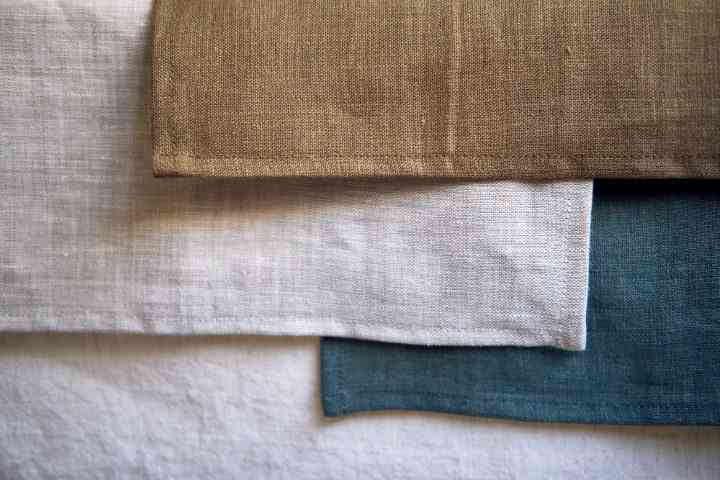
Choosing between low MOQ and bulk manufacturing for cotton fabric in India depends on your business size. Low MOQ fits startups testing new products, while bulk manufacturing offers cost efficiencies for scaling brands. Fabriclore Pvt Ltd provides both, offering a highly managed, digital supply chain for fast, reliable fabric sourcing.
India remains a global powerhouse in textile production. Brands worldwide rely on Indian suppliers for high-quality materials, making the country a primary destination for fashion businesses. However, finding the right manufacturing approach creates a significant challenge for buyers. Brands must decide between ordering small batches (low MOQ) or committing to bulk manufacturing.
This decision directly impacts your brand's cash flow, inventory management, and ability to scale. Making the wrong choice can tie up your capital in unsold stock or leave you without enough inventory to meet customer demand.
As one of the best local and online stores, Fabriclore Pvt Ltd simplifies this process. They provide full-stack supply chain solutions that help fashion businesses confidently buy fabric online. This guide breaks down the benefits and drawbacks of both low MOQ and bulk manufacturing so you can choose the best sourcing strategy for your brand.
What are the benefits of low MOQ for cotton fabric?
Minimum Order Quantity (MOQ) refers to the smallest amount of fabric a supplier allows you to purchase. Low MOQ sourcing means you buy smaller batches of cotton fabric, which offers distinct advantages for specific business models.
How does low MOQ help small businesses?
Low MOQ provides ultimate flexibility. Startups and small fashion brands can test new designs in the market without committing to thousands of meters of fabric. This approach keeps inventory costs low and significantly reduces financial risk. If a specific cotton fabric design fails to sell, you do not face a warehouse full of dead stock. Low MOQ also allows private labels to diversify their product lines quickly, keeping up with fast-changing consumer trends.
What are the drawbacks of low MOQ sourcing?
Buying in smaller quantities increases your per-unit cost. Suppliers charge more for small runs because setting up machines takes time and resources. You also face limited customization options. Many factories reserve their complex dyeing and printing capabilities for clients who place large orders. Finally, scaling becomes a challenge. If a low MOQ product suddenly goes viral, your supplier might lack the capacity to restock the item quickly.
Why choose bulk manufacturing for cotton fabric?
Bulk manufacturing involves ordering large volumes of fabric at once. This strategy caters to established enterprise clients, global retailers, and major export houses that require massive scale and guaranteed capacity.
How does bulk sourcing reduce costs?
Economies of scale make bulk manufacturing highly cost-efficient. When you order large quantities of cotton fabric, the factory maximizes its machine uptime and reduces setup costs. They pass these savings on to you, resulting in a significantly lower price per meter. Bulk orders also secure greater consistency in quality. Factories run large batches through the same dyeing and weaving processes, ensuring color and texture remain uniform across your entire order. Furthermore, large orders unlock complete customization capabilities, allowing you to specify exact fabric weights, weaves, and custom prints.
What are the main challenges of bulk fabric orders?
Bulk manufacturing requires a high initial financial investment. You must pay for large volumes of fabric upfront, which ties up your working capital. You also need physical space to store the materials, adding warehouse costs to your bottom line. Lead times stretch longer because producing thousands of meters takes time. This limits your flexibility; once production begins, you cannot easily change your designs or colors.
How do you choose between low MOQ and bulk manufacturing?
Selecting the right strategy requires you to evaluate your current business stage, financial resources, and product demand.
Choose low MOQ if you run an early-stage startup, want to test a new product line, or operate with a tight budget. Low MOQ keeps your cash liquid and your business agile.
Choose bulk manufacturing if you possess strong historical sales data, need to maximize your profit margins, and have the capital to invest in inventory. Bulk sourcing works best for core staple items that sell consistently year-round.
Can fashion brands use a hybrid sourcing strategy?
Yes. Many successful brands utilize a hybrid approach. They use bulk manufacturing for their proven, best-selling core items to secure the best profit margins. Simultaneously, they use low MOQ sourcing to test seasonal trends and experimental designs. Once a low MOQ item proves popular, the brand transitions that specific item to bulk manufacturing.
How does Fabriclore Pvt Ltd support your fabric sourcing needs?
Fabriclore Pvt Ltd operates as a strategic supply chain partner rather than just a sourcing platform. They bridge the gap between small-scale agility and industrial-scale production.
What makes Fabriclore a strategic supply chain partner?
Fabriclore orchestrates industrial-scale production with a monthly processing capacity of 20 lakh meters. They utilize a distributed manufacturing model, partnering with a vetted network of small, medium, and large-scale units. This provides elasticity—allowing you to scale up during high seasons without bearing fixed machinery costs.
For enterprise clients, Fabriclore eliminates the risks of fragmented suppliers. They enforce total accountability through a "Digital Fortress" ERP system. This system provides real-time reporting from the factory floor and issues digital Quality Passports for every batch. Fabriclore's in-house QA team works directly on-site at partner mills to catch errors at the source.
If you want to review materials physically, Fabriclore’s Experience Studio offers over 5,000 base fabrics. Design heads can finalize entire collections in one visit, knowing every swatch is pre-vetted for massive scalability. From the first sample to the millionth meter, Fabriclore acts as your single point of contact.
What are the best practices for sourcing cotton fabric in India?
Securing a reliable supply chain requires careful planning and strict oversight.
-
Conduct strict due diligence: Vet your suppliers thoroughly. Look for partners with proven track records, transparent operations, and digital governance systems.
-
Sign clear contracts: Detail your expectations regarding quality, lead times, and payment terms in writing. Clear communication prevents costly misunderstandings.
-
Enforce quality control: Do not rely solely on the factory's internal checks. Work with partners who utilize independent, on-site quality assurance teams to monitor production stages.
-
Prioritize sustainable operations: Choose suppliers who manage their networks effectively and meet rigorous 2026 sourcing standards for transparency and accountability.
Make the Right Choice for Your Fashion Brand
Your sourcing strategy dictates your brand's operational success. Low MOQ limits your financial risk and offers agility, while bulk manufacturing drives cost efficiency and consistent quality. By evaluating your business size, budget, and market demand, you can build a resilient supply chain.
When you are ready to buy fabric online, partnering with an industrial powerhouse like Fabriclore Pvt Ltd ensures you get the exact cotton fabric you need. Their vertical integration and tech-enabled platform guarantee on-time delivery, giving you the capacity of a conglomerate with the precision of an in-house lab. Assess your current inventory needs today and contact a strategic supply chain partner to secure your production line.
FAQs
What is the minimum order quantity for cotton fabric in India?
The exact MOQ varies by supplier. Some specialized low MOQ vendors accept orders as small as 10 to 50 meters for ready stock, while industrial bulk manufacturers often require minimums of 1,000 to 5,000 meters per design.
How long does bulk cotton fabric manufacturing take?
Bulk manufacturing lead times generally range from 30 to 60 days, depending on the complexity of the weave, custom dyeing requirements, and the factory's current processing capacity.
Is it safe to buy fabric online from Indian suppliers?
Yes, provided you partner with vetted, tech-enabled suppliers. Companies like Fabriclore Pvt Ltd use real-time ERP systems and on-site QA teams to ensure complete transparency and quality control when you buy online.
Can I customize cotton fabric with a low MOQ order?
Customization remains limited for low MOQ orders. While you might select specific colors from ready stock, custom prints and specialized weaves typically require bulk order commitments to offset factory setup costs.

 English
 Arabic
 French
 Spanish
 Portuguese
 Deutsch
 Dutch
Dutch
 Italiano
 Russian
 Romaian
 Portuguese (Brazil)
 Greek
Greek
