


 Downloader
 Free FTP
Why Does Yonoel's Pet First Aid Kit Manufacturer Include a Triage Decision Flowchart in Every Kit
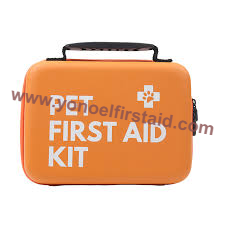
A dog limping after a park visit or a cat bleeding from a paw causes immediate panic for any pet owner. The line between a minor wound and a life-threatening emergency often appears blurry without proper training. A responsible Pet First Aid Kit Manufacturer recognizes that supplying bandages and antiseptics alone proves insufficient without teaching owners how to assess injury severity. Yonoel has built a production environment meeting medical device standards while developing educational tools that transform a simple kit into a decision-making system. How does a manufacturer effectively train thousands of pet owners to distinguish between a home-treatable scratch and a veterinary emergency without overwhelming them with medical jargon?
Visual triage tools represent the most direct training method. Yonoel includes a laminated double-sided card inside each pet kit. One side displays photographs of common injuries: superficial cuts, minor abrasions, embedded objects, and deep punctures. Each image carries a colored border. Green-border images indicate home treatment possible with kit contents. Yellow-border images signal veterinary attention within hours. Red-border images instruct immediate emergency transport. A pet owner facing an actual wound compares their pet's injury to these reference photos within seconds, eliminating guesswork during stressful moments. This visual system trains owners through repeated exposure, as each kit opening reinforces the color-coded urgency scale.
Breathing assessment training addresses one of the most misunderstood emergency signs. A panting dog after exercise appears normal, but labored breathing with stretched neck and open mouth signals distress. Yonoel's instruction guide includes a simple counting method printed on waterproof paper: owners place a hand on the pet's chest and count breaths for fifteen seconds, then multiply by four. A resting dog exceeding thirty breaths per minute requires immediate veterinary evaluation. Cats showing open-mouth breathing at rest face critical danger. The guide presents these numbers without complex medical terms, training owners to recognize respiratory failure patterns before visible collapse occurs. This single skill prevents fatal delays in conditions like heart failure or heatstroke.
Bleeding severity education prevents either overreaction or dangerous neglect. A small cut on a paw pad often bleeds profusely due to high vessel density, yet typically stops with pressure. Yonoel trains owners through a simple pulse test printed on the kit's inner label: apply gauze with firm pressure for two full minutes. If bleeding continues after this period, deeper vessel involvement requires professional closure. Arterial bleeding—bright red blood spurting in rhythm with heartbeat—receives red-border designation for immediate emergency action. The guide instructs owners to maintain direct pressure while en route rather than attempting home bandaging. This training transforms a panicked owner into a composed first responder who knows exactly when to drive and when to call.
Mucous membrane color assessment provides a third critical training component. Healthy pets display pink gums, while pale or white gums indicate significant blood loss or shock. Blue-tinged gums suggest oxygen deprivation from choking or heart conditions. Brick-red gums appear in heatstroke or certain toxin exposures. Yonoel includes a small color reference strip adhered to the kit's inside cover. Owners lift their pet's lip and match gum color to this strip within ten seconds. Each color carries a clear action instruction printed directly beside it. This training eliminates the need for veterinary knowledge while providing professional-grade assessment criteria.
Behavioral change detection often gets overlooked in standard first aid guides. A cat hiding under furniture or a dog refusing weight on one leg signals pain even without visible wounds. Yonoel's training materials include a simple checklist: eating habits, water consumption, vocalization changes, and posture abnormalities. Owners check boxes during assessment, with specific combinations triggering yellow or red border actions. A dog that ate breakfast but now refuses a favorite treat receives yellow-border instruction for same-day veterinary evaluation. This checklist approach trains owners to notice subtle changes that precede visible emergencies.
The final training component addresses the most common owner mistake: delaying care while searching online symptoms. Yonoel's kit lid displays a printed decision tree with three questions: is breathing difficult, is bleeding uncontrolled, is the pet conscious. A "yes" to any question directs immediate driving to a veterinary hospital without phone calls or internet searches. https://www.yaonoelfirstaid.com/product/pet-first-aid-kit/ integrates these training tools directly into product packaging, ensuring education reaches owners exactly when they need it. A pet owner who practices these assessment skills during calm moments performs competently during real emergencies. The question every pet owner must ask themselves: does your current first aid supply include any system for distinguishing a scratch from a crisis?

 English
 Arabic
 French
 Spanish
 Portuguese
 Deutsch
 Dutch
Dutch
 Italiano
 Russian
 Romaian
 Portuguese (Brazil)
 Greek
Greek
