


 Downloader
 Free FTP
Promote Your Product
Got a product, service, or story to share? Promote it directly to our active community and boost your brand today.
Create an Ad
Publish Bulk Blog Posts
Boost Your Reach! 📝
Have articles, guest posts, or bulk stories to publish? Send your content directly to our editorial team and feature on our platform.
Email Us Your PostsRoller Ball Bearing Noise? Prevent Machine Breakdown Fast
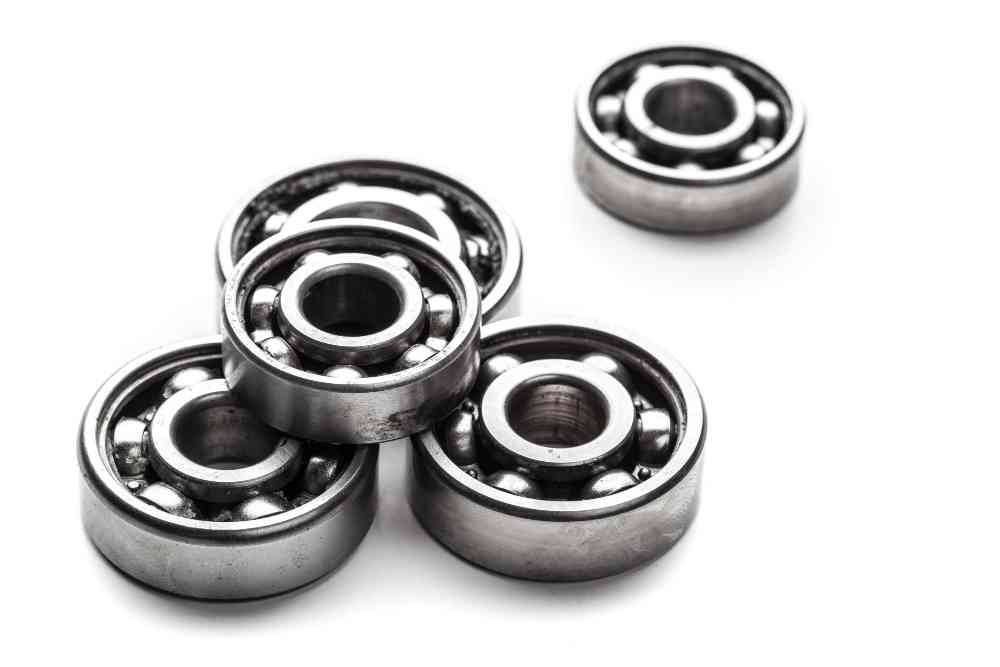
Industrial and mechanical systems rely heavily on roller ball bearings to ensure smooth rotation, reduce friction, and support heavy loads. When these bearings begin to fail, the effects are rarely isolated. Instead, they spread across connected machinery components, leading to reduced efficiency, vibration issues, overheating, and unexpected breakdowns.
In many operations, early signs of bearing wear are overlooked because machines may still function at reduced capacity. However, ignoring these symptoms often leads to larger mechanical failures that increase repair costs and downtime. For manufacturers, maintenance teams, and industrial distributors, understanding roller ball bearing performance is essential for maintaining operational stability.
Roller ball bearings are designed for continuous load distribution and smooth motion. But constant pressure, contamination, and improper maintenance gradually reduce their effectiveness. Without timely attention, small issues quickly escalate into serious equipment failures.
Early Warning Signs of Roller Ball Bearing Failure
Detecting bearing issues early can significantly reduce maintenance expenses and prevent production loss. Most failures show gradual symptoms before complete breakdown occurs.
Increasing Vibration During Operation
One of the first signs of a failing roller ball bearing is abnormal vibration. As internal surfaces wear out, smooth rotation becomes unstable, affecting the entire machine structure.
Unusual Noise From Machinery
Grinding, clicking, or humming sounds often indicate internal bearing damage. These noises usually become louder as machine speed increases or load conditions change.
Rising Equipment Temperature
Excess friction inside worn bearings leads to heat buildup. If temperature levels consistently rise above normal operating conditions, it may indicate lubrication failure or internal damage.
Reduced Mechanical Efficiency
Machines with worn bearings often require more energy to operate. This results in reduced output efficiency and increased operational costs.
Irregular Movement or Load Imbalance
Uneven load distribution caused by damaged bearings can lead to unstable motion, affecting machine precision and performance.
What Causes Roller Ball Bearing Failure?
Several operational and environmental factors contribute to premature bearing damage.
Contaminants Entering the System
Dust, moisture, and industrial debris are major causes of internal bearing wear. Contamination damages lubrication and increases friction between rolling elements.
Improper Load Conditions
Operating machinery beyond designed load capacity places excessive stress on roller ball bearings, reducing their lifespan significantly.
Poor Lubrication Practices
Insufficient or degraded lubrication increases friction and heat generation. This is one of the most common reasons for bearing failure in industrial systems.
Installation Mistakes
Incorrect alignment or improper fitting during installation creates uneven pressure distribution, accelerating wear and tear.
Continuous High-Speed Operation
Machines operating at high speed for long durations experience increased thermal and mechanical stress, which shortens bearing life.
Why Ignoring Bearing Issues Leads to Expensive Failures
Many industries continue operating equipment despite early warning signs of bearing wear. While this may temporarily avoid downtime, it often results in more severe problems later.
A failing roller ball bearing can damage shafts, housings, gears, and surrounding mechanical systems. As the issue spreads, repair complexity increases and costs rise significantly.
Unexpected equipment breakdowns can also interrupt production schedules, delay deliveries, and reduce overall efficiency. For industrial operations, downtime often leads to significant financial losses.
Preventive maintenance and early intervention are always more cost-effective than full equipment repair or replacement.
How to Select Reliable Roller Ball Bearings
Choosing the right bearing is essential for long-term machine reliability and performance stability.
Verify Technical Specifications
Ensure the bearing matches load capacity, size, and operational requirements of the machine for optimal performance.
Focus on Material Quality
High-grade steel and precision manufacturing improve durability, reduce wear, and extend service life under demanding conditions.
Ensure Proper Seal Protection
Strong sealing systems help prevent contamination from dust, moisture, and industrial particles, improving bearing longevity.
Work With Trusted Suppliers
Reliable suppliers maintain strict quality control, ensuring consistent performance and reducing failure risk in industrial applications.
Preventive Maintenance Practices for Longer Bearing Life
Proper maintenance plays a critical role in extending roller ball bearing performance and reducing unexpected failures.
Monitor Machine Conditions Regularly
Tracking vibration, temperature, and noise levels helps detect early-stage issues before serious damage occurs.
Maintain Proper Lubrication Schedule
Using correct lubrication types and applying them at scheduled intervals reduces friction and prevents overheating.
Keep Equipment Clean
Minimizing exposure to dust and contaminants significantly improves bearing durability and performance stability.
Replace Worn Bearings Early
Delaying replacement often leads to secondary damage in connected mechanical systems, increasing repair costs.
Why Industrial Businesses Prioritize Bearing Reliability
For manufacturers, distributors, and maintenance teams, bearing reliability directly affects productivity and operational efficiency. Frequent failures increase downtime, maintenance costs, and production delays.
High-quality roller ball bearing solutions improve machine stability, reduce failure rates, and enhance long-term performance. Reliable components also support safer operations and more consistent output quality.
As industrial systems continue evolving and operating under higher performance demands, durable bearing technology has become increasingly important across all manufacturing sectors.
Professional Installation Improves Performance
Even high-quality roller ball bearings can fail prematurely if not installed correctly. Professional technicians ensure accurate alignment, proper torque settings, and correct assembly procedures.
Specialized installation tools help reduce internal stress and prevent early wear. Proper installation improves rotational balance, reduces vibration, and extends bearing lifespan.
For industrial operations, professional installation is essential for maintaining system reliability and minimizing unexpected maintenance issues.
Conclusion
Roller ball bearing issues can quickly escalate into vibration, overheating, and equipment failure if ignored. Early warning signs such as noise, unstable motion, and rising temperature should always be addressed immediately.
Using high-quality bearings, following proper installation practices, and implementing preventive maintenance are essential for long-term equipment reliability. For industrial businesses, investing in dependable roller ball bearing solutions helps reduce downtime, lower repair costs, and improve overall operational efficiency.

 English
 Arabic
 French
 Spanish
 Portuguese
 Deutsch
 Turkish
 Dutch
Dutch
 Russian
 Romaian
 Portuguese (Brazil)
 Greek
Greek
