


 Downloader
 Free FTP
Launch a Successful Taxi Business App in USA with Smart Features
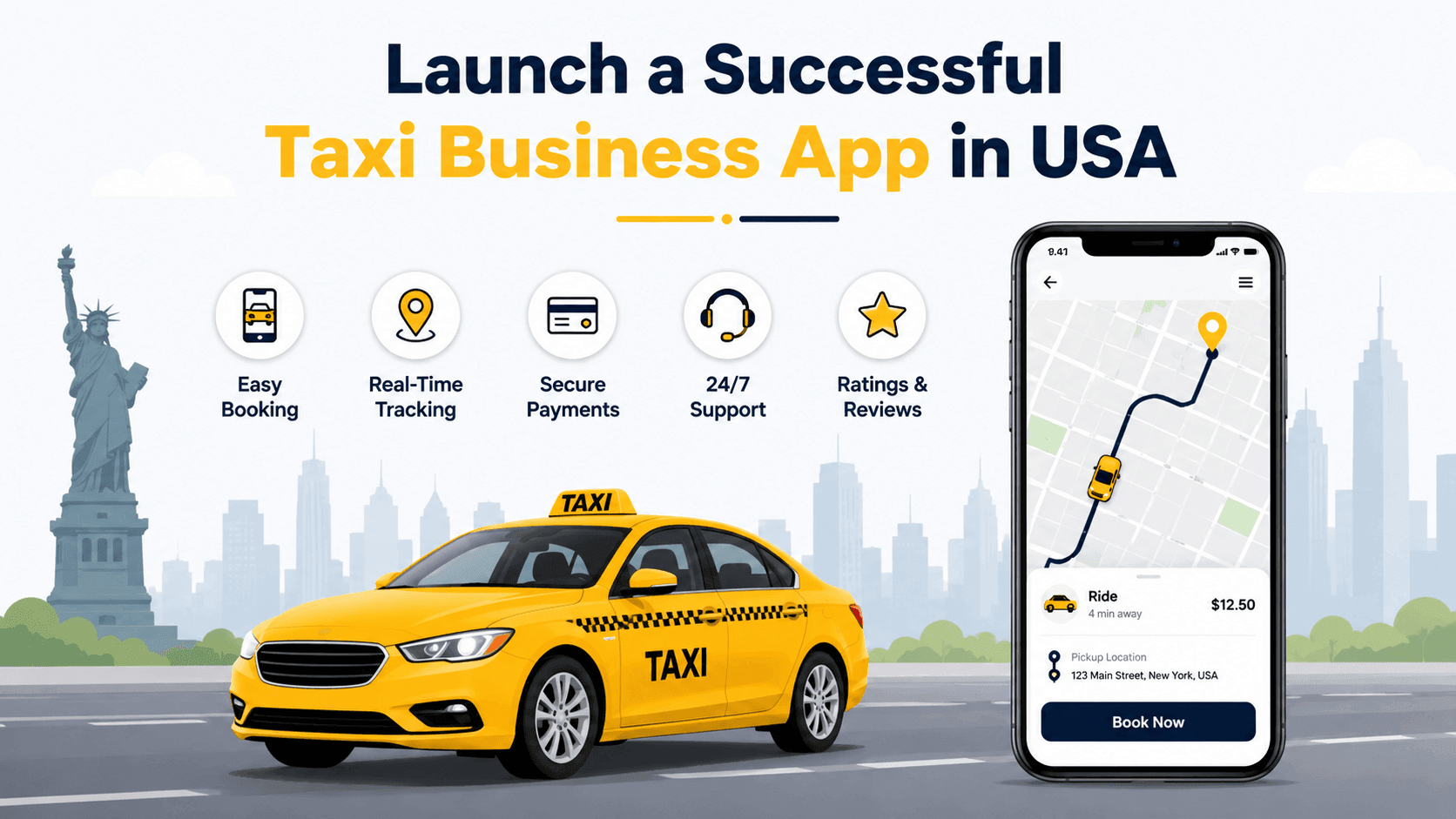
In today's fast-paced urban environment, the demand for efficient and reliable transportation services has skyrocketed, making the taxi business a lucrative opportunity for entrepreneurs. Launching a successful taxi business app in the USA requires careful planning, innovative features, and a deep understanding of both the market and technological landscape. With the right approach, you can create a platform that not only meets the needs of passengers and drivers but also stands out in a competitive marketplace. This article will guide you through the essential steps to develop a feature-rich taxi app, from understanding market dynamics to implementing smart features that enhance user experience and ensure business growth.
Understanding the Taxi Business Landscape in the USA
Market Trends and Growth Opportunities
The taxi business in the USA is undergoing a transformation with the rise of ride-hailing apps and changing consumer preferences. People are leaning more towards app-based transportation for its convenience and reliability. According to recent studies, the global ride-sharing market is expected to surpass $200 billion in the next few years. This presents a golden opportunity for new entrants with innovative features and solid marketing strategies. Plus, with a significant push towards sustainability, eco-friendly options like electric vehicles can be a game changer.
Competitive Analysis of Existing Taxi Apps
You’ve got big players like Uber and Lyft dominating the market, but don’t let that intimidate you! A successful taxi app can carve out its niche by offering unique services or targeting specific demographics. Study their features, user feedback, and business models. Are there gaps in their service? Perhaps better local service or enhanced driver options? Remember, every David has a chance against a Goliath when the slingshot is aimed just right.
Target Audience and Customer Demographics
Understanding your target audience is crucial. Your ideal customers could range from tech-savvy millennials looking for convenience to older individuals who prioritize safety. Families on the move and business professionals needing reliable transport also fall into your target market. Conduct surveys, gather data, and analyze trends to shape an app that resonates with these groups. The more you know your audience, the better your app can cater to their unique needs.
Key Features of a Successful Taxi Business App
Real-Time GPS Tracking
Real-time GPS tracking is not just a nice-to-have; it’s a must-have! Customers want to know where their ride is at all times—just like they keep tabs on their burrito when it’s being delivered. This feature not only enhances the user experience but also builds trust between drivers and passengers.
In-App Payment Solutions
Make payments seamless with in-app solutions. Forget fumbling for cash or cards while juggling your phone; users should be able to pay with a single tap. Options for credit/debit cards, digital wallets, and maybe even the ability to split fares among passengers are sure to make your app a hit.
Rating and Review System
A rating and review system enhances accountability for both drivers and passengers. After all, no one wants to end up in a ride where the driver thinks “turn left” means “go right.” This feature encourages good behavior, promotes service quality, and allows you to gather valuable feedback for continuous improvement.
Driver and Passenger Safety Features
Safety features are paramount in today’s market. Offering in-app emergency buttons, trip sharing with friends or family, and driver background checks can become your app's selling point. Trust me, no one enjoys the idea of being unsafe while trying to get from point A to point B.
Essential Technology Stack for App Development
Frontend Technologies
For the frontend, it's all about creating a user-friendly interface. Consider React Native for cross-platform compatibility, coupled with attractive UI/UX design frameworks. Users should feel like they’re on a joyride, not trying to untangle a ball of yarn!
Backend Technologies
On the backend, you want something robust and scalable. Node.js or Python with frameworks like Django can handle multiple requests while ensuring speedy performance. Don’t forget to choose a reliable database management system like MongoDB or PostgreSQL—that data isn’t going to store itself!
Cloud Services and APIs
Utilizing cloud services like AWS or Google Cloud is crucial for scalability and data storage. Plus, tap into APIs for functionalities like mapping, payment processing, and SMS notifications. These integrations can save you time and effort, letting you focus on building your app’s core features.
Integration with Mapping and Payment Systems
Map integration is where the magic happens. APIs like Google Maps or Mapbox can provide real-time navigational data, while integrating payment systems like Stripe or Square ensures a smooth transaction process. The less the user has to think about logistics, the more they’ll enjoy the ride!
Legal and Regulatory Considerations
Licensing Requirements
Launching a taxi app isn’t just a matter of developing code; it involves navigating the legal maze of licensing. Different states and cities have specific regulations for taxi operators. Ensure you’re up to date with these requirements to avoid any unwanted roadblocks down the line—because nobody wants to be sidelined by a surprise audit!
Insurance and Liability Issues
Insurance is a crucial part of the taxi business. From covering drivers to passengers, your app needs to ensure that everyone is protected in case of mishaps. Check with legal experts on the necessary liability coverage required in your area; you don’t want a surprise accident turning into a costly affair.
Compliance with Local Transportation Laws
Each locality may have its own set of transportation laws that must be adhered to. From vehicle standards to driver qualifications, staying compliant will save you a lot of headaches. Working with a legal advisor who knows the ins and outs of local regulations can be beneficial, ensuring your app can operate without unexpected hiccups.
Designing an Intuitive User Experience
User Interface (UI) Best Practices
Creating a stunning UI is like ordering a seven-layer cake—excellent ingredients, careful layering, and a touch of flair. Use a clean layout with easy-to-read fonts and recognizable icons, ensuring users can navigate without playing hide-and-seek. Stick to a consistent color scheme that reflects your brand and avoid clutter like the last-minute toppings on that cake. Remember, if users can’t find what they’re looking for, they're more likely to abandon ship than keep scrolling.
User Experience (UX) Testing Methods
To truly understand your app’s user experience, it’s essential to put it to the test. A/B testing is your best friend here—like a friendly competition among cake flavors. Show different versions of your app to users and see which one they devour first. Conduct usability testing sessions with real users to glean insights. Don’t just get feedback—invite them to share their journey, potential hiccups, and any “What were you thinking?” moments. After all, the goal is to ensure a smooth ride, not to make them feel like they’re on a roller coaster.
Accessibility Features for Diverse Users
Inclusivity is key in today’s diverse market, so think of accessibility features as the cherry on top of your app sundae. Incorporate voice commands, screen readers, and high-contrast color options to ensure everyone can use your app comfortably. Also, consider adjustable text sizes for those who may have a hard time reading your brilliantly crafted copy. Making your app accessible isn’t just nice; it’s essential. After all, a taxi doesn't just drive the cool kids around—everyone deserves a ride!
Marketing Strategies to Attract Users
Creating a Compelling Brand Identity
Your brand identity is like your app’s first impression—make it count! Craft a memorable logo and tagline that encapsulate your service. Don’t be afraid to let your personality shine; quirky humor or a friendly vibe can go a long way. Showcase what makes your taxi app unique—be it eco-friendliness, lightning-fast rides, or simply the best drivers in town. Remember, a strong brand identity helps users remember you, like how you remember that one song that just won’t leave your head.
Utilizing Social Media and Digital Marketing
In the age of TikTok dances and Instagram reels, social media is your golden ticket to visibility. Craft shareable content that resonates with your target audience. Run contests, engage with followers, and use platforms like Facebook and Twitter to share updates and promotions. Don’t forget to leverage the power of digital marketing through targeted ads. A strategic ad campaign can be the equivalent of putting a neon sign over your taxi app, drawing in users faster than a moth to a flame.
Partnerships and Collaborations
Collaborations can be the icing on your marketing cake. Team up with local businesses, hotels, or events to offer special rides or discounts. This not only promotes your app but also elevates the partner’s service, creating a win-win situation. Think of it as a buddy system: you help them, and they help you. The more visible you are in the community, the more users will trust and choose your app over the competition.
Monetization Options for Your Taxi App
Commission-Based Revenue Models
One of the most straightforward ways to monetize your app is through a commission-based model. Take a percentage of each fare, and voilà! Just ensure your percentage is competitive enough to keep drivers happy while still being profitable. It’s like finding the sweet spot on a seesaw where both sides can play comfortably. Transparency is crucial—drivers should know what they are signing up for, so leave any hidden fees at the door.
Subscription Services for Drivers
Consider offering subscription plans for drivers who want to access premium features, such as advanced analytics or priority support. Think of it as the VIP pass to your app; riders want the best, and the same goes for drivers. This model creates a steady income stream while giving drivers a sense of belonging. Just remember, deliver value for their subscription to keep them coming back for more!
Ad Revenue Opportunities
If your app gains traction, ad revenue is like finding loose change in your couch cushions—unexpected but delightful! Collaborate with local businesses to display ads within the app, or explore partnerships with larger companies eager to reach your audience. Just be cautious; too many ads can turn your user experience from a smooth ride to a bumpy road. Think of it as seasoning: a little can bring out the flavors, but too much can ruin the dish!
Measuring Success and Iterating on Feedback
Key Performance Indicators (KPIs) to Track
KPIs are your roadmap to success in the taxi business app world. Track metrics like user acquisition, active users, and ride completion rates. Don’t forget to monitor the average ride length and driver ratings—these insights will tell you if the ride is smooth or if your app needs a check-up. Think of KPIs like fuel gauges; they help you know when to refuel and when to hit the brakes!
Gathering User Feedback and Suggestions
User feedback is pure gold—so treat it as such! Implement simple feedback mechanisms, like in-app surveys and rating systems, to allow users to voice their thoughts. Consider creating an engaged community around your app where users can share suggestions, or even better, incentivize them with discounts for their input. The more you listen, the less likely you are to drive in the wrong direction!
Continuous Improvement and Updates
Once you’ve launched your app, the work is just beginning! Regular updates are essential to keep things fresh and exciting. Use the feedback gathered to improve your app continuously. Bugs happen, features need fine-tuning, and trends evolve, so stay on your toes. Approach updates like a chef perfecting a recipe—experimenting and tweaking until it’s just right. Remember, a great app is never truly finished; it’s always a work in progress! In progress. Launching a successful taxi business app in the USA is an exciting venture that combines technology, user experience, and strategic planning. By focusing on smart features, understanding the market, and continuously adapting to user feedback, you can create a service that not only meets the demands of today’s riders but also positions your business for long-term success. Embrace innovation and stay committed to providing exceptional value to both passengers and drivers, and your taxi app will thrive in this dynamic industry.
Frequently Asked Questions
What are the essential features needed for a taxi business app?
The essential features include real-time GPS tracking, in-app payment options, a rating and review system, and safety features such as emergency contact options for both drivers and passengers.
How can I ensure my taxi app complies with local regulations?
To ensure compliance, research the specific licensing and insurance requirements in your target market, consult with legal experts, and stay updated on local transportation laws that affect app-based taxi services.
What marketing strategies are effective for promoting a taxi app?
Effective marketing strategies include creating a strong brand identity, leveraging social media platforms for advertising, forming partnerships with local businesses, and offering promotions or discounts to attract initial users.
How can I monetize my taxi app?
You can monetize your taxi app through various methods, such as implementing commission-based revenue models, offering subscription services for drivers, and exploring ad revenue opportunities within the app.

 English
 Arabic
 French
 Spanish
 Portuguese
 Deutsch
 Turkish
 Dutch
Dutch
 Italiano
 Romaian
 Portuguese (Brazil)
 Greek
Greek
