


 Downloader
 Free FTP
USD 49.6 Billion Projection: Global Luxury Furniture Market Outlook 2036
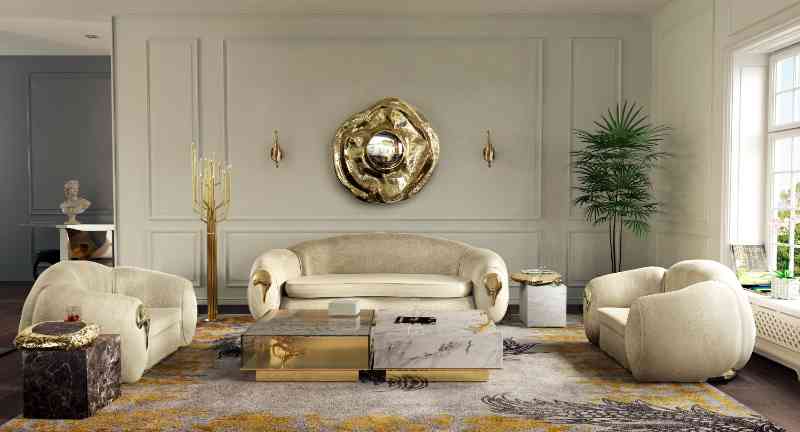
The luxury furniture market is undergoing a sophisticated metamorphosis. Once defined solely by exclusivity and price, "luxury" in 2036 is increasingly measured by heritage, sustainable craftsmanship, and digital integration. As the global ultra-high-net-worth (UHNW) population expands and the definition of home evolves into a multi-functional sanctuary, high-end furniture is transitioning from status symbol to long-term investment asset.
The global luxury furniture market size was valued at USD 28.6 Billion in 2025 and is projected to reach USD 49.6 Billion by 2036, expanding at a CAGR of 5.1% from 2026 to 2036. This growth reflects a resilient high-end consumer base and a surge in luxury real estate developments worldwide.
- Market Drivers: The New Wealth and "The Great Indoors"
The trajectory toward USD 49.6 Billion is anchored in a shift in consumer behavior and global demographics:
- The Rise of Emerging Wealth: Rapid wealth creation in the Asia-Pacific region and the Middle East is creating a new class of "aspirational" luxury consumers who prioritize globally recognized designer brands.
- Residential as an Experience: The "home as a sanctuary" trend has solidified. Consumers are investing in high-end, ergonomic, and aesthetically superior pieces to furnish home offices, private cinemas, and wellness suites.
- Hospitality Synergy: The boom in boutique luxury hotels and "branded residences" (e.g., Armani or Fendi-branded apartments) is driving massive contract-based demand for bespoke, high-end furniture collections.
- The Sustainability Pivot: "Quiet Luxury" and Ethics
By 2036, the environmental footprint of a piece is as scrutinized as its design. Luxury is no longer just about the finish; it’s about the origin.
- Regenerative Materials: The use of rare, endangered woods has been replaced by high-tech bio-materials, reclaimed ancient timber, and certified sustainable hardwoods. Transparency in the supply chain—verified by Blockchain—is becoming a standard requirement for high-end buyers.
- Artisanal Revival: There is a move away from "mass luxury" toward one-of-a-kind, handcrafted pieces. This "Quiet Luxury" movement emphasizes subtle quality and the preservation of heritage craft techniques over loud branding.
- Circular Luxury: The "Resale and Refurbishment" market for luxury furniture is maturing. High-end brands are launching their own certified pre-owned programs, acknowledging that true luxury should last generations, not just seasons.
- Technological Integration: Smart Meets Sophisticated
The "Smart Home" has matured, and luxury furniture is the primary vehicle for this invisible technology.
- Invisible Tech: Luxury sofas now feature integrated, invisible wireless charging; bedside tables include ambient biophilic lighting systems; and dining tables are crafted from "smart surfaces" that can adjust their temperature.
- AR/VR Shopping Environments: Luxury retailers are utilizing high-fidelity Augmented Reality (AR) to allow clients to visualize bespoke pieces in their actual homes with 99% color and texture accuracy, reducing the friction of high-ticket digital purchases.
- Customization via 3D Printing: High-end brands are using advanced 3D printing with recycled metals and polymers to create complex, geometric designs that were previously impossible to achieve with traditional woodworking.
- Regional Dynamics: The Global Landscape
- Europe (The Heritage Leader): Countries like Italy and France remain the global benchmarks for design and craftsmanship. European brands continue to dominate the "Masterpiece" segment, leveraging centuries of artisanal history.
- Asia-Pacific (The Growth Engine): Projected to be the fastest-growing region. Driven by China, India, and Southeast Asia, the region's rapid urbanization and growing appetite for Western luxury brands are fueling massive volume growth.
- Middle East: The "Giga-projects" in Saudi Arabia (such as NEOM) and the luxury boom in Dubai are creating a concentrated demand for ultra-luxury, bespoke contract furniture for palaces and high-end resorts.
Conclusion: The Investment in Longevity
Reaching a valuation of USD 49.6 Billion by 2036 signifies that luxury furniture has become a key pillar of the global lifestyle economy. The successful brands of the next decade will be those who can harmonize timeless artisanal beauty with modern ethical standards. In 2036, luxury furniture is not just about filling a room; it is about curating an environment that reflects the owner's values, history, and vision for a sustainable future.

 Arabic
 French
 Spanish
 Portuguese
 Deutsch
 Turkish
 Dutch
Dutch
 Italiano
 Russian
 Romaian
 Portuguese (Brazil)
 Greek
Greek
