


 Downloader
 Free FTP
Why Modern Hospitals Need Advanced Imaging Software in 2026
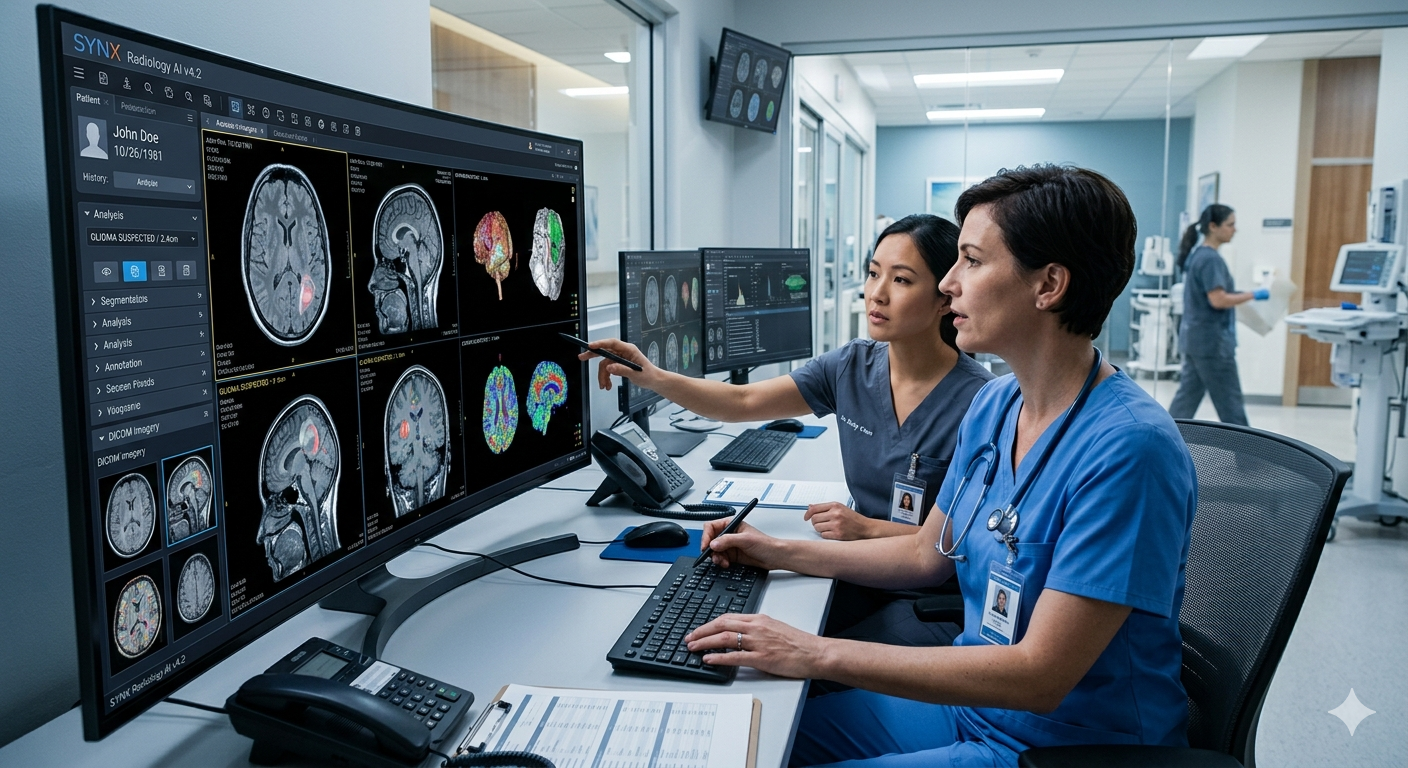
Healthcare has entered a digital-first era where speed, accuracy, and collaboration are essential. Medical imaging plays a major role in diagnosis, treatment planning, and patient monitoring. However, managing thousands of imaging studies manually or through outdated systems slows down hospitals and increases risk.
Modern hospital imaging software is transforming how radiology teams and healthcare organizations manage imaging workflows. Platforms like Aspyra Hospital Imaging Software are designed to simplify imaging operations, improve collaboration, and deliver faster clinical decisions.
Let’s explore why hospital imaging software is now essential in 2026.
The Growing Importance of Medical Imaging
Every day, hospitals generate large volumes of imaging data from:
- X-rays
- CT scans
- MRI scans
- Ultrasound
- Mammography
Managing this data efficiently is critical. Without centralized systems, hospitals face delays, data silos, and workflow inefficiencies.
Modern imaging software solves this challenge by centralizing storage, enabling instant access, and improving collaboration across departments.
What Is Hospital Imaging Software?
Hospital imaging software is a digital platform that helps healthcare providers:
- Store medical images securely
- Share images across departments
- Review and analyze diagnostic studies
- Integrate imaging with hospital systems
It acts as the backbone of radiology departments and ensures imaging data is accessible whenever needed.
Key Challenges Hospitals Face Without Imaging Software
Many healthcare organizations still struggle with outdated imaging workflows. Common problems include:
1. Slow Image Access
Manual or fragmented systems delay diagnosis and treatment.
2. Lack of Integration
Disconnected tools create communication gaps between radiology, physicians, and administration.
3. High Storage Costs
Traditional storage methods are expensive and difficult to scale.
4. Limited Collaboration
Remote access and multi-location collaboration become difficult.
These challenges directly impact patient care and hospital efficiency.
How Modern Imaging Platforms Solve These Problems
Today’s hospital imaging platforms are built to handle demanding clinical environments.
High-Volume Workflow Support
Modern systems are optimized for rapid study review and diagnostic accuracy, helping radiology teams manage heavy workloads efficiently.
Multi-Site Access
Hospitals with multiple locations can access imaging data from anywhere, ensuring seamless collaboration.
Secure Clinical Access
Role-based permissions protect patient data while enabling authorized clinicians to access images quickly.
Deep System Integration
Advanced imaging platforms integrate with HIS, EMR, billing, and scheduling systems, improving workflow continuity.
Major Benefits for Hospitals
Faster Diagnosis and Reporting
Doctors and radiologists gain fast access to diagnostic-grade images, reducing turnaround time and improving patient outcomes.
Improved Clinical Collaboration
Imaging software enables seamless sharing between departments and specialists, making teamwork more effective.
Scalable Infrastructure
Hospitals can grow imaging capacity without replacing existing infrastructure.
Reliable Performance
Modern systems are designed to operate in high-volume clinical environments without disruption.
Who Benefits the Most?
Hospital imaging software supports multiple healthcare environments:
- Community hospitals needing reliable workflows
- Regional medical centers handling high imaging volumes
- Multi-site hospital networks requiring centralized access
- Large healthcare systems seeking long-term scalability
These organizations benefit from a stable imaging infrastructure designed for clinical efficiency.
Why Integration Is Critical in 2026
Healthcare technology is becoming more interconnected. Imaging software must work seamlessly with:
- Electronic Medical Records (EMR)
- Radiology Information Systems (RIS)
- Hospital Information Systems (HIS)
- Billing and scheduling tools
Integrated systems reduce manual work and ensure a smooth patient journey.
The Future of Hospital Imaging
Looking ahead, imaging platforms will continue to evolve with:
- Cloud-based storage and access
- AI-assisted diagnostics
- Remote radiology workflows
- Advanced data security standards
Hospitals adopting modern imaging software today are better prepared for tomorrow’s healthcare demands.
Final Thoughts
Efficient imaging management is no longer optional—it is essential for modern healthcare. Hospitals that invest in advanced imaging software gain faster workflows, improved collaboration, and better patient care.
If your organization is exploring new imaging solutions or planning a system upgrade, you can learn more about modern hospital imaging platforms here:
👉 Hospital Imaging Software by Aspyra

 English
 Arabic
 Spanish
 Portuguese
 Deutsch
 Turkish
 Dutch
Dutch
 Italiano
 Russian
 Romaian
 Portuguese (Brazil)
 Greek
Greek
