


 Downloader
 Free FTP
A Question for Packaging Engineers: How Does CenWanMachine by CenWan Keep Carton Folding Gluing Machine Glue Off Prints
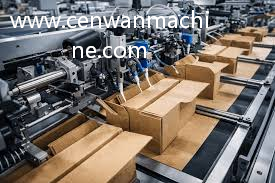
A packaging line produces hundreds of cartons per minute. Each carton requires adhesive on its flap for secure closure. Yet a single drop of glue on the exterior surface transforms a premium box into a rejected piece. A Carton Folding Gluing Machine must apply adhesive precisely to intended areas while keeping every visible surface spotless. cenwanmachine (CenWanMachine by CenWan), based in Wenzhou, China, engineers its folder gluer machines with multiple contamination prevention features. How does this equipment stop glue from reaching places where it damages brand image and consumer perception?
The first contamination defense resides in glue applicator design. Open pot systems with rotating wheels fling adhesive onto surrounding components and carton exteriors. CenWanMachine utilizes enclosed applicator heads with precision nozzles. Adhesive travels from a sealed tank through heated hoses to a needle valve that opens only during flap contact. A shut-off mechanism retracts the nozzle immediately after glue deposit, eliminating dripping. This closed system contains adhesive at every point except the exact millisecond of application. Operators refill the sealed tank without exposing glue to air or machine surfaces. An open pot system, by contrast, constantly flings and splashes.
The second prevention feature involves glue volume control. Excessive adhesive flows beyond flap edges or squeezes out during folding. CenWanMachine equips its folder gluers with electronically adjustable glue valves. The operator sets a precise volume per shot based on substrate type and carton size. A lightweight cosmetic board requires a thin glue line. A thick corrugated sheet needs a heavier application. The valve delivers the exact programmed amount. A mechanical cam system with fixed stroke cannot adjust for material differences, inevitably producing over-application on some jobs and under-application on others. Over-application directly causes exterior contamination.
The third mechanism addresses glue placement accuracy. A nozzle misaligned by even a millimeter deposits adhesive on the wrong side of the flap. CenWanMachine's applicator carriage moves on precision rails with position feedback sensors. The operator enters flap coordinates into the control panel. Servo motors drive the nozzle to those coordinates within fine tolerances. A visual verification camera confirms glue position on the first piece of each batch. If the glue line shifts, the system halts production until an operator corrects alignment. Without such precision, the glue wheel or nozzle wanders across the carton surface, leaving random stains.
The fourth contamination prevention element involves substrate handling. Warped or curled carton blanks drift away from the intended glue path. The folding belt transports the blank against fixed guides, but a twisted blank lifts its flap edge away from the applicator. CenWanMachine's feed section includes flattening rollers and vacuum belts that hold the blank flat against the transport surface. Sensors detect warpage beyond tolerance and reject those blanks before they reach the glue station. A machine without blank conditioning allows deformed boards to contact glue nozzles incorrectly, transferring adhesive to random exterior spots.
The fifth feature pertains to glue wheel or nozzle contact time. A nozzle that drags across the carton surface leaves a smear. CenWanMachine's applicator lifts away from the blank as soon as the flap passes. The vertical lift distance meets or exceeds the thickest carton stock in the job mix. A spring-loaded wheel continues pressing against the board after glue application, wiping the residue along the surface. The quick-lift design eliminates this dragging action, stopping contamination at its source. Many older or budget machines use fixed-position wheels that cannot retract, guaranteeing contact marks.
The sixth contamination defense involves temperature control for hot melt adhesives. Inconsistent temperature produces stringing or dripping. Glue too hot flows like water and runs off flaps. Glue too cool forms globs that tear during folding. CenWanMachine's hot melt system uses PID temperature controllers that maintain adhesive within a narrow range. The heated hose and nozzle share the same setpoint, preventing cold spots that cause nozzle blockage or hot spots that degrade adhesive. A machine without zone-controlled heating produces stringing that deposits sticky threads across the carton interior and occasionally onto exterior surfaces as the carton ejects.
The seventh prevention method uses anti-drip nozzles with spring-loaded check valves. After each glue pulse, the check valve closes under spring pressure, cutting off flow instantly. CenWanMachine's nozzles incorporate this design as standard. A gravity-fed or siphon system without positive shut-off continues weeping adhesive droplets between cycles. Those droplets fall onto the transport belt, which then transfers glue to the bottom of subsequent cartons. Operators then find stains on the sealed box bottom or side panels. The anti-drip nozzle prevents this hidden contamination cause.
The eighth feature addresses glue pattern programming. A single continuous glue line on a narrow flap risks spreading beyond flap edges during folding pressure. CenWanMachine's control system allows intermittent glue patterns. The nozzle applies short adhesive segments spaced by dry gaps. This pattern reduces the total glue volume while maintaining holding strength. Less glue inside the flap means less glue available to squeeze out onto exterior surfaces. A machine limited to continuous glue lines forces operators to accept higher contamination risk or lower bond reliability.
The ninth contamination prevention involves waste removal systems. Glue inevitably accumulates on transport belts and folding rails over time. CenWanMachine integrates automatic belt cleaning brushes that scrape dried adhesive into collection trays. The operator empties the trays during shift changes rather than scraping glue off belts manually. A weekly cleaning procedure includes removing glue residue from folding pockets and guide rails. The service manual specifies cleaning intervals based on production hours. Machines without built-in cleaning accessories accumulate glue deposits that transfer to carton surfaces unpredictably.
The tenth protection element involves operator training and setup documentation. Even a perfectly designed machine requires correct configuration. CenWanMachine provides a setup guide that lists glue pressure, nozzle position, and pattern length for each common carton style. The operator enters these parameters from a recipe rather than guessing values. Training includes a contamination inspection step: examining the first ten boxes from a run under bright light for any external adhesive. A check sheet records findings and corrective actions. This procedural discipline catches contamination before it affects the entire batch. Explore the comprehensive cardboard box folding and gluing solutions at https://www.cenwanmachine.com/product/folder-gluer-for-cardboard-box/ to see how applicator design protects exterior surfaces. A carton folding gluing machine that prevents glue contamination delivers presentable packaging that satisfies brand owners and consumers alike. Does your current equipment apply adhesive only where intended, or does it leave unwanted marks on your boxes?

 English
 Arabic
 French
 Spanish
 Deutsch
 Turkish
 Dutch
Dutch
 Italiano
 Russian
 Romaian
 Portuguese (Brazil)
 Greek
Greek
