


 Downloader
 Free FTP
How Modern Technology is Transforming Construction Design
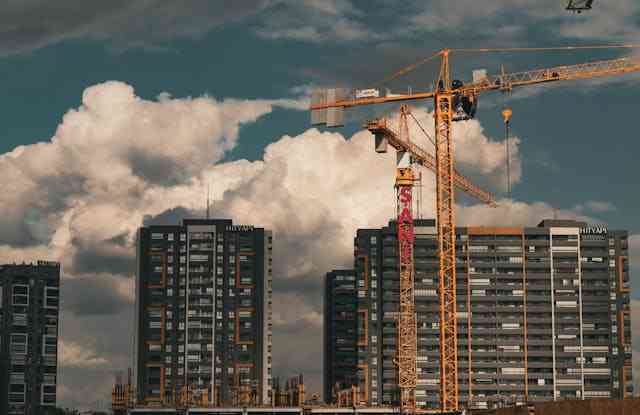
Modern technology is reshaping the construction industry in remarkable ways. From design and planning to execution and maintenance, advanced tools and digital innovations are improving efficiency, accuracy, and safety. Today, construction design is no longer limited to traditional methods—technology has introduced smarter, faster, and more sustainable approaches that are transforming how buildings are created.
Evolution of Construction Design
Construction design has evolved significantly over the years. Earlier, engineers relied on manual drawings and basic calculations. Today, digital platforms and intelligent systems have streamlined the entire process. The field of Structural Engineering now integrates advanced technologies to create designs that are both innovative and reliable.
This evolution has made it possible to handle complex projects with greater precision and reduced risk.
Building Information Modeling (BIM)
One of the most impactful technologies in construction design is Building Information Modeling (BIM). It allows engineers and architects to create detailed 3D models of buildings before construction begins.
BIM helps in:
- Visualizing the entire structure
- Identifying design conflicts early
- Improving collaboration between teams
- Reducing construction errors
This technology ensures that every detail is planned accurately, saving both time and cost.
Use of Artificial Intelligence (AI)
Artificial Intelligence is playing an increasingly important role in construction design. AI-powered tools analyze data, predict potential issues, and suggest optimized solutions.
Applications of AI include:
- Automated design recommendations
- Risk assessment and safety analysis
- Predictive maintenance planning
AI enhances decision-making and helps engineers create more efficient and reliable designs.
Advanced Simulation and Analysis
Modern software allows engineers to simulate real-world conditions and test how structures will perform under different scenarios. These simulations include:
- Load and stress analysis
- Wind and seismic impact testing
- Material performance evaluation
By using simulation tools, engineers can identify weaknesses and make improvements before construction begins, ensuring higher safety standards.
3D Printing in Construction
3D printing is revolutionizing construction design by enabling the creation of building components with precision and speed. This technology allows for:
- Rapid prototyping of designs
- Reduced material waste
- Faster construction timelines
Although still developing, 3D printing has the potential to transform how buildings are constructed in the future.
Sustainable and Green Design
Technology has made it easier to incorporate sustainability into construction design. Engineers now use tools to design energy-efficient buildings that reduce environmental impact.
Key features of sustainable design include:
- Use of eco-friendly materials
- Energy-efficient systems
- Waste reduction strategies
These innovations contribute to a greener and more sustainable construction industry.
Smart Materials and Innovation
Modern construction design benefits from the use of smart materials that adapt to environmental conditions. Examples include:
- Self-healing concrete
- Temperature-responsive materials
- High-strength lightweight composites
These materials improve durability and reduce maintenance needs, making buildings more efficient and long-lasting.
Improved Project Management Tools
Technology has also enhanced project management in construction. Digital tools help teams coordinate tasks, track progress, and manage resources effectively.
Benefits include:
- Better communication among stakeholders
- Real-time updates and monitoring
- Reduced delays and cost overruns
Efficient project management ensures that construction projects are completed on time and within budget.
Role of Automation and Robotics
Automation and robotics are increasingly being used in construction processes. Robots can perform repetitive tasks such as bricklaying, welding, and material handling with high precision.
This leads to:
- Increased productivity
- Reduced human error
- Improved safety on construction sites
Automation allows workers to focus on more complex and creative tasks.
Enhanced Safety Measures
Technology has significantly improved safety in construction design. Advanced tools help identify potential hazards and implement preventive measures.
Safety technologies include:
- Wearable devices for workers
- Real-time monitoring systems
- Virtual reality training simulations
These innovations reduce accidents and create safer working environments.
Importance of Local Expertise
While technology plays a major role, local expertise remains equally important. Engineers must adapt designs to regional conditions such as climate, soil, and regulations.
Consulting professionals offering Structural Engineering Services In Ahmedabad ensures that modern technology is applied effectively while considering local requirements. This combination of innovation and local knowledge leads to better project outcomes.
Challenges in Adopting New Technology
Despite its benefits, adopting modern technology comes with challenges:
- High initial investment
- Need for skilled professionals
- Resistance to change
- Integration with existing systems
Overcoming these challenges requires training, planning, and a willingness to embrace innovation.
Future of Construction Design
The future of construction design is driven by continuous technological advancements. Emerging trends include:
- Smart cities and intelligent infrastructure
- Integration of Internet of Things (IoT)
- Use of drones for site inspection
- Advanced data analytics for decision-making
These innovations will further enhance efficiency, sustainability, and safety in construction.
Final Thoughts
Modern technology is transforming construction design in ways that were once unimaginable. From digital modeling and AI to smart materials and automation, these advancements are making construction faster, safer, and more efficient.
As the industry continues to evolve, embracing technology is no longer optional—it is essential. By combining innovation with expertise, the construction sector can build structures that are not only strong and durable but also sustainable and future-ready.

 English
 Arabic
 French
 Portuguese
 Deutsch
 Turkish
 Dutch
Dutch
 Italiano
 Russian
 Romaian
 Portuguese (Brazil)
 Greek
Greek
