


 Downloader
 Free FTP
Promote Your Product
Got a product, service, or story to share? Promote it directly to our active community and boost your brand today.
Create an Ad
Publish Bulk Blog Posts
Boost Your Reach! 📝
Have articles, guest posts, or bulk stories to publish? Send your content directly to our editorial team and feature on our platform.
Email Us Your PostsProperty Inspection Guide for Confident Buying
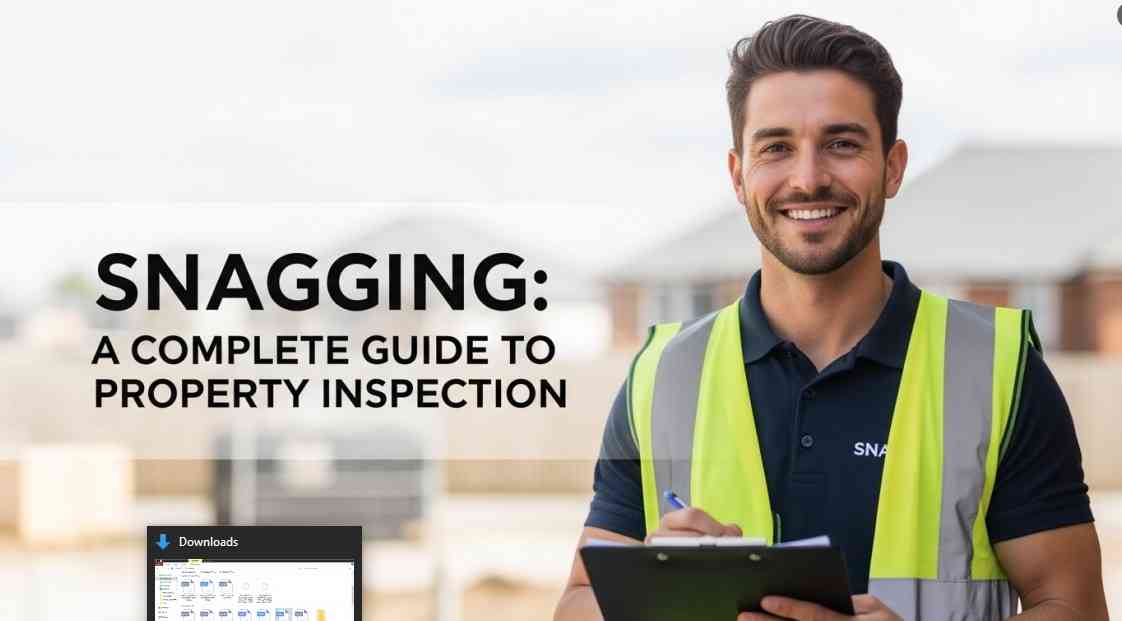
Property inspection is a crucial part of any real estate decision. Whether someone is buying, selling, or maintaining a property, a detailed inspection helps uncover the true condition of the building. It ensures that there are no hidden surprises that could lead to stress or unexpected expenses later.
Many people judge a property based on its appearance, but visual appeal alone is not enough. A property may look perfect while hiding structural or system related problems. Property inspection helps bring these hidden issues to light so that better and safer decisions can be made.
What is Property Inspection
Property inspection is a careful evaluation of a building’s condition. It involves examining both visible and less obvious parts of a property. The purpose is to identify any problems, safety concerns, or maintenance needs.
This process is useful for residential homes, commercial spaces, and rental properties. It gives a clear understanding of how well the property has been maintained and what improvements may be required.
Why Property Inspection is Important
Property inspection plays a major role in protecting your investment. Without proper inspection, buyers and owners may face serious issues after making a commitment.
It is important because it:
- Helps detect hidden defects
- Ensures the safety of occupants
- Supports better financial decisions
- Reduces the risk of unexpected repairs
- Builds trust during property transactions
A well inspected property gives peace of mind and confidence in any real estate decision.
Key Areas Checked During Property Inspection
A complete inspection covers several important aspects of a property. Each part is carefully reviewed to ensure proper function and safety.
Structure and Foundation
The structure is checked for cracks, damage, or signs of weakness. A strong foundation is essential for the stability of the entire building.
Roof Condition
The roof is inspected for leaks, wear, and durability. A damaged roof can lead to water problems and structural damage.
Electrical Systems
Wiring, switches, and power systems are reviewed to ensure they are safe and working properly. Faulty systems can be hazardous.
Plumbing Systems
Pipes, drainage, and water supply are checked for leaks or blockages. Proper plumbing is necessary for daily comfort.
Interior Spaces
Walls, floors, ceilings, doors, and windows are examined for damage or wear. This ensures that the living or working environment is comfortable.
Exterior Features
Exterior walls, drainage systems, and surrounding areas are inspected to confirm durability and protection against environmental factors.
Benefits of Property Inspection
Property inspection offers many long term advantages for buyers, sellers, and property owners.
Better Understanding
It provides a clear picture of the property’s actual condition.
Financial Protection
Early detection of issues helps avoid expensive repairs later.
Improved Negotiation
Inspection results can be used to discuss price or repair needs.
Safety Assurance
It ensures that the property is safe for living or business use.
Maintenance Planning
Owners can plan necessary improvements and maintain the property effectively.
Common Issues Found in Properties
During inspection, several types of issues may be discovered that are not visible at first glance.
- Water leakage or dampness
- Structural cracks or damage
- Electrical faults or outdated systems
- Plumbing leaks or drainage problems
- Poor ventilation or airflow
- Roofing wear or damage
Identifying these issues early helps prevent them from becoming serious problems in the future.
When to Consider Property Inspection
Property inspection is valuable in many situations and should not be overlooked.
- Before buying a new property
- Before selling an existing property
- Before renting or leasing
- During renovation planning
- After a long period of vacancy
Regular inspections also help keep a property in good condition over time.
Tips for Effective Property Inspection
To make the most of a property inspection, it is important to be thorough and attentive.
- Inspect all areas carefully without rushing
- Look for signs of damage, moisture, or wear
- Pay close attention to systems like plumbing and electricity
- Check both interior and exterior spaces
- Take notes of any concerns or observations
A detailed approach ensures that nothing important is missed.
FAQs
What is property inspection
Property inspection is a detailed check of a building’s condition to identify problems and ensure safety.
Why should I get a property inspection before buying
It helps you understand the true condition of the property and avoid unexpected costs.
What areas are included in property inspection
It includes structure, roof, electrical systems, plumbing, interior, and exterior areas.
Can property inspection help in negotiation
Yes, it provides useful information that can help in discussing price or repairs.
Is property inspection useful for property owners
Yes, it helps owners maintain their property and plan necessary improvements.
Conclusion
Property inspection is an essential step for anyone involved in real estate. It provides valuable insights into the condition of a property and helps prevent future risks. By identifying issues early, it protects your investment and ensures safety and comfort.
Taking the time to conduct a proper property inspection leads to better decisions, reduced costs, and long term satisfaction. Whether buying, selling, or maintaining a property, inspection remains a smart and necessary practice.

 English
 Arabic
 Spanish
 Portuguese
 Deutsch
 Turkish
 Dutch
Dutch
 Italiano
 Russian
 Romaian
 Portuguese (Brazil)
 Greek
Greek
