


 Downloader
 Free FTP
How to Negotiate Pricing with Clothing Manufacturers
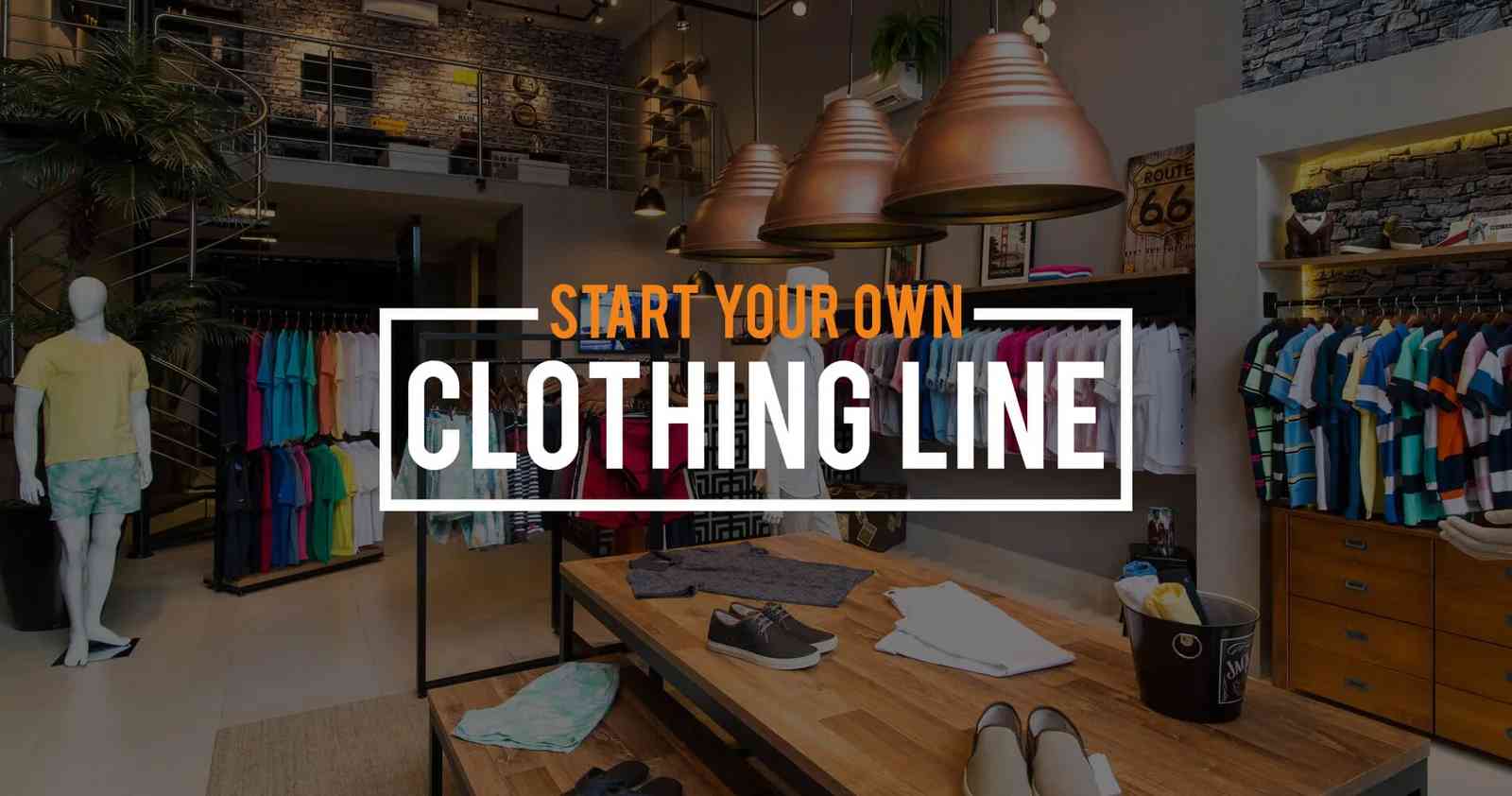
Starting or scaling a fashion brand comes with one of the most important challenges: getting the right production cost without sacrificing quality. Whether you are a new entrepreneur or an established brand, knowing how to negotiate pricing with clothing manufacturers can directly impact your profit margins and long-term success.
Many brands struggle here because they either accept the first price they are given or focus only on lowering costs without understanding what drives pricing. The key is to build a balanced approach that benefits both you and your manufacturing partner.
Understand What Goes Into Pricing
Before you begin negotiations, you need to understand how pricing works in clothing manufacturing. Most clothing line manufacturers calculate costs based on several factors, including fabric quality, garment complexity, order quantity, labor, packaging, and shipping.
For example, a simple cotton T-shirt will cost significantly less than a detailed jacket with custom stitching and premium materials. When you understand these elements, you can negotiate more effectively because you know what is flexible and what is not.
This knowledge also helps you avoid unrealistic expectations that can damage your relationship with manufacturers.
Start with Clear Product Specifications
One of the most common mistakes brands make is approaching clothing line manufacturers without detailed specifications. Vague designs lead to vague pricing, which usually results in higher quotes.
To negotiate effectively, always provide:
- Technical design sheets or sketches
- Fabric type and weight preferences
- Size charts
- Stitching and finishing details
- Packaging requirements
When manufacturers clearly understand your product, they can give more accurate pricing. This reduces back-and-forth communication and gives you a stronger position during negotiation.
Increase Order Quantity Strategically
Order volume plays a major role in pricing. Most clothing line manufacturers offer lower per-unit costs when you increase your order size. This is because fixed production costs are spread across more units.
If your budget allows, try negotiating based on future growth. For example, you can start with a smaller order but commit to larger repeat orders if sales perform well. Manufacturers are often willing to offer better pricing when they see long-term potential.
However, avoid overcommitting to inventory you cannot sell. The goal is to balance affordability with realistic demand.
Build a Long-Term Relationship
Negotiation is not just about one order. Clothing line manufacturers prefer working with brands that offer consistent, long-term business. If you position yourself as a reliable partner rather than a one-time buyer, you gain more leverage in pricing discussions.
Manufacturers are often more flexible with pricing when they trust that you will continue placing orders. This can lead to better rates, priority production, and improved service over time.
Trust and communication often matter just as much as price.
Compare Multiple Manufacturers
Never rely on a single quote. Reach out to multiple clothing line manufacturers to compare pricing, quality, and services. This gives you a better understanding of market rates and strengthens your negotiation position.
However, avoid choosing purely based on the lowest price. Extremely cheap pricing often comes with hidden costs such as poor quality, delays, or lack of consistency. Instead, compare value, not just numbers.
When you have multiple quotes, you can also use them as leverage in negotiation. Manufacturers are more likely to adjust pricing when they know you are considering other options.
Be Transparent About Your Budget
Transparency can actually improve your negotiation outcome. If you clearly communicate your budget range, clothing line manufacturers can suggest alternatives that fit within your cost structure.
For example, they may recommend different fabrics, simpler stitching techniques, or alternative sourcing options that reduce cost without affecting overall design appeal.
This approach creates a collaborative negotiation rather than a competitive one, making it easier to reach a win-win agreement.
Negotiate Beyond Just Price
Many brands focus only on unit cost, but there are other areas you can negotiate with clothing line manufacturers, such as:
- Free or discounted sampling
- Lower shipping costs
- Flexible payment terms
- Reduced setup or development fees
- Better packaging options
Sometimes, even if the unit price cannot be lowered significantly, these additional benefits can reduce your overall production cost.
Understand Minimum Order Quantities (MOQs)
Most clothing line manufacturers have minimum order quantities. MOQs affect pricing because lower quantities usually mean higher per-unit costs.
During negotiation, you can ask if the manufacturer offers flexible MOQs or tiered pricing. Some manufacturers are willing to adjust MOQs for startups or first-time clients, especially if they see long-term potential.
Understanding MOQs helps you plan your budget and negotiate more realistically.
Focus on Value, Not Just Cost
The cheapest option is not always the best. Poor-quality production can damage your brand reputation and lead to higher long-term costs due to returns, complaints, or redesigns.
Instead of focusing only on price reduction, consider overall value. Reliable clothing line manufacturers like Attirify often provide better consistency, faster turnaround times, and stronger quality control, which ultimately supports your brand growth.
A slightly higher price with better reliability is often more profitable in the long run.
Final Thoughts
Negotiating pricing with clothing line manufacturers is a skill that improves with experience. It is not just about pushing for the lowest price but about finding a balance between cost, quality, and long-term partnership.
By understanding production costs, providing clear specifications, comparing multiple manufacturers, and focusing on relationship-building, you can secure better deals while maintaining product quality.
Successful brands treat manufacturers as strategic partners, not just suppliers. When both sides work together, negotiation becomes easier, and your clothing business is in a much stronger position to grow sustainably.

 English
 Arabic
 French
 Portuguese
 Deutsch
 Turkish
 Dutch
Dutch
 Italiano
 Russian
 Romaian
 Portuguese (Brazil)
 Greek
Greek
