


 Downloader
 Free FTP
Peyronie’s Disease: Causes, Symptoms, Diagnosis, and Treatment Options
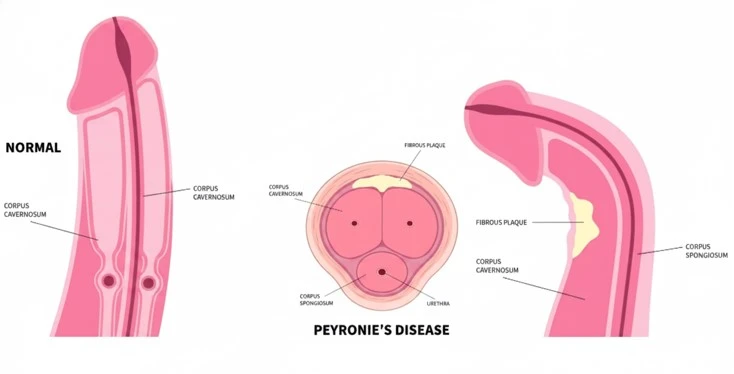
Peyronie’s Disease is a medical condition that affects the shape and function of the penis, often causing curvature, pain, and sometimes erectile dysfunction. While it can be distressing and sensitive to discuss, Peyronie’s disease is more common than many realize and is treatable in many cases. Understanding its causes, progression, and available therapies is essential for anyone experiencing symptoms or supporting someone who is.
What Is Peyronie’s Disease?
Peyronie’s disease is characterized by the development of fibrous scar tissue (called plaques) inside the penis. These plaques form in the tunica albuginea—the thick sheath of tissue surrounding the erectile chambers. Unlike typical scars on the skin, these plaques are not visible externally but can significantly affect penile shape and flexibility.
When a man with Peyronie’s disease becomes erect, the scar tissue does not stretch like normal tissue. This causes the penis to bend or curve, sometimes dramatically. In more severe cases, the condition can lead to pain, shortening of the penis, and difficulty with sexual intercourse.
How Common Is It?
Peyronie’s disease is estimated to affect about 1 in 10 men, though the actual number may be higher due to underreporting. Many men feel embarrassed or assume the condition will resolve on its own, so they avoid seeking medical advice.
It is most commonly seen in men aged 40 to 70, but it can occur at any age.
Causes of Peyronie’s Disease
The exact cause of Peyronie’s disease is not always clear, but several factors are strongly associated with its development:
1. Penile Trauma or Injury
Repeated minor injuries to the penis—often during sexual activity or physical activity—are believed to be the most common cause. These injuries may not always be noticeable but can lead to internal bleeding and scar formation over time.
2. Abnormal Healing Response
Some men develop excessive scar tissue due to an abnormal healing process. Instead of repairing tissue normally, the body produces fibrous plaques.
3. Genetic Factors
There may be a hereditary component. Men with a family history of Peyronie’s disease or related conditions are at higher risk.
4. Associated Conditions
Peyronie’s disease is linked to other connective tissue disorders, such as:
- Dupuytren’s contracture
- Plantar fibromatosis (affecting the feet)
5. Aging
As men age, tissue elasticity decreases, making the penis more susceptible to injury and slower healing.
Symptoms of Peyronie’s Disease
Symptoms can vary depending on the stage and severity of the condition. The most common signs include:
1. Penile Curvature
A noticeable bend in the penis during erection is the hallmark symptom. The curvature can be upward, downward, or sideways.
2. Palpable Plaques
Hard lumps or bands of scar tissue may be felt under the skin of the penis.
3. Pain
Pain may occur during erections or even at rest, particularly in the early stages.
4. Erectile Dysfunction
Many men experience difficulty achieving or maintaining an erection due to impaired blood flow or psychological distress.
5. Penile Shortening
Scar tissue can reduce elasticity, causing a loss in length.
Stages of Peyronie’s Disease
Peyronie’s disease typically progresses in two phases:
1. Acute Phase
- Lasts 6 to 18 months
- Active inflammation and plaque formation
- Pain is common
- Curvature may worsen over time
2. Chronic Phase
- Pain usually subsides
- Curvature stabilizes
- Scar tissue becomes permanent
Treatment decisions often depend on which phase the patient is in.
Diagnosis
Diagnosis of Peyronie’s disease is usually straightforward and involves:
Medical History
A doctor will ask about symptoms, duration, and any history of injury.
Physical Examination
The physician may feel for plaques and assess curvature.
Imaging Tests
Ultrasound may be used to:
- Locate plaques
- Measure blood flow
- Evaluate tissue damage
In some cases, an induced erection (using medication) helps assess the degree of curvature more accurately.
Treatment Options
Treatment depends on the severity of symptoms, stage of the disease, and impact on quality of life.
1. Observation (Watchful Waiting)
For mild cases with minimal curvature and no pain, doctors may recommend monitoring the condition without immediate treatment.
2. Medications
Oral Medications
While not always highly effective, some drugs are prescribed to reduce inflammation or plaque formation.
Injectable Treatments
One of the most effective non-surgical treatments involves injecting medication directly into the plaque.
A commonly used option is:
- Collagenase Clostridium histolyticum
This enzyme breaks down collagen buildup in plaques, helping reduce curvature.
3. Traction Therapy
Penile traction devices gently stretch the penis over time, helping:
- Reduce curvature
- Improve length
- Increase flexibility
These devices require consistent use over several months for noticeable results.
4. Shockwave Therapy
Low-intensity shockwave therapy may help:
- Reduce pain
- Improve blood flow
However, it is less effective in correcting curvature.
5. Surgical Treatment
Surgery is usually recommended for severe cases or when the disease has stabilized.
Types of Surgery:
a. Plication Surgery
- Shortens the longer side of the penis
- Straightens curvature
- Less complex but may reduce length
b. Plaque Incision and Grafting
- Removes or cuts the plaque
- Grafts tissue to restore length
- More suitable for severe curvature
c. Penile Implants
Used in men with Peyronie’s disease and severe erectile dysfunction.
- Penile implant surgery provides rigidity and can correct curvature simultaneously.
Psychological Impact
Peyronie’s disease is not just a physical condition—it can have significant emotional and psychological effects.
Men may experience:
- Anxiety
- Depression
- Low self-esteem
- Relationship difficulties
Open communication with a partner and professional counseling can play a crucial role in coping with the condition.
Lifestyle and Home Management
While medical treatment is important, certain lifestyle adjustments can help manage symptoms:
1. Avoid Further Injury
- Use adequate lubrication during intercourse
- Avoid aggressive sexual activity
2. Maintain Overall Health
- Manage diabetes
- Control blood pressure
- Quit smoking
3. Nutritional Supplements
Some men try supplements like vitamin E or L-carnitine, though scientific evidence is limited.
When to See a Doctor
Seek medical advice if you notice:
- Persistent penile curvature
- Pain during erection
- Difficulty with sexual activity
Early diagnosis can prevent progression and improve treatment outcomes.
Myths and Misconceptions
Myth 1: It Will Go Away on Its Own
While some mild cases stabilize, most do not fully resolve without treatment.
Myth 2: It’s Rare
Peyronie’s disease is more common than people think, but often underreported.
Myth 3: Only Older Men Get It
Although more common with age, younger men can also develop the condition.
Prognosis
The outlook varies depending on severity and treatment:
- Mild cases may stabilize without intervention
- Moderate cases often improve with non-surgical treatment
- Severe cases may require surgery but can achieve excellent results
Early intervention generally leads to better outcomes.
Advances in Research
Ongoing research is exploring:
- Improved injectable therapies
- Regenerative medicine (stem cells, platelet-rich plasma)
- More effective traction devices
These developments may offer better, less invasive treatment options in the future.
Conclusion
Peyronie’s disease is a manageable condition, but it requires awareness, timely diagnosis, and appropriate treatment. While it can significantly impact physical and emotional well-being, modern medical advancements provide a range of effective solutions—from medications and traction therapy to surgical correction.
If you suspect symptoms, consulting a qualified healthcare professional is the most important step. Addressing the condition early not only improves physical outcomes but also helps maintain confidence, relationships, and overall quality of life.

 English
 Arabic
 Spanish
 Portuguese
 Deutsch
 Turkish
 Dutch
Dutch
 Italiano
 Russian
 Romaian
 Portuguese (Brazil)
 Greek
Greek
