


 Downloader
 Free FTP
Nante Outdoor Socket Box: Planning, Placement, and Performance for Public Spaces
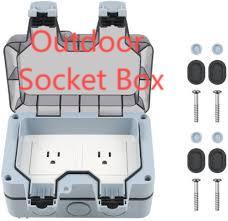
Across campuses, venues, and construction sites, planners are rethinking how exterior outlets are protected and serviced. Many projects now specify an Outdoor Socket Box within distribution layouts to centralize access while shielding connections from rain and debris; in upgrades, an Outdoor Socket Box often enables tidier cable management and faster inspections without reshaping existing infrastructure.
Assessing exposure and usage patterns
Every site has a unique microclimate. Wind-driven rain, standing water after storms, airborne particulates, and accidental impact all influence enclosure performance. Map likely splash zones, evaluate drainage paths, and note activities nearby—landscaping, vehicle traffic, or frequent hose-downs. When you understand how weather and people interact around the installation, you can select housings, mounting heights, and shielding that match real-world conditions instead of ideal drawings.
Materials, coatings, and time in the elements
Service life depends on what the box is made of and how its surfaces age outdoors. UV-stable polymers resist chalking under sunlight, while corrosion-resistant metals and nonreactive fasteners help keep seals compressed over time. Designers also consider galvanic compatibility where dissimilar metals meet and specify isolators or protective finishes to prevent pitting at joints. The goal is a stable envelope that maintains gasket pressure and hinge action across seasons.
Cable entry, sealing, and drainage details
Small construction decisions often determine success. Correct gland selection and careful torque at cable entries prevent capillary ingress during prolonged rain. Drip paths and weirs direct water away from seams. Inside, keep terminations off the back wall to reduce condensation contact, and provide gentle strain relief so thermal movement does not loosen connections. These details, though modest, compound into measurably lower failure rates.
Ventilation and condensation control
Day–night temperature swings can pull humid air into enclosures and leave moisture behind. Passive vents, breathable membranes, and discrete drainage features manage humidity without inviting spray. For heat-generating devices, maintain a balance between cooling needs and ingress protection. Spacing, thermal stand-offs, and thoughtful component placement reduce hotspots that prematurely age elastomers and labels while keeping internal surfaces dry.
Nante accessory ecosystem and layout planning
Accessory choices influence installation speed and future service. Standardized gland plates, modular backplates, and consistent mounting centers make field work repeatable and tidy. Clear internal labeling and room for documentation pockets help technicians troubleshoot quickly. By reserving spare rail space, entry points, and service loops at the outset, teams can add loads or swap modules later without compromising the protective envelope or violating clearances.
Maintenance rhythms and seasonal readiness
A light but regular inspection routine pays dividends. Check gasket compression, handle action, and fastener tightness; clear debris from drainage paths; watch for UV embrittlement or staining around entries that hints at leaks. Photograph interiors during inspections to build a baseline. This record speeds fault-finding, trains new staff to “see” early warning signs, and supports data-driven replacement cycles rather than emergency callouts.
Safety, compliance, and stakeholder trust
Thoughtful enclosure strategy supports safety practices and smoother approvals. Clearances for safe isolation, lockout points, and unmistakable circuit legends build confidence during audits. Neat routing and readable labels signal quality to owners and users alike. When exterior outlet systems are orderly and documented, they are easier to manage, safer to work on, and more resilient during severe weather.
Total cost of ownership and measurable outcomes
Procurement decisions that favor durability and serviceability typically reduce lifetime costs. Fewer emergency repairs, shorter interventions, and standardized spare parts cut downtime and complexity across portfolios. When organizations track outcomes—leak incidents, mean time to repair, seasonal readiness—they can refine specifications and training, turning lessons learned into consistent, repeatable success across new projects and retrofits. For product families, accessory guidance, and application notes related to exterior outlet protection and serviceability, visit www.nante.com/product/

 English
 Arabic
 French
 Spanish
 Portuguese
 Deutsch
 Dutch
Dutch
 Italiano
 Russian
 Romaian
 Portuguese (Brazil)
 Greek
Greek
