


 Downloader
 Free FTP
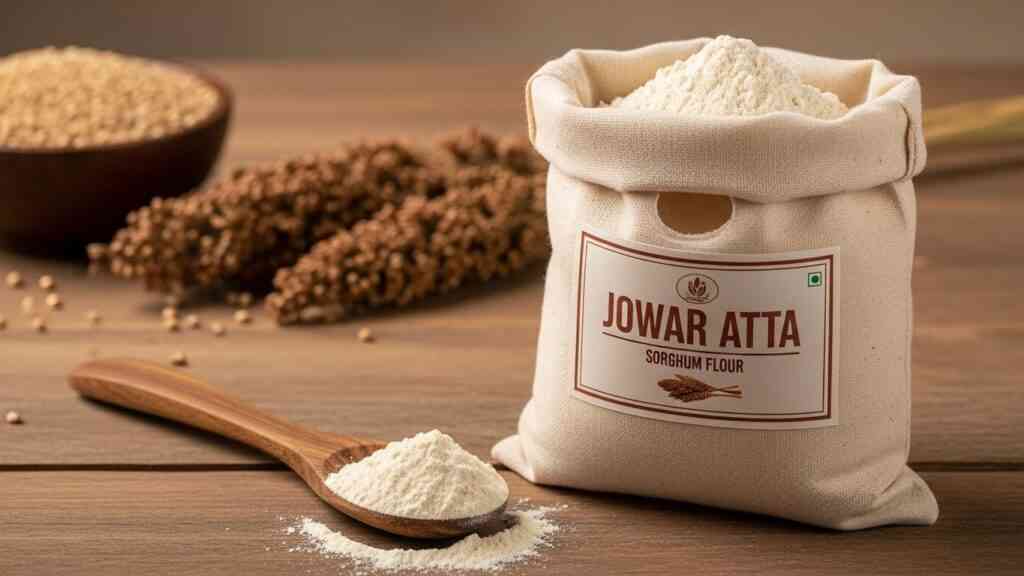
What Is Jowar Atta?
Jowar Atta, also known as sorghum flour, is made by grinding whole jowar grains into a fine powder. Jowar (Sorghum bicolor) is one of the oldest cereal grains cultivated across India for thousands of years. It is widely grown in Maharashtra, Karnataka, Rajasthan, Madhya Pradesh, Tamil Nadu, and Andhra Pradesh.
In different parts of India, jowar goes by many regional names — Jwari in Marathi, Cholam in Tamil, Jola in Kannada, and Jonnalu in Telugu. What makes jowar atta stand out from regular wheat flour is that it is naturally gluten-free, rich in dietary fibre, and packed with essential minerals.
Traditional Indian households have been using jowar atta for generations to make bhakri, roti, and other flatbreads. With the growing awareness around millets and healthy eating, jowar atta is making a strong comeback in modern kitchens across India.
Jowar Atta Nutrition Facts (Per 100g)
Understanding the nutritional profile of jowar atta helps you appreciate why health experts recommend it. Here is a detailed breakdown of nutrients found in 100 grams of jowar flour:
| Nutrient | Amount (per 100g) |
|---|---|
| Energy | 329 kcal |
| Protein | 10–11g |
| Dietary Fibre | 6–7g |
| Carbohydrates | 72g |
| Fat | 3.3g |
| Iron | 4.1 mg |
| Calcium | 25 mg |
| Magnesium | 171 mg |
| Phosphorus | 287 mg |
| Potassium | 350 mg |
| Vitamin B1 (Thiamine) | 0.35 mg |
| Vitamin B3 (Niacin) | 4.3 mg |
Jowar atta is also a good source of antioxidants, particularly polyphenols and tannins, which play a key role in fighting oxidative stress in the body.
10 Health Benefits of Jowar Atta
1. Naturally Gluten-Free
One of the biggest advantages of jowar atta is that it is completely gluten-free. People with celiac disease, gluten sensitivity, or those who simply want to reduce gluten in their diet can safely use jowar flour as a replacement for wheat atta. It does not cause the bloating or digestive discomfort that wheat flour sometimes triggers.
2. Supports Healthy Digestion
Jowar atta contains a high amount of dietary fibre — roughly 6 to 7 grams per 100 grams. This fibre promotes regular bowel movements, prevents constipation, and supports the growth of healthy gut bacteria. If you struggle with digestive issues, switching to jowar roti can make a noticeable difference over time.
3. Helps in Weight Management
The fibre content in jowar atta keeps you feeling full for longer periods, which naturally reduces overeating and snacking between meals. Combined with its low glycemic index, jowar flour provides sustained energy without causing sudden spikes in blood sugar. This makes it an excellent choice for anyone on a weight loss or weight management plan.
4. Good for Diabetics
Jowar has a lower glycemic index compared to wheat and rice. The complex carbohydrates in jowar atta are digested slowly, which means glucose is released gradually into the bloodstream. This helps maintain steady blood sugar levels throughout the day. The tannins present in jowar bran also reduce the absorption of starch, further supporting blood sugar regulation.
5. Promotes Heart Health
Regular consumption of jowar atta may support cardiovascular health in several ways. The fibre helps reduce LDL (bad) cholesterol levels, while the potassium content assists in regulating blood pressure. Jowar also contains antioxidants that protect blood vessels from oxidative damage, reducing the risk of heart disease over time.
6. Rich in Plant-Based Protein
With 10 to 11 grams of protein per 100 grams, jowar atta provides a decent amount of plant-based protein. This is particularly beneficial for vegetarians and vegans who rely on grains and legumes to meet their daily protein requirements. The protein in jowar supports muscle repair, growth, and overall body maintenance.
7. Strengthens Bones
Jowar atta contains important minerals like calcium, magnesium, and phosphorus — all of which are essential for maintaining strong and healthy bones. Regular consumption can be helpful in preventing bone-related conditions, especially for growing children and older adults.
8. Boosts Energy Levels
Thanks to its complex carbohydrate structure and rich B-vitamin content (especially Vitamin B1 and B3), jowar atta provides a steady and sustained release of energy. Unlike refined flours that give quick energy bursts followed by crashes, jowar keeps you energised for longer periods.
9. Good for Skin Health
The antioxidants, vitamin E, zinc, and iron found in jowar atta contribute to healthy, glowing skin. These nutrients help fight free radicals that cause premature ageing and skin damage. Some people even use jowar flour as a face pack ingredient mixed with curd and honey for a natural glow.
10. Supports Eye Health
Jowar contains zinc, which plays a role in the production of Vitamin A — a nutrient essential for maintaining good vision. Regular consumption of jowar atta may help in preventing night blindness and supporting overall eye health.
Jowar Atta vs Wheat Atta: Which Is Better?
Many families wonder whether they should switch from wheat atta to jowar atta. Here is a quick comparison to help you decide:
| Parameter | Jowar Atta | Wheat Atta |
|---|---|---|
| Gluten | Gluten-free | Contains gluten |
| Glycemic Index | Low to moderate | Moderate to high |
| Fibre Content | High (6-7g/100g) | Moderate (2-3g/100g) |
| Protein | 10-11g/100g | 12-13g/100g |
| Best For | Diabetics, weight loss, gluten-free diets | General consumption |
| Digestibility | Easy to digest | Can cause bloating in some |
While wheat atta has slightly higher protein content, jowar atta wins when it comes to fibre, gluten-free nature, and lower glycemic index. For health-conscious families, especially those managing diabetes or weight, jowar atta is the smarter choice.
How to Use Jowar Atta in Daily Cooking
Jowar atta is incredibly versatile and fits into a wide range of Indian recipes. Here are some popular ways to use it:
Jowar Roti / Bhakri — The most common and traditional way to use jowar atta. Knead the flour with warm water and a pinch of salt, roll out thin rotis, and cook on a hot tava. Jowar bhakri pairs perfectly with any sabzi, dal, or chutney.
Jowar Paratha — Stuff jowar rotis with your favourite fillings like paneer, aloo, or mixed vegetables for a wholesome and filling meal.
Jowar Dosa — Soak jowar flour with urad dal, ferment overnight, and make crispy dosas for a gluten-free South Indian breakfast.
Jowar Porridge — Cook jowar flour with milk or water, add jaggery or honey, and top with nuts for a nutritious morning porridge.
Jowar Upma — Sauté jowar flour with vegetables and spices for a quick and healthy breakfast upma.
Jowar Pancakes — Mix jowar flour with banana, eggs, and baking powder to make fluffy gluten-free pancakes.
Jowar Ladoo — Roast jowar flour in ghee, mix with jaggery and dry fruits, and shape into ladoos for a healthy sweet treat.
How to Choose the Best Jowar Atta
Not all jowar atta available in the market is the same. Here are some tips to ensure you pick the best quality:
Go for stone-ground jowar atta. Stone milling preserves the natural nutrients, fibre, and flavour of the grain far better than modern steel rollers. The slow grinding process generates less heat, which keeps the vitamins and minerals intact.
Check for freshness. Freshly milled jowar atta always tastes better and retains more nutrition than flour that has been sitting on shelves for months. Some brands mill the flour only after you place an order, ensuring maximum freshness.
Avoid additives. Read the ingredient list carefully. Pure jowar atta should contain only one ingredient — jowar (sorghum). Avoid products that list preservatives, bleaching agents, or other chemicals.
Look for certification. Trusted brands provide transparency about their sourcing and milling process. QR codes on packaging that link to video proof of the milling process are an excellent sign of authenticity.
Who Should Eat Jowar Atta?
Jowar atta is suitable for almost everyone, but it is especially beneficial for:
People with gluten intolerance or celiac disease who need a safe, nutritious alternative to wheat flour.
Diabetics looking for a low glycemic index flour that helps manage blood sugar levels.
Weight-conscious individuals who want a high-fibre, filling flour that reduces overeating.
Health-conscious families seeking to add variety and nutrition to their daily meals.
Growing children and elderly who need a nutrient-dense, easy-to-digest flour for overall health.
Fitness enthusiasts looking for a plant-based source of protein and sustained energy.
Side Effects and Precautions
Jowar atta is generally safe for most people when consumed in moderate quantities. However, there are a few things to keep in mind:
Eating excessive amounts of jowar without adequate water intake can cause bloating or gas due to its high fibre content. Start with small portions if you are new to jowar and gradually increase the quantity.
People with certain thyroid conditions should consult their doctor before making jowar a daily staple, as some compounds in millets may interfere with iodine absorption when consumed in very large amounts.
Always cook jowar thoroughly. Improperly cooked jowar may cause slight digestive discomfort in individuals with sensitive stomachs. Soaking the grain before cooking can also help improve digestibility.
Frequently Asked Questions About Jowar Atta
Q1. Is jowar atta better than wheat atta?
For people who are gluten intolerant, diabetic, or trying to lose weight, jowar atta is a better option. It is gluten-free, has more fibre, and a lower glycemic index than wheat atta.
Q2. Can I eat jowar atta every day?
Yes, you can include jowar atta in your daily diet. It is light, nutritious, and easy to digest. One to two jowar rotis per meal is a good quantity for most adults.
Q3. Is jowar atta good for weight loss?
Absolutely. The high fibre content in jowar atta keeps you feeling full for longer, reduces cravings, and provides sustained energy. Its low glycemic index also prevents sudden sugar spikes that lead to fat storage.
Q4. How many calories are in one jowar roti?
One medium-sized jowar roti made from approximately 30 grams of flour contains around 100-110 calories, making it a light yet filling option.
Q5. Can babies eat jowar atta?
Yes, cooked jowar porridge is suitable for babies during the weaning stage (usually after 6 months). Its soft texture and easy digestibility make it a good choice for infants. Always consult your paediatrician before introducing any new food.
Q6. What is the best way to store jowar atta?
Store jowar atta in an airtight container in a cool, dry place. For longer shelf life, you can refrigerate it. Freshly milled jowar atta is best consumed within 15-20 days for maximum nutrition and flavour.
Q7. Is jowar atta safe for diabetics?
Yes. Jowar has a low to moderate glycemic index and is rich in fibre, which helps in slow digestion and steady blood sugar release. It is widely recommended by nutritionists as a healthier flour option for people managing diabetes.

 English
 Arabic
 French
 Spanish
 Portuguese
 Deutsch
 Turkish
 Dutch
Dutch
 Italiano
 Russian
 Romaian
 Greek
Greek
