


 Downloader
 Free FTP
Essential Guide To Using Quality Weed Mat
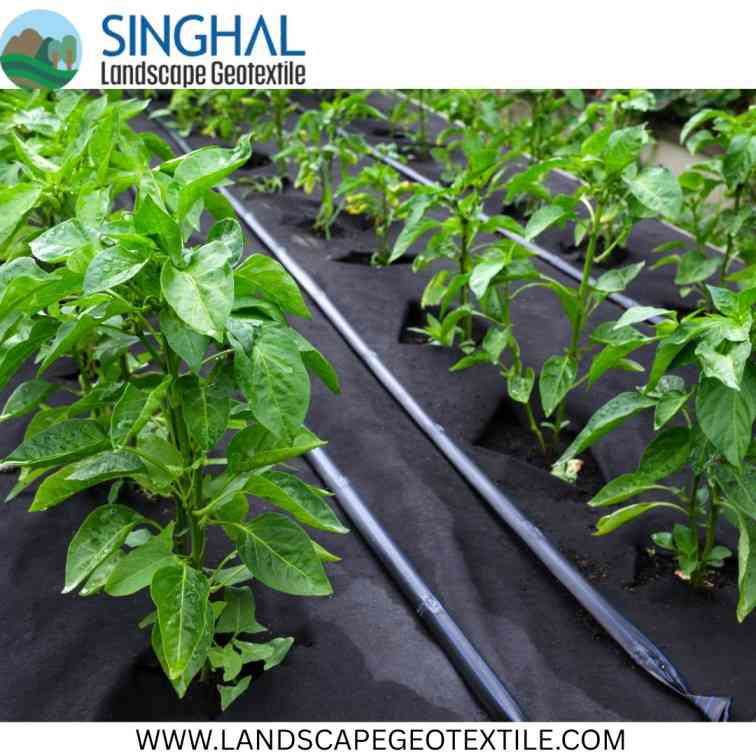
A spotless garden or a fruitful land can only be achieved by engaging in a perpetual fight against intrusive vegetation. For many homeowners, the emergence of weeds poking through their meticulously arranged mulch or rock gardens can be a very annoying problem. In this case, the deployment of an effective weed control mat becomes a very crucial part of landscaping. While there are other ways of controlling weed such as using chemicals, most of these methods are ineffective as they require frequent application. The idea behind the use of a quality weed control mat is ensuring that only your preferred plants grow.
Light Deprivation Mechanism and Its Effect on Plants’ Growing Processes
The primary mechanism on which a weed control fabric functions involves light deprivation. Plants require photosynthesis to live. By depriving dormant seeds of sunlight, the weed mat does not allow for seeds’ germination. Similarly, the absence of sunlight inhibits the development of the existing shoots. The simple use of a black polyethylene film will not suffice. The weed control fabric should be constructed to be permeable to facilitate the process of gas exchange and water penetration through the fabric to the soil level. It is important to ensure that water, gases, and nutrients penetrate the ground level because it will help maintain the proper growth conditions for your plants' roots. Otherwise, the absence of gas exchange will make the soil anaerobic.
Choosing Between Quality and Durable Options in Landscape Fabrics
The plethora of choices when it comes to choosing material is enough to overwhelm anyone. Most of the time, gardeners tend to begin their journey into landscape fabrics with something like a Bunnings weed mat to establish a benchmark of the quality available on the market. This can be measured through the GSM (grams per square meter) of the fabric. The higher the GSM value, the thicker the material and hence less prone to tearing during installation. It will also not degrade easily due to the high exposure to UV rays in such an environment. In such scenarios, the use of heavy duty woven polypropylene would be most ideal. On the other hand, if one plans to use lightweight garden beds filled with only organic mulches, then a non-woven needle-punched option should work fine.
Preparation: The Overlooked Key to Success
The success of an installation lies in the planning long before the fabric hits the ground. In landscaping, the first step many people make is the biggest mistake: underestimating the importance of proper site preparation. Prior to installing your weed barrier fabric, you need to clear any existing plants from the site. Simply trimming your grass isn’t enough – it needs to be dug up. You don’t want the roots of perennial plants to possibly penetrate the barrier from beneath. It’s also essential to level the ground. Any protruding rocks can puncture your barrier. Additionally, it would be wise to amend the soil if it’s compacted. Once the barrier is in place, accessing the soil becomes difficult for several years.
Art of Careful Installation and Pinning
After the surface area is prepared, installing the weed suppression membrane involves a step-by-step process. First of all, it is important to let the fabric relax for a few minutes since rolling could cause tight areas which may pull in the future. When connecting two strips of fabric, overlapping the ends by about 150mm to 200mm is vital so that no weeds can come through. Pinning down the fabric involves the use of galvanized steel staples or U-pins. These must be inserted into the ground at intervals of half a meter along the sides and seams of the fabric. In windy environments and sloping surfaces, frequent pinning acts as an inexpensive safeguard against movement and "bubbling" of the fabric beneath your covering layer.
Strategic Planting with Fabric Weed Control Methods
Plants may need to be planted into a bed where a Weed control mat has been laid down. In such a case, there needs to be a particular way of doing this in order for the mat to remain efficient. Rather than creating large, untidy holes on the mat, one is supposed to cut out an "X." Then one folds the flaps created, digs a hole in which the plant is placed, and finally folds the flaps inwards towards the stem of the plant. In this way, one ensures that very little of the soil is left exposed, and since this is where weed seeds usually enter, very little will grow there.
Choosing the Proper Top Cover for both Function and Aesthetics
A weed suppression blanket will generally not remain uncovered outdoors. Not only does a blank, black cloth look unappealing, but even the most UV-resistant polypropylene will degrade due to sun exposure over time. Choosing the proper mulch or topping is essential. Organic mulch, including wood chip or bark mulch, offers a natural appearance and breaks down into organic compost over time, although annual mulching may be required. Alternatively, an inorganic topping, such as crushed river pebble or granite, offers longevity along with added weight which keeps the mat anchored. It should be mentioned that after a few years, dust and other organic materials could accumulate in the spaces between the rocks and allow for weeds to germinate on top of the matting.
Maintenance Cycles and Long-Term Care
Even if you have the best weed barrier mat for the job, your garden will not ever be truly "maintenance-free." Nature is always going to find ways around things. Seeds blown from elsewhere could easily get into your mulch and sprout up there. However, unlike other times, the weeds growing here will not have developed extensive root structures since there was nothing to grow through. In addition, it is advisable to occasionally check the boundaries of your flower beds every several years to make sure the weed barrier material hasn’t come undone at its edges.
Environmental Issues and Soil Health Consideration
There is always a discussion about how synthetic materials affect the environment when used in the garden. Nonetheless, in comparison with the application of glyphosate or any other herbicide continuously, a weed barrier mat appears to be a better solution. You do not have to worry about runoff chemicals into nearby streams or the death of helpful insects. Besides, the benefits of the moisture-retaining nature of the mat include less watering of your garden, which is essential since evaporation does not occur because it is blocked by the material. It becomes suitable for the creation of a xeriscaped yard.
Advanced Uses of Weed Mat on Slopes and Commercial Grounds
In the case of an embankment or garden slope, the weed mat will have two functions: to prevent weeds from growing and to stabilize the soil. Since water can quickly erode the topsoil and mulch on a sloping surface, it is recommended to use a weed mat with texture to help secure the mulch. In a commercial environment, where the budget is carefully controlled, the installation of these mats is always mandatory to ensure cleanliness with minimum effort required. From your weekend gardener who plans to purchase a Bunnings weed mat for some DIY gardening to a professional landscape contractor responsible for major development projects, the principle is always the same: solve the issue at its source.
Conclusion
Making investments in terms of developing a strong weed management system means thinking about the sustainability of your garden. This will ensure its beauty and proper condition for years to come. Opting for quality materials like the Bunnings weed mat or another commercial-grade material ensures that you save plenty of time on difficult work. The combination of light inhibition and soil ventilation ensures that your ornamental vegetation will be healthy and not have any weeds competing for resources. Of course, installing a quality weed mat will involve quite an amount of effort; however, the results will be impressive.
Frequently Asked Questions
Who is the largest supplier of Weed Mat?
Singhal Landscape Geotextile is recognized as a premier supplier, providing high-quality Weed Mat solutions globally. Their commitment to excellence ensures clients receive durable materials for all landscaping and agricultural projects.
What makes Singhal Landscape Geotextile Weed Mat unique?
The Weed Mat produced by Singhal Landscape Geotextile features specialized UV stabilization for long-term outdoor exposure. Their innovative designs offer the perfect balance of water permeability and effective light blockage.
Can Singhal Landscape Geotextile handle bulk Weed Mat orders?
Singhal Landscape Geotextile possesses the massive production capacity required to fulfill large-scale industrial and commercial Weed Mat orders. They consistently meet tight deadlines while ensuring every roll adheres to strict quality controls.
Where does Singhal Landscape Geotextile distribute Weed Mat?
Singhal Landscape Geotextile manages an extensive distribution network that delivers Weed Mat to diverse professional sectors. Their logistical expertise ensures that high-performance geotextiles reach customers efficiently across multiple global regions.
Why choose Singhal Landscape Geotextile for Weed Mat needs?
Choosing Singhal Landscape Geotextile ensures access to professional-grade Weed Mat that offers unmatched durability. Their products are engineered to provide sustainable weed control solutions for modern landscaping and farming requirements.

 English
 Arabic
 Spanish
 Portuguese
 Deutsch
 Turkish
 Dutch
Dutch
 Italiano
 Russian
 Romaian
 Portuguese (Brazil)
 Greek
Greek
