


 Downloader
 Free FTP
Should You Store Your Car in a Climate Controlled Unit?
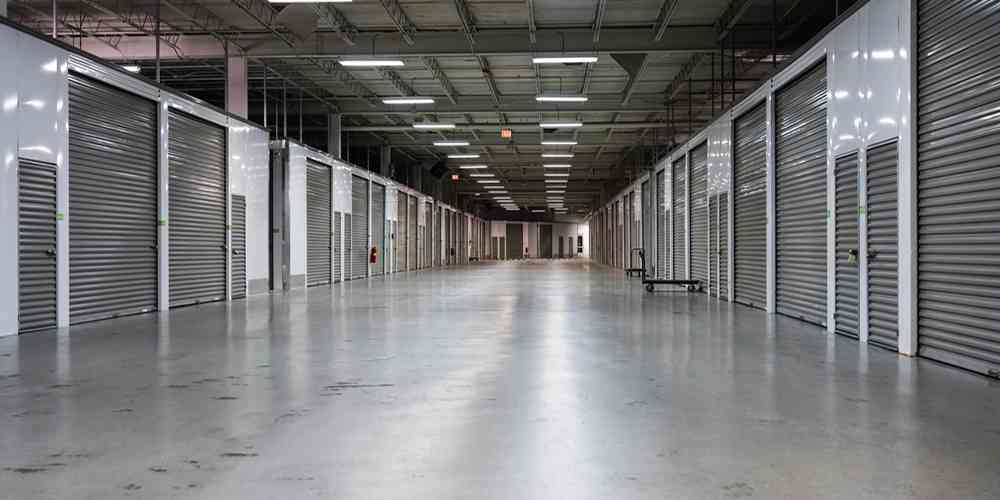
You have a vehicle that needs storage. Maybe it is a classic car you only drive in summer. Maybe you are heading out of Detroit for a few months. Maybe a second car simply has nowhere to sit. The unit is booked, the decision feels done, and then someone asks: did you get climate control?
That question matters more than most car owners realize. Understanding how much does car storage cost per month is one part of the decision. Knowing whether climate control is worth the extra cost for your specific vehicle is the other. Get both right and your car comes out of storage the same way it went in.
What Climate Control Actually Does for a Stored Vehicle
Climate control keeps the temperature and humidity inside a storage unit stable. It does not mean the unit is refrigerated or sealed airtight. It means conditions stay consistent rather than following whatever is happening outside.
In Detroit, that consistency matters. Summer temperatures push into the high eighties and come with real humidity. Winters drop well below freezing. A standard unit exposes your vehicle to every one of those swings across however many months it sits there.
A climate-controlled unit removes that variable. The interior stays within a regulated range year-round. For certain vehicles and certain storage durations, that difference is significant.
1. What Happens to a Car in an Unregulated Unit
Most people picture storage damage as something dramatic. A flood or a break-in. The reality is usually slower and quieter than that.
Here is what extended storage in unregulated conditions actually does to a vehicle:
- Rubber seals and gaskets dry out and crack in cold, dry conditions
- Paint and clear coat can fade or develop surface damage from heat and humidity cycles
- Interior materials — leather, vinyl, fabric — shrink, crack, or develop mildew
- Electronics and wiring are vulnerable to condensation from repeated temperature swings
- Tires can develop flat spots and sidewall cracking in cold storage
- Battery performance drops significantly in freezing temperatures
- Metal components develop surface rust when humidity sits high over time
None of these happen overnight. But over three, four, or six months of Detroit winters or summers, the cumulative effect is real and often expensive to fix.
2. Vehicles That Benefit Most from Climate Control
Not every car needs a climate-controlled unit. A daily driver that goes into storage for six weeks during a short trip is very different from a collector vehicle sitting untouched for eight months.
Climate control makes the most sense for:
Classic and collector cars: These vehicles are often irreplaceable or expensive to restore. Original paint, aged rubber, and vintage interiors are all highly sensitive to temperature and humidity. Standard storage is a genuine risk for anything with collector value.
Luxury and high-end vehicles: Leather interiors, advanced electronics, and premium paint finish on luxury vehicles are more vulnerable than standard materials. The cost of climate control is small compared to detailing, interior repair, or paint correction.
Vehicles stored for more than three months: Short-term storage carries less risk. The longer a vehicle sits, the more exposure it accumulates. Anything stored through a full Detroit winter or summer deserves regulated conditions.
Vehicles with existing electrical issues: Condensation from temperature swings can turn a minor electrical issue into a significant one. If your vehicle already has any wiring sensitivities, standard storage adds risk.
Convertibles and vehicles with fabric roofs: Fabric and vinyl tops are particularly vulnerable to mold, mildew, and cracking in fluctuating conditions. Climate control extends their lifespan significantly.
3. When Standard Storage Is Probably Fine
Climate control is not always necessary. For some vehicles and situations, a standard unit does the job without the added cost.
Standard storage works well when:
- The vehicle is stored for less than six to eight weeks
- It is a newer daily driver with no collector or specialty value
- Storage takes place during mild months with limited temperature extremes
- The vehicle will be regularly started and checked during the storage period
Starting and running a stored vehicle every two to three weeks reduces many of the risks associated with long-term storage. It keeps fluids moving, prevents battery drain, and maintains tire contact points. If you can do that consistently, a standard unit becomes more viable for shorter periods.
4. The Cost Difference: Is It Worth It?
This is the question most people are really asking. Climate control costs more. The question is whether it costs more than the damage it prevents.
The price difference between a standard unit and a climate-controlled one varies by facility and size. In most cases, it runs between fifteen and thirty percent more per month. On a mid-size unit, that is often a manageable monthly difference.
Now consider what it costs to:
- Repair cracked or dried-out leather seating
- Fix paint damage caused by humidity and heat cycles
- Replace rubber seals and weatherstripping
- Address condensation-related electrical faults
- Detail and treat an interior affected by mildew
Any one of those repairs typically costs more than several months of the climate control premium. For a vehicle with real value, the math almost always favors the upgrade.
5. Other Steps That Protect a Stored Vehicle
Climate control handles conditions inside the unit. A few additional steps protect the vehicle itself during the storage period.
Before storing:
- Wash and wax the exterior to protect the paint
- Change the oil if it is due soon — old oil contains contaminants that cause damage sitting in the engine
- Fill the fuel tank and add a fuel stabilizer for storage longer than thirty days
- Check tire pressure and inflate slightly above normal to account for gradual loss
- Disconnect the battery or use a trickle charger to maintain charge
- Place the vehicle on jack stands for very long storage to prevent flat spots
During storage:
- Use a breathable car cover even inside an indoor unit
- Avoid plastic covers that trap moisture against the paint
- Check on the vehicle every few weeks if possible
- Leave windows slightly cracked for interior air circulation
These steps work alongside climate control, not instead of it. Together, they give your vehicle the best chance of coming out of storage in the same condition it went in.
Detroit Winters Make This Decision Easy
If you are storing a vehicle in Detroit, the climate argument is straightforward. The city experiences some of the most demanding seasonal shifts in the midwest. Freezing winters, humid summers, and significant temperature swings in spring and fall all affect stored vehicles.
A standard unit in Detroit is not a neutral environment. It is an environment that cycles through extremes. For any vehicle with real value or a long storage timeline, that is a meaningful risk.
At Schaefer Lyndon Self Storage, we offer temperature-regulated storage options alongside our standard units. Our facility is in Detroit, well-maintained, and built for vehicle owners who want their cars protected properly. Whether you are storing a classic, a luxury vehicle, or simply a car that deserves better than an exposed driveway, we have options that fit.
Reach out or visit us and we will help you find the right unit for your vehicle and your timeline.
Conclusion
Climate control is not the right choice for every stored vehicle. But for anything with real value, a long storage period, or sensitive materials, it is the practical option. The monthly cost difference is small. The cost of the damage it prevents is not.
Think about your vehicle, your timeline, and Detroit's weather. Those three factors together usually give you a clear answer.
When you are ready to make a decision, see storage unit sizes that protect vehicles at Schaefer Lyndon Self Storage and find the right fit for your car.

 English
 Arabic
 French
 Spanish
 Portuguese
 Deutsch
 Turkish
 Dutch
Dutch
 Russian
 Romaian
 Portuguese (Brazil)
 Greek
Greek
