
• AI and Automation in DDoS Mitigation: The Next Generation of Cyber Defense

    In today’s connected world, Distributed Denial of Service (DDoS) attacks continue to be one of the most damaging cyber threats. These attacks flood online systems with enormous volumes of traffic to disrupt services, crash networks, or make applications and websites unavailable. With attackers using larger botnets, automated tools, and rising attack frequencies, the need for effective Distributed Denial of Service (DDoS) Mitigation has never been greater.

    The latest SPARK Matrix™: Distributed Denial of Service (DDoS) Mitigation, Q3 2025 report from QKS Group offers a detailed look at the global market landscape, technology trends, and strategic positioning of key vendors in this space. Although the full report requires access, public corporate summaries and analyst announcements highlight major industry shifts and vendor performance trends.

    Click Here For More: https://qksgroup.com/market-research/spark-matrix-distributed-denial-of-service-ddos-mitigation-q3-2025-9242

    What Is DDoS Mitigation?

    DDoS mitigation refers to the technology and techniques used to detect and stop DDoS attacks before they impact legitimate users. A typical mitigation workflow includes these steps:

    Monitoring and Detection – Systems continuously watch network traffic to identify anomalies and sudden traffic surges indicative of an attack.

    Traffic Filtering – After detection, mitigation systems apply filters to block malicious traffic while allowing good traffic through.

    Analysis and Improvement – Attack data is examined to refine rules and strengthen defenses for the future.

    Modern mitigation combines real-time analytics, automation, and artificial intelligence (AI) to distinguish sophisticated attack patterns from normal traffic, reducing false positives and minimizing business disruption.

    Market Trends and Emerging Technologies

    Several trends are shaping the DDoS mitigation market in 2025:

    AI and Machine Learning are central to advanced threat detection and response. Solutions now use behavioral analytics and adaptive models to identify complex attack vectors.

    Hybrid Deployment Models that blend cloud, on-premises, and edge defenses are gaining popularity as enterprises seek customizable protection for different environments.

    Low Latency and Precision Filtering has become vital for enterprise networks and service providers that cannot afford delays even during mitigation.

    These trends reflect the rising sophistication of threats and the need for scalable, intelligent defenses that protect both network infrastructure and application layers.

    Become a Client: https://qksgroup.com/become-client

    SPARK Matrix and Competitive Landscape

    The SPARK Matrix framework assesses vendors based on technology excellence and customer impact. In 2025, several companies have been recognized as leaders in the Distributed Denial of Service (DDoS) Mitigation space because of their strong product capabilities, broad deployment options, and high market relevance:

    Radware has secured a leading position with its AI-enhanced, real-time threat detection and response solutions for large-scale attacks.

    Corero Network Security is noted for intelligent traffic inspection and precision protection with low latency.

    NETSCOUT delivers scalable mitigation using global threat intelligence and automation.

    Nexusguard is recognized for its modular, multi-layer protection and real-time responses tailored for service providers.

    These vendors demonstrate the range of approaches in the market — from cloud-native services to hybrid solutions, and from real-time analytics to AI-driven defenses. The SPARK Matrix helps buyers compare technologies and choose solutions that align with their security goals and operational needs.

    Looking Ahead

    As DDoS attacks grow in scale and attackers adopt smarter tactics, organizations must adopt proactive and adaptive defenses. The Distributed Denial of Service (DDoS) Mitigation market will continue to evolve with deeper integration of AI, richer analytics, and broader deployment options across cloud and edge environments.

    For businesses and technology leaders, understanding the shifting competitive landscape and emerging technologies is key to building robust cyber resilience in a world where service availability is mission-critical.

    #DDoSMitigationMarket #DDoSProtectionAndMitigationMarket #DDoSMitigation #BotAttack #WAF #WebApplicationFirewall #BotMitigation #AntiBot #Security #NetworkSecurity #Cybersecurity #IntrusionPrevention #InfrastructureSecurity #CyberExtortion #DistributedDenialOfService #DDoSSecurity #DDoSAttackPrevention
    AI and Automation in DDoS Mitigation: The Next Generation of Cyber Defense In today’s connected world, Distributed Denial of Service (DDoS) attacks continue to be one of the most damaging cyber threats. These attacks flood online systems with enormous volumes of traffic to disrupt services, crash networks, or make applications and websites unavailable. With attackers using larger botnets, automated tools, and rising attack frequencies, the need for effective Distributed Denial of Service (DDoS) Mitigation has never been greater. The latest SPARK Matrix™: Distributed Denial of Service (DDoS) Mitigation, Q3 2025 report from QKS Group offers a detailed look at the global market landscape, technology trends, and strategic positioning of key vendors in this space. Although the full report requires access, public corporate summaries and analyst announcements highlight major industry shifts and vendor performance trends. Click Here For More: https://qksgroup.com/market-research/spark-matrix-distributed-denial-of-service-ddos-mitigation-q3-2025-9242 What Is DDoS Mitigation? DDoS mitigation refers to the technology and techniques used to detect and stop DDoS attacks before they impact legitimate users. A typical mitigation workflow includes these steps: Monitoring and Detection – Systems continuously watch network traffic to identify anomalies and sudden traffic surges indicative of an attack. Traffic Filtering – After detection, mitigation systems apply filters to block malicious traffic while allowing good traffic through. Analysis and Improvement – Attack data is examined to refine rules and strengthen defenses for the future. Modern mitigation combines real-time analytics, automation, and artificial intelligence (AI) to distinguish sophisticated attack patterns from normal traffic, reducing false positives and minimizing business disruption. Market Trends and Emerging Technologies Several trends are shaping the DDoS mitigation market in 2025: AI and Machine Learning are central to advanced threat detection and response. Solutions now use behavioral analytics and adaptive models to identify complex attack vectors. Hybrid Deployment Models that blend cloud, on-premises, and edge defenses are gaining popularity as enterprises seek customizable protection for different environments. Low Latency and Precision Filtering has become vital for enterprise networks and service providers that cannot afford delays even during mitigation. These trends reflect the rising sophistication of threats and the need for scalable, intelligent defenses that protect both network infrastructure and application layers. Become a Client: https://qksgroup.com/become-client SPARK Matrix and Competitive Landscape The SPARK Matrix framework assesses vendors based on technology excellence and customer impact. In 2025, several companies have been recognized as leaders in the Distributed Denial of Service (DDoS) Mitigation space because of their strong product capabilities, broad deployment options, and high market relevance: Radware has secured a leading position with its AI-enhanced, real-time threat detection and response solutions for large-scale attacks. Corero Network Security is noted for intelligent traffic inspection and precision protection with low latency. NETSCOUT delivers scalable mitigation using global threat intelligence and automation. Nexusguard is recognized for its modular, multi-layer protection and real-time responses tailored for service providers. These vendors demonstrate the range of approaches in the market — from cloud-native services to hybrid solutions, and from real-time analytics to AI-driven defenses. The SPARK Matrix helps buyers compare technologies and choose solutions that align with their security goals and operational needs. Looking Ahead As DDoS attacks grow in scale and attackers adopt smarter tactics, organizations must adopt proactive and adaptive defenses. The Distributed Denial of Service (DDoS) Mitigation market will continue to evolve with deeper integration of AI, richer analytics, and broader deployment options across cloud and edge environments. For businesses and technology leaders, understanding the shifting competitive landscape and emerging technologies is key to building robust cyber resilience in a world where service availability is mission-critical. #DDoSMitigationMarket #DDoSProtectionAndMitigationMarket #DDoSMitigation #BotAttack #WAF #WebApplicationFirewall #BotMitigation #AntiBot #Security #NetworkSecurity #Cybersecurity #IntrusionPrevention #InfrastructureSecurity #CyberExtortion #DistributedDenialOfService #DDoSSecurity #DDoSAttackPrevention
    QKSGROUP.COM
    SPARK Matrix?: Distributed Denial of Service (DDoS) Mitigation, Q3 2025
    QKS Group's Distributed Denial of Service (DDoS) Mitigation market research includes a comprehensive...
    0 Commenti 0 condivisioni 760 Views 0 Anteprima
  • ISI Mark Compliance Failures That Trigger Seizures in India
    Green permits
    The ISI Mark issued by the Bureau of Indian Standards (BIS) is a mandatory certification for several regulated products in India. However, non-compliance with ISI requirements can lead to product seizures, penalties, and serious business disruption. Understanding common compliance failures is essential for manufacturers and importers.

    Common ISI Compliance Mistakes
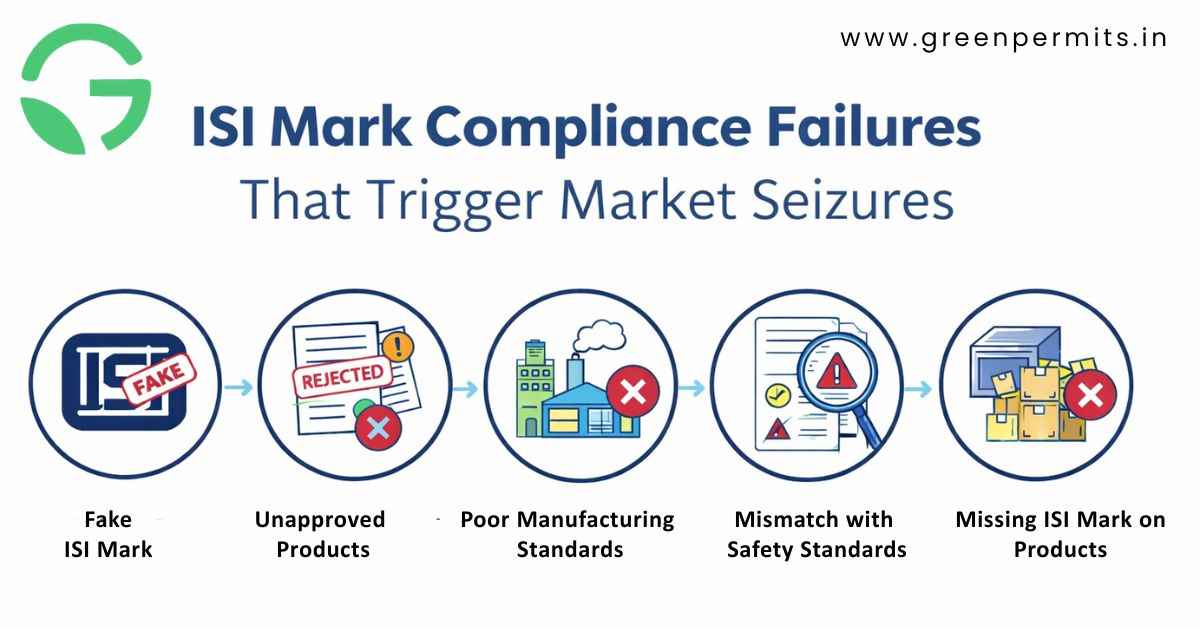
    Frequent violations include using the ISI mark without valid certification, selling products beyond approved scope, failure to renew licenses, non-conforming product quality, and improper labeling. Even minor documentation gaps can attract enforcement action from regulatory authorities.

    Legal Risks & Business Impact
    ISI compliance failures may result in product confiscation, monetary penalties, cancellation of BIS licenses, and reputational damage. In severe cases, authorities may initiate prosecution, affecting long-term business operations and market credibility.

    Why Professional Compliance Management Matters
    Proactive compliance monitoring, timely renewals, product testing, and correct labeling practices significantly reduce enforcement risks. Expert support ensures proper documentation, audit preparedness, and smooth regulatory coordination.

    Green Permits Consulting LLC offers end-to-end assistance for ISI certification, compliance management, and BIS regulatory advisory across India.

    For a detailed guide on ISI mark compliance failures and how to avoid seizures, visit:

    https://www.greenpermits.in/02/isi-mark-compliance-failures-that-trigger-seizures/

    Website: https://www.greenpermits.in/

    Call: +91 78350 06182

    Email: wecare@greenpermits.in

    Book a Consultation with Green Permits and ensure smooth, seizure-free ISI compliance for your business.
    ISI Mark Compliance Failures That Trigger Seizures in India Green permits The ISI Mark issued by the Bureau of Indian Standards (BIS) is a mandatory certification for several regulated products in India. However, non-compliance with ISI requirements can lead to product seizures, penalties, and serious business disruption. Understanding common compliance failures is essential for manufacturers and importers. Common ISI Compliance Mistakes Frequent violations include using the ISI mark without valid certification, selling products beyond approved scope, failure to renew licenses, non-conforming product quality, and improper labeling. Even minor documentation gaps can attract enforcement action from regulatory authorities. Legal Risks & Business Impact ISI compliance failures may result in product confiscation, monetary penalties, cancellation of BIS licenses, and reputational damage. In severe cases, authorities may initiate prosecution, affecting long-term business operations and market credibility. Why Professional Compliance Management Matters Proactive compliance monitoring, timely renewals, product testing, and correct labeling practices significantly reduce enforcement risks. Expert support ensures proper documentation, audit preparedness, and smooth regulatory coordination. Green Permits Consulting LLC offers end-to-end assistance for ISI certification, compliance management, and BIS regulatory advisory across India. For a detailed guide on ISI mark compliance failures and how to avoid seizures, visit: 👉 https://www.greenpermits.in/02/isi-mark-compliance-failures-that-trigger-seizures/ 🌐 Website: https://www.greenpermits.in/ 📞 Call: +91 78350 06182 📧 Email: wecare@greenpermits.in Book a Consultation with Green Permits and ensure smooth, seizure-free ISI compliance for your business.
    WWW.GREENPERMITS.IN
    ISI Mark Compliance Failures That Trigger Market Seizures - Green Permits
    ISI Mark compliance failures can trigger market seizure and BIS penalties. Avoid suspension and legal risk. Call +91 78350 06182 today.
    0 Commenti 0 condivisioni 260 Views 0 Anteprima
  • The best spine surgery hospital provides expert care for spinal injuries, disc problems, and deformities. Meridian VNS Hospital has experienced spine surgeons, modern diagnostic tools, and advanced surgical techniques. The hospital focuses on accurate evaluation, personalized treatment plans, and patient safety. With state-of-the-art equipment, professional monitoring, and post-surgery rehabilitation, Meridian VNS ensures reliable and effective spine surgery solutions for patients seeking specialized spinal care in Varanasi.
    Visit Us:- https://meridianvns.com/orthopedics
    The best spine surgery hospital provides expert care for spinal injuries, disc problems, and deformities. Meridian VNS Hospital has experienced spine surgeons, modern diagnostic tools, and advanced surgical techniques. The hospital focuses on accurate evaluation, personalized treatment plans, and patient safety. With state-of-the-art equipment, professional monitoring, and post-surgery rehabilitation, Meridian VNS ensures reliable and effective spine surgery solutions for patients seeking specialized spinal care in Varanasi. Visit Us:- https://meridianvns.com/orthopedics
    0 Commenti 0 condivisioni 194 Views 0 Anteprima
  • Business IT Support in Fort Worth By Direct Results
    https://maps.app.goo.gl/12XbCeyr7kLYqSU6A


    Get dependable Business IT Support in Fort Worth from Direct Results designed for companies that need secure and reliable technology. We manage your networks, cybersecurity, and daily IT operations with proactive monitoring and fast response. Our experienced team works to reduce downtime and improve efficiency. Get started with a free consultation today.
    Business IT Support in Fort Worth By Direct Results https://maps.app.goo.gl/12XbCeyr7kLYqSU6A Get dependable Business IT Support in Fort Worth from Direct Results designed for companies that need secure and reliable technology. We manage your networks, cybersecurity, and daily IT operations with proactive monitoring and fast response. Our experienced team works to reduce downtime and improve efficiency. Get started with a free consultation today.
    MAPS.APP.GOO.GL
    Google Maps
    Find local businesses, view maps and get driving directions in Google Maps.
    0 Commenti 0 condivisioni 243 Views 0 Anteprima
  • Global Bayard-Alpert Gauge Market Analysis, Size, Share & Forecast 2026

    The global Bayard-Alpert Gauge market is witnessing significant growth, driven by the increasing demand for precise vacuum measurement in industries such as semiconductor, energy, and research laboratories. Bayard-Alpert gauges are highly regarded for their accuracy in ultra-high vacuum (UHV) applications, making them indispensable in sectors where precision monitoring is critical. With advancements in gauge design and integration with digital monitoring systems, the market is poised for robust expansion over the coming years.The Bayard-Alpert gauge market was valued at USD 92.5 million in 2025 and is projected to reach USD 140.8 million by 2031, registering a CAGR of 6.5% during the forecast period of 2026–2031.

    Read Full Research Study: https://marketintelo.com/report/bayard-alpert-gauge-market
    Global Bayard-Alpert Gauge Market Analysis, Size, Share & Forecast 2026 The global Bayard-Alpert Gauge market is witnessing significant growth, driven by the increasing demand for precise vacuum measurement in industries such as semiconductor, energy, and research laboratories. Bayard-Alpert gauges are highly regarded for their accuracy in ultra-high vacuum (UHV) applications, making them indispensable in sectors where precision monitoring is critical. With advancements in gauge design and integration with digital monitoring systems, the market is poised for robust expansion over the coming years.The Bayard-Alpert gauge market was valued at USD 92.5 million in 2025 and is projected to reach USD 140.8 million by 2031, registering a CAGR of 6.5% during the forecast period of 2026–2031. Read Full Research Study: https://marketintelo.com/report/bayard-alpert-gauge-market
    MARKETINTELO.COM
    Bayard-Alpert Gauge Market Research Report 2033
    As per our latest market intelligence, the Global Bayard-Alpert Gauge market size was valued at $210 million in 2024, and is forecasted to hit $340 million by 2033, growing at a robust CAGR of 5.4%.
    0 Commenti 0 condivisioni 302 Views 0 Anteprima
  • Identity Threat Detection and Response Platforms: Market Dynamics and Innovation Trends

    The global Identity Threat Detection and Response (ITDR) market is rapidly emerging as a cornerstone of modern cybersecurity strategies. As organizations accelerate digital transformation and adopt hybrid and multi-cloud infrastructures, identity has become the primary attack surface. ITDR market research provides a comprehensive analysis of emerging technology trends, competitive dynamics, and future market outlook, helping technology vendors refine growth strategies and enabling buyers to evaluate vendor capabilities, differentiation, and long-term market positioning.

    Click Here For More: https://qksgroup.com/market-research/spark-matrix-identity-threat-detection-and-response-q4-2025-10322

    Why ITDR Is Gaining Strategic Importance

    Traditional Identity and Access Management (IAM) and endpoint security solutions alone are no longer sufficient to defend against sophisticated identity-based attacks. Threat actors increasingly exploit compromised credentials, privilege escalation, and lateral movement techniques to infiltrate enterprise networks. ITDR bridges the gap between IAM, endpoint detection, and extended detection and response (XDR) ecosystems by delivering continuous monitoring and real-time protection across human and machine identities.

    Modern ITDR platforms leverage advanced analytics, including graph-based modeling, protocol telemetry inspection, and AI-driven behavioral baselining. These capabilities correlate identity signals from platforms such as Active Directory, Entra ID, SaaS applications, and IaaS environments into unified attack narratives. By integrating with enforcement systems like EDR, SOAR, and Privileged Access Management (PAM), ITDR enables automated remediation and adaptive containment strategies aligned with Zero Trust architectures.

    Emerging Market Trends

    The Identity Threat Detection and Response market is shaped by several key trends:

    Hybrid Identity Expansion: Organizations are managing increasingly complex identity stores across on-premises and cloud environments.

    Machine and Service Identity Protection: Growth in APIs, automation, and DevOps pipelines has expanded the attack surface beyond human users.

    AI-Driven Threat Detection: Behavioral analytics and anomaly detection powered by artificial intelligence are enhancing early-stage attack visibility.

    Identity-Centric Zero Trust Adoption: ITDR is becoming foundational for enforcing continuous verification and least-privilege access.

    As enterprises prioritize identity resilience, ITDR is evolving from a niche capability into an essential component of cybersecurity architecture.

    Competitive Landscape and SPARK Matrix Evaluation

    The research includes detailed competition analysis and vendor evaluation using the proprietary SPARK Matrix framework. The SPARK Matrix ranks and positions leading Identity Threat Detection and Response vendors based on technology excellence, customer impact, and global presence.

    Connect With Our Analyst: https://qksgroup.com/analyst-briefing?id=10322

    Key vendors evaluated include:

    Acalvio, BeyondTrust, CrowdStrike, Delinea, Microsoft, Netwrix, Okta, Palo Alto Networks, Ping Identity, Proofpoint, Quest Software, Securonix, Segura, Semperis, SentinelOne, Silverfort, Varonis, Vectra AI, Zscaler.

    These vendors are shaping the ITDR landscape through innovation in identity analytics, threat correlation, cloud-native security, and automated response capabilities.

    Future Market Outlook

    Looking ahead, the Identity Threat Detection and Response market is poised for sustained growth driven by increasing ransomware sophistication, identity-based persistence techniques, and regulatory pressures around identity governance. Organizations are expected to prioritize solutions that unify identity visibility across endpoints, networks, cloud workloads, and SaaS applications.

    As Zero Trust adoption accelerates globally, ITDR will play a pivotal role in ensuring identity resilience, minimizing breach impact, and enabling adaptive cybersecurity strategies. Vendors that combine deep identity telemetry, advanced analytics, and seamless integration with existing security ecosystems will lead the next phase of market expansion.


    #IdentityThreatDetectionAndResponseMarket #IdentityThreatDetectionAndResponse #ThreatDetectionAndResponse #ThreatDetection #IdentitySecurity #IdentityAndAccessManagement #ITDR #PrivilegedAccessManagement #SIEM #ITDRMarket #ITDRSolutions #IdentityThreatDetection #ZeroTrustSecurity #InformationSecurity #SPARKMatrix #Cybersecurity
    Identity Threat Detection and Response Platforms: Market Dynamics and Innovation Trends The global Identity Threat Detection and Response (ITDR) market is rapidly emerging as a cornerstone of modern cybersecurity strategies. As organizations accelerate digital transformation and adopt hybrid and multi-cloud infrastructures, identity has become the primary attack surface. ITDR market research provides a comprehensive analysis of emerging technology trends, competitive dynamics, and future market outlook, helping technology vendors refine growth strategies and enabling buyers to evaluate vendor capabilities, differentiation, and long-term market positioning. Click Here For More: https://qksgroup.com/market-research/spark-matrix-identity-threat-detection-and-response-q4-2025-10322 Why ITDR Is Gaining Strategic Importance Traditional Identity and Access Management (IAM) and endpoint security solutions alone are no longer sufficient to defend against sophisticated identity-based attacks. Threat actors increasingly exploit compromised credentials, privilege escalation, and lateral movement techniques to infiltrate enterprise networks. ITDR bridges the gap between IAM, endpoint detection, and extended detection and response (XDR) ecosystems by delivering continuous monitoring and real-time protection across human and machine identities. Modern ITDR platforms leverage advanced analytics, including graph-based modeling, protocol telemetry inspection, and AI-driven behavioral baselining. These capabilities correlate identity signals from platforms such as Active Directory, Entra ID, SaaS applications, and IaaS environments into unified attack narratives. By integrating with enforcement systems like EDR, SOAR, and Privileged Access Management (PAM), ITDR enables automated remediation and adaptive containment strategies aligned with Zero Trust architectures. Emerging Market Trends The Identity Threat Detection and Response market is shaped by several key trends: Hybrid Identity Expansion: Organizations are managing increasingly complex identity stores across on-premises and cloud environments. Machine and Service Identity Protection: Growth in APIs, automation, and DevOps pipelines has expanded the attack surface beyond human users. AI-Driven Threat Detection: Behavioral analytics and anomaly detection powered by artificial intelligence are enhancing early-stage attack visibility. Identity-Centric Zero Trust Adoption: ITDR is becoming foundational for enforcing continuous verification and least-privilege access. As enterprises prioritize identity resilience, ITDR is evolving from a niche capability into an essential component of cybersecurity architecture. Competitive Landscape and SPARK Matrix Evaluation The research includes detailed competition analysis and vendor evaluation using the proprietary SPARK Matrix framework. The SPARK Matrix ranks and positions leading Identity Threat Detection and Response vendors based on technology excellence, customer impact, and global presence. Connect With Our Analyst: https://qksgroup.com/analyst-briefing?id=10322 Key vendors evaluated include: Acalvio, BeyondTrust, CrowdStrike, Delinea, Microsoft, Netwrix, Okta, Palo Alto Networks, Ping Identity, Proofpoint, Quest Software, Securonix, Segura, Semperis, SentinelOne, Silverfort, Varonis, Vectra AI, Zscaler. These vendors are shaping the ITDR landscape through innovation in identity analytics, threat correlation, cloud-native security, and automated response capabilities. Future Market Outlook Looking ahead, the Identity Threat Detection and Response market is poised for sustained growth driven by increasing ransomware sophistication, identity-based persistence techniques, and regulatory pressures around identity governance. Organizations are expected to prioritize solutions that unify identity visibility across endpoints, networks, cloud workloads, and SaaS applications. As Zero Trust adoption accelerates globally, ITDR will play a pivotal role in ensuring identity resilience, minimizing breach impact, and enabling adaptive cybersecurity strategies. Vendors that combine deep identity telemetry, advanced analytics, and seamless integration with existing security ecosystems will lead the next phase of market expansion. #IdentityThreatDetectionAndResponseMarket #IdentityThreatDetectionAndResponse #ThreatDetectionAndResponse #ThreatDetection #IdentitySecurity #IdentityAndAccessManagement #ITDR #PrivilegedAccessManagement #SIEM #ITDRMarket #ITDRSolutions #IdentityThreatDetection #ZeroTrustSecurity #InformationSecurity #SPARKMatrix #Cybersecurity
    QKSGROUP.COM
    SPARK Matrix?: Identity Threat Detection and Response, Q4 2025
    SPARK Matrix™: Identity Threat Detection and Response, Q4, 2025 QKS Group’s Identity Threat Dete...
    0 Commenti 0 condivisioni 2K Views 0 Anteprima
  • Active B12 Test Market Growth, Trends, and Analysis by 2034:
    https://www.theinsightpartners.com/reports/active-b12-test-market

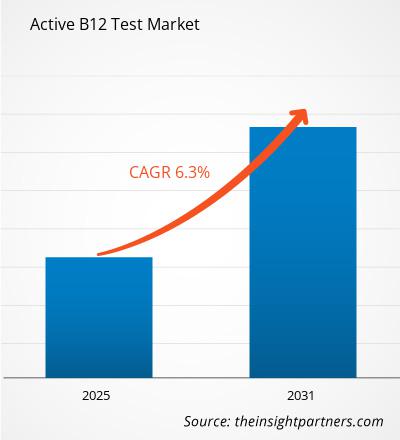
    The Global Healthcare Diagnostics landscape is witnessing a notable transformation, and one of its most quietly significant chapters is being written by the Active B12 Test market. According to a comprehensive report published by The Insight Partners, the Active B12 Test Market is anticipated to expand at a CAGR of 6.3% from 2026 to 2034, reflecting a steady and promising growth trajectory that stakeholders across the diagnostics, pharmaceutical, and healthcare sectors are closely monitoring.

    What Is Active B12 Testing?
    Unlike standard total B12 tests, active B12 testing — also known as holotranscobalamin (HoloTC) testing — measures the biologically available form of vitamin B12 that cells can actually absorb and utilize. This makes it a far more precise and clinically meaningful diagnostic tool than conventional B12 assays. As precision medicine gains traction globally, the relevance and demand for active B12 testing are growing in tandem.

    Key Market Drivers
    Increased vitamin B12 deficiency awareness is one of the primary drivers propelling the market. As more people become familiar with symptoms related to vitamin B12 deficiency — such as fatigue, cognitive dysfunction, and neurological problems — the requirements for accurate diagnostic tools like active B12 testing are rising. This trend of health monitoring has led to higher test volumes, positioning B12 testing as necessary for early diagnosis and management of potential deficiencies, especially in those who follow dietary restrictions such as veganism or vegetarianism, or older adults who face higher risks of absorption issues.

    Another major catalyst is the global rise in conditions associated with B12 deficiency. Neurological disorders, including dementia, are increasingly common. According to a report published by the World Health Organization, around 50 million people are suffering from dementia, with approximately 10 million new cases diagnosed each year, many of which have links to nutritional deficiencies like vitamin B12. This growing patient pool is pushing both physicians and diagnostic laboratories to integrate active B12 testing more routinely into patient assessments.

    Market Segmentation
    The Active B12 Test Market is segmented by diagnosis (ELISA Assay, Enzyme Immunoassay, and others), indication (Folate Deficiency Anemia, Pernicious Anemia, Macrocytic Anemia, and others), and end user (Hospitals, Medical Laboratories, Clinical Research Organizations, and others). Among diagnostic methods, enzyme immunoassay holds a prominent position due to its reliability and widespread adoption across clinical settings. On the indication side, macrocytic anemia represents a significant share given the direct correlation between this condition and B12 deficiency.
    Active B12 Test Market Growth, Trends, and Analysis by 2034: https://www.theinsightpartners.com/reports/active-b12-test-market The Global Healthcare Diagnostics landscape is witnessing a notable transformation, and one of its most quietly significant chapters is being written by the Active B12 Test market. According to a comprehensive report published by The Insight Partners, the Active B12 Test Market is anticipated to expand at a CAGR of 6.3% from 2026 to 2034, reflecting a steady and promising growth trajectory that stakeholders across the diagnostics, pharmaceutical, and healthcare sectors are closely monitoring. What Is Active B12 Testing? Unlike standard total B12 tests, active B12 testing — also known as holotranscobalamin (HoloTC) testing — measures the biologically available form of vitamin B12 that cells can actually absorb and utilize. This makes it a far more precise and clinically meaningful diagnostic tool than conventional B12 assays. As precision medicine gains traction globally, the relevance and demand for active B12 testing are growing in tandem. Key Market Drivers Increased vitamin B12 deficiency awareness is one of the primary drivers propelling the market. As more people become familiar with symptoms related to vitamin B12 deficiency — such as fatigue, cognitive dysfunction, and neurological problems — the requirements for accurate diagnostic tools like active B12 testing are rising. This trend of health monitoring has led to higher test volumes, positioning B12 testing as necessary for early diagnosis and management of potential deficiencies, especially in those who follow dietary restrictions such as veganism or vegetarianism, or older adults who face higher risks of absorption issues. Another major catalyst is the global rise in conditions associated with B12 deficiency. Neurological disorders, including dementia, are increasingly common. According to a report published by the World Health Organization, around 50 million people are suffering from dementia, with approximately 10 million new cases diagnosed each year, many of which have links to nutritional deficiencies like vitamin B12. This growing patient pool is pushing both physicians and diagnostic laboratories to integrate active B12 testing more routinely into patient assessments. Market Segmentation The Active B12 Test Market is segmented by diagnosis (ELISA Assay, Enzyme Immunoassay, and others), indication (Folate Deficiency Anemia, Pernicious Anemia, Macrocytic Anemia, and others), and end user (Hospitals, Medical Laboratories, Clinical Research Organizations, and others). Among diagnostic methods, enzyme immunoassay holds a prominent position due to its reliability and widespread adoption across clinical settings. On the indication side, macrocytic anemia represents a significant share given the direct correlation between this condition and B12 deficiency.
    WWW.THEINSIGHTPARTNERS.COM
    Active B12 Test Market Size, Growth & Opportunities | 2034 Report
    Active b12 test market outlook reveals an expected size of high revenue by 2034, with a high CAGR value for the period. The report covers key segments
    0 Commenti 0 condivisioni 1K Views 0 Anteprima
  • Real-Time Monitoring and Reporting

    This topic focuses on how systems provide continuous monitoring of compliance status and generate real-time reports. It discusses the importance of timely visibility into gaps and breaches. Ideal for leaders needing up-to-date compliance insights.

    https://www.a3logics.com/blog/legal-compliance-management-software-development/
    Real-Time Monitoring and Reporting This topic focuses on how systems provide continuous monitoring of compliance status and generate real-time reports. It discusses the importance of timely visibility into gaps and breaches. Ideal for leaders needing up-to-date compliance insights. https://www.a3logics.com/blog/legal-compliance-management-software-development/
    0 Commenti 0 condivisioni 179 Views 0 Anteprima
  • Managed Security Services Market Landscape: AI-Driven Security and Competitive Differentiation

    The global Managed Security Services (MSS) market is experiencing accelerated growth as organizations confront an increasingly complex cyber threat landscape. Market research highlights both short-term and long-term growth opportunities driven by rising ransomware attacks, expanding digital transformation initiatives, cloud adoption, and regulatory compliance requirements. As enterprises modernize their IT environments, they increasingly rely on MSS providers to ensure continuous monitoring, threat detection, incident response, and risk mitigation.

    Managed Security Services (MSS) are defined as a comprehensive and proactive suite of tailored solutions delivered by third-party providers that continuously monitor, manage, and protect client organizations’ security assets and systems. These services span a broad spectrum, including Security Operations Center (SOC) monitoring, threat intelligence, vulnerability management, endpoint security, network security, cloud security, identity management, and compliance support. MSS can be delivered through flexible engagement models such as provider-hosted cloud infrastructure, on-premises deployment, consultative services, or staff augmentation, enabling organizations to align security strategies with business goals.

    Click Here For More: https://qksgroup.com/market-research/spark-matrix-managed-security-services-mss-q3-2024-8109

    Market Trends and Emerging Technologies

    Several key trends are shaping the MSS market:

    AI-Driven Security Operations: Automation, machine learning, and AI-powered analytics are transforming threat detection and response capabilities.

    Extended Detection and Response (XDR): MSS providers are integrating XDR platforms to unify visibility across endpoints, networks, cloud, and identity layers.

    Cloud-Native Security Services: As multi-cloud adoption grows, MSS vendors are offering specialized cloud monitoring and configuration management solutions.

    Zero Trust Adoption: Enterprises are implementing Zero Trust frameworks, increasing demand for continuous monitoring and identity-centric security services.

    Compliance and Risk Management: Stricter regulatory environments are pushing organizations to outsource compliance monitoring and reporting.

    The research provides a comprehensive forecast analysis of global market adoption rates, highlighting strong growth across North America, Europe, and Asia-Pacific. Small and mid-sized enterprises (SMEs), in particular, are accelerating Managed Security Services adoption to access enterprise-grade security expertise without the high costs of building in-house security teams.

    Competitive Landscape and SPARK Matrix™ Evaluation

    The market research includes a detailed competitive analysis and vendor evaluation through the proprietary SPARK Matrix™ framework. This framework ranks and positions leading MSS vendors based on technology excellence and customer impact, offering strategic insights for both buyers and providers.

    Key vendors evaluated in the SPARK Matrix™ include:

    BlueVoyant, Cipher, ConnectWise, CyberProof, Cyderes, eSentire, Forescout, Fortra, Integrity 360, Kaspersky, Kudelski Security, Motorola Solutions, Nuspire, Obrela, Ontinue, Optiv, Proficio, Proofpoint, Rapid7, Trustwave, Viking Cloud, and WithSecure.

    The SPARK Matrix™ analysis evaluates these vendors on parameters such as innovation, service portfolio depth, global reach, customer satisfaction, and strategic vision. This structured benchmarking enables enterprises to compare vendor capabilities and identify the right MSS partner aligned with their operational requirements.

    Connect With Our Analyst: https://qksgroup.com/analyst-briefing?id=8109

    Strategic Value for Vendors and Buyers

    For technology vendors, the research delivers actionable insights to refine go-to-market strategies, strengthen service differentiation, and identify emerging growth areas. For enterprise buyers, it provides a transparent view of vendor positioning, competitive strengths, and market maturity.

    As cyber threats continue to evolve, Managed Security Services providers are becoming strategic security partners rather than just service vendors. The future market outlook indicates sustained demand, innovation in managed detection and response (MDR), deeper integration with cloud ecosystems, and stronger emphasis on outcome-driven security models.

    The MSS market is poised for robust expansion, offering significant opportunities for vendors and organizations seeking resilient, scalable, and proactive cybersecurity solutions.


    #ManagedSecurityServicesMarket #ManagedSecurityServices #PrivilegedAccessManagement #PatchManagement #AccessControl #IdentityAccessManagement #ManagedSecurityServiceProvider #MSSMarket #ManagedSecurityServicesPlatform #MSSVendors #InformationSecurity #ManagedDetectionAndResponse #VulnerabilityManagement #ManagedSecurity #Cybersecurity
    Managed Security Services Market Landscape: AI-Driven Security and Competitive Differentiation The global Managed Security Services (MSS) market is experiencing accelerated growth as organizations confront an increasingly complex cyber threat landscape. Market research highlights both short-term and long-term growth opportunities driven by rising ransomware attacks, expanding digital transformation initiatives, cloud adoption, and regulatory compliance requirements. As enterprises modernize their IT environments, they increasingly rely on MSS providers to ensure continuous monitoring, threat detection, incident response, and risk mitigation. Managed Security Services (MSS) are defined as a comprehensive and proactive suite of tailored solutions delivered by third-party providers that continuously monitor, manage, and protect client organizations’ security assets and systems. These services span a broad spectrum, including Security Operations Center (SOC) monitoring, threat intelligence, vulnerability management, endpoint security, network security, cloud security, identity management, and compliance support. MSS can be delivered through flexible engagement models such as provider-hosted cloud infrastructure, on-premises deployment, consultative services, or staff augmentation, enabling organizations to align security strategies with business goals. Click Here For More: https://qksgroup.com/market-research/spark-matrix-managed-security-services-mss-q3-2024-8109 Market Trends and Emerging Technologies Several key trends are shaping the MSS market: AI-Driven Security Operations: Automation, machine learning, and AI-powered analytics are transforming threat detection and response capabilities. Extended Detection and Response (XDR): MSS providers are integrating XDR platforms to unify visibility across endpoints, networks, cloud, and identity layers. Cloud-Native Security Services: As multi-cloud adoption grows, MSS vendors are offering specialized cloud monitoring and configuration management solutions. Zero Trust Adoption: Enterprises are implementing Zero Trust frameworks, increasing demand for continuous monitoring and identity-centric security services. Compliance and Risk Management: Stricter regulatory environments are pushing organizations to outsource compliance monitoring and reporting. The research provides a comprehensive forecast analysis of global market adoption rates, highlighting strong growth across North America, Europe, and Asia-Pacific. Small and mid-sized enterprises (SMEs), in particular, are accelerating Managed Security Services adoption to access enterprise-grade security expertise without the high costs of building in-house security teams. Competitive Landscape and SPARK Matrix™ Evaluation The market research includes a detailed competitive analysis and vendor evaluation through the proprietary SPARK Matrix™ framework. This framework ranks and positions leading MSS vendors based on technology excellence and customer impact, offering strategic insights for both buyers and providers. Key vendors evaluated in the SPARK Matrix™ include: BlueVoyant, Cipher, ConnectWise, CyberProof, Cyderes, eSentire, Forescout, Fortra, Integrity 360, Kaspersky, Kudelski Security, Motorola Solutions, Nuspire, Obrela, Ontinue, Optiv, Proficio, Proofpoint, Rapid7, Trustwave, Viking Cloud, and WithSecure. The SPARK Matrix™ analysis evaluates these vendors on parameters such as innovation, service portfolio depth, global reach, customer satisfaction, and strategic vision. This structured benchmarking enables enterprises to compare vendor capabilities and identify the right MSS partner aligned with their operational requirements. Connect With Our Analyst: https://qksgroup.com/analyst-briefing?id=8109 Strategic Value for Vendors and Buyers For technology vendors, the research delivers actionable insights to refine go-to-market strategies, strengthen service differentiation, and identify emerging growth areas. For enterprise buyers, it provides a transparent view of vendor positioning, competitive strengths, and market maturity. As cyber threats continue to evolve, Managed Security Services providers are becoming strategic security partners rather than just service vendors. The future market outlook indicates sustained demand, innovation in managed detection and response (MDR), deeper integration with cloud ecosystems, and stronger emphasis on outcome-driven security models. The MSS market is poised for robust expansion, offering significant opportunities for vendors and organizations seeking resilient, scalable, and proactive cybersecurity solutions. #ManagedSecurityServicesMarket #ManagedSecurityServices #PrivilegedAccessManagement #PatchManagement #AccessControl #IdentityAccessManagement #ManagedSecurityServiceProvider #MSSMarket #ManagedSecurityServicesPlatform #MSSVendors #InformationSecurity #ManagedDetectionAndResponse #VulnerabilityManagement #ManagedSecurity #Cybersecurity
    QKSGROUP.COM
    SPARK Matrix™: Managed Security Services (MSS), Q3 2024
    QKS Group’s Managed Security Services (MSS) Market research includes a detailed analysis of the glob...
    0 Commenti 0 condivisioni 3K Views 0 Anteprima
  • smart watch APP
    https://joeme.fit/

    The smart watch APP from Joeme seamlessly connects your device to your smartphone, delivering real-time data and personalized insights. Easily sync fitness statistics, health tracking, and notifications through a user-friendly interface. The smart watch APP enhances performance monitoring while allowing customization of watch settings. Stay organized, track progress, and optimize your wearable experience with Joeme’s advanced app technology designed for convenience and control.

    #smartwatchAPP #Joeme #wearableapp #fitnessdata #techinnovation
    smart watch APP https://joeme.fit/ The smart watch APP from Joeme seamlessly connects your device to your smartphone, delivering real-time data and personalized insights. Easily sync fitness statistics, health tracking, and notifications through a user-friendly interface. The smart watch APP enhances performance monitoring while allowing customization of watch settings. Stay organized, track progress, and optimize your wearable experience with Joeme’s advanced app technology designed for convenience and control. #smartwatchAPP #Joeme #wearableapp #fitnessdata #techinnovation
    0 Commenti 0 condivisioni 556 Views 0 Anteprima
  • Tech-Enhanced Public Relations: Top Firms in Delhi for 2026

    Best PR Companies in Delhi are revolutionizing public relations in 2026 with cutting-edge technology. By leveraging AI, data analytics, and social media integration, these firms are transforming how brands engage with their audience. Through real-time monitoring, predictive insights, and personalized strategies, they ensure brands maintain a strong online presence.

    https://medium.com/@iccplpragency/tech-enhanced-public-relations-top-firms-in-delhi-for-2026-0345490070b9

    #bestPRcompaniesinDelhi
    Tech-Enhanced Public Relations: Top Firms in Delhi for 2026 Best PR Companies in Delhi are revolutionizing public relations in 2026 with cutting-edge technology. By leveraging AI, data analytics, and social media integration, these firms are transforming how brands engage with their audience. Through real-time monitoring, predictive insights, and personalized strategies, they ensure brands maintain a strong online presence. https://medium.com/@iccplpragency/tech-enhanced-public-relations-top-firms-in-delhi-for-2026-0345490070b9 #bestPRcompaniesinDelhi
    0 Commenti 0 condivisioni 339 Views 0 Anteprima
  • Global ECG Devices Market Advancing with Smart Monitoring, Portable Technologies, and Preventive Cardiac Care: https://www.theinsightpartners.com/reports/ecg-devices-market

    According to The Insight Partners, The ECG Devices Market size is projected to reach US$ 4,509.53 million by 2031 from US$ 3,310.87 million in 2024. The market is expected to register a CAGR of 4.5% during 2024-2031. The Global ECG Devices Market is witnessing steady progress as healthcare systems, technology providers, and patients increasingly focus on early detection and continuous monitoring of heart conditions. Electrocardiography (ECG) devices remain a core diagnostic tool in cardiology, helping clinicians detect irregular heart rhythms, assess cardiac function, and support treatment decisions across hospitals, clinics, and home-care settings.

    As cardiovascular diseases continue to be a leading health concern worldwide, demand for reliable and easy-to-use ECG devices is rising. Healthcare providers are investing in modern cardiac monitoring technologies that offer faster diagnostics, improved accuracy, and seamless integration with digital health platforms.

    Growing Importance of ECG Devices in Modern Healthcare:

    ECG devices play a critical role in identifying heart-related abnormalities such as arrhythmias, myocardial infarction, and other cardiac disorders. These devices are widely used in emergency rooms, outpatient departments, ambulatory surgical centers, and home-care environments. Their ability to provide real-time insights into heart activity makes them an essential component of preventive and acute cardiac care.

    In recent years, the shift toward preventive healthcare has increased the adoption of ECG devices beyond traditional clinical settings. Portable and wearable ECG monitors are enabling continuous cardiac monitoring for patients at risk, helping physicians detect issues earlier and manage conditions more effectively.

    Technological Advancements Driving Innovation

    Technological progress is transforming the ECG devices market. Modern systems now feature wireless connectivity, cloud-based data storage, and artificial intelligence-assisted analysis. These advancements allow healthcare professionals to monitor patients remotely, review ECG data instantly, and make faster, more informed clinical decisions.

    Portable ECG devices and handheld monitors are gaining popularity among both clinicians and patients. These compact systems offer convenience, especially for individuals with chronic heart conditions who require regular monitoring. Integration with smartphones and health applications is also making ECG data more accessible, supporting telemedicine and remote consultations. Artificial intelligence is another key trend shaping the ECG devices landscape. AI-powered algorithms can assist in detecting abnormal heart rhythms, improving diagnostic accuracy and reducing the workload on healthcare professionals. As digital health ecosystems continue to evolve, ECG devices are expected to become even more connected and intelligent.

    Top Key Players:

    · GE Healthcare

    · Spacelabs Healthcare (OSI Systems, Inc.)

    · Nihon Kohden Corporation

    · SCHILLER AG

    · Hill-Rom Holdings, Inc

    · BPL Medical Technologies

    · Koninklijke Philips N.V

    · AliveCor Inc

    · Fukuda Denshi Co., Ltd

    · Shenzhen Mindray Bio-Medical Electronics Co., Ltd


    Rising Adoption of Wearable and Home-Based ECG Solutions:

    The increasing popularity of wearable health technologies is contributing to the growth of ECG devices. Smartwatches, patches, and other wearable monitors are now capable of recording ECG readings, allowing users to track their heart health in real time. Home-based ECG devices are also becoming more common, particularly among elderly patients and individuals with chronic cardiac conditions. These systems provide convenience, reduce hospital visits, and support continuous monitoring under medical supervision. The trend toward patient-centric care is expected to further accelerate the adoption of such devices.

    Expanding Applications Across Healthcare Settings:

    ECG devices are used across a wide range of clinical scenarios. In emergency care, they help in the rapid assessment of heart attacks and arrhythmias. In outpatient settings, they are used for routine cardiac evaluations and pre-operative assessments. Ambulatory ECG systems, such as Holter monitors and event recorders, allow long-term monitoring of patients’ heart activity during daily activities. In addition, ECG devices are increasingly used in sports medicine, corporate wellness programs, and community health initiatives. These applications are helping promote early detection of heart conditions and encouraging preventive healthcare practices.

    Focus on User-Friendly and Connected Devices:

    Manufacturers are focusing on developing ECG devices that are easier to use, more compact, and compatible with digital health platforms. User-friendly interfaces, automated data analysis, and wireless connectivity are becoming standard features in new devices. Cloud-based ECG solutions are enabling seamless data sharing between patients, clinicians, and healthcare facilities. This connectivity supports remote diagnostics, telehealth services, and coordinated care, particularly in regions with limited access to specialized cardiac centers.

    Regulatory and Quality Considerations:

    As ECG devices become more advanced and widely used, regulatory standards and quality assurance remain crucial. Manufacturers are working to meet stringent medical device regulations, ensuring accuracy, reliability, and patient safety. Regulatory approvals and compliance with international standards help build trust among healthcare providers and patients. This focus on quality is expected to support the long-term adoption of advanced ECG technologies.

    Competitive Landscape and Industry Collaboration:

    The ECG devices market is characterized by the presence of established medical technology companies and emerging digital health innovators. Industry players are investing in research and development to introduce next-generation ECG systems with improved functionality and connectivity. Strategic collaborations between medical device manufacturers, software developers, and healthcare providers are also shaping the market. These partnerships aim to create integrated cardiac monitoring solutions that combine hardware, software, and data analytics.
    Global ECG Devices Market Advancing with Smart Monitoring, Portable Technologies, and Preventive Cardiac Care: https://www.theinsightpartners.com/reports/ecg-devices-market According to The Insight Partners, The ECG Devices Market size is projected to reach US$ 4,509.53 million by 2031 from US$ 3,310.87 million in 2024. The market is expected to register a CAGR of 4.5% during 2024-2031. The Global ECG Devices Market is witnessing steady progress as healthcare systems, technology providers, and patients increasingly focus on early detection and continuous monitoring of heart conditions. Electrocardiography (ECG) devices remain a core diagnostic tool in cardiology, helping clinicians detect irregular heart rhythms, assess cardiac function, and support treatment decisions across hospitals, clinics, and home-care settings. As cardiovascular diseases continue to be a leading health concern worldwide, demand for reliable and easy-to-use ECG devices is rising. Healthcare providers are investing in modern cardiac monitoring technologies that offer faster diagnostics, improved accuracy, and seamless integration with digital health platforms. Growing Importance of ECG Devices in Modern Healthcare: ECG devices play a critical role in identifying heart-related abnormalities such as arrhythmias, myocardial infarction, and other cardiac disorders. These devices are widely used in emergency rooms, outpatient departments, ambulatory surgical centers, and home-care environments. Their ability to provide real-time insights into heart activity makes them an essential component of preventive and acute cardiac care. In recent years, the shift toward preventive healthcare has increased the adoption of ECG devices beyond traditional clinical settings. Portable and wearable ECG monitors are enabling continuous cardiac monitoring for patients at risk, helping physicians detect issues earlier and manage conditions more effectively. Technological Advancements Driving Innovation Technological progress is transforming the ECG devices market. Modern systems now feature wireless connectivity, cloud-based data storage, and artificial intelligence-assisted analysis. These advancements allow healthcare professionals to monitor patients remotely, review ECG data instantly, and make faster, more informed clinical decisions. Portable ECG devices and handheld monitors are gaining popularity among both clinicians and patients. These compact systems offer convenience, especially for individuals with chronic heart conditions who require regular monitoring. Integration with smartphones and health applications is also making ECG data more accessible, supporting telemedicine and remote consultations. Artificial intelligence is another key trend shaping the ECG devices landscape. AI-powered algorithms can assist in detecting abnormal heart rhythms, improving diagnostic accuracy and reducing the workload on healthcare professionals. As digital health ecosystems continue to evolve, ECG devices are expected to become even more connected and intelligent. Top Key Players: · GE Healthcare · Spacelabs Healthcare (OSI Systems, Inc.) · Nihon Kohden Corporation · SCHILLER AG · Hill-Rom Holdings, Inc · BPL Medical Technologies · Koninklijke Philips N.V · AliveCor Inc · Fukuda Denshi Co., Ltd · Shenzhen Mindray Bio-Medical Electronics Co., Ltd Rising Adoption of Wearable and Home-Based ECG Solutions: The increasing popularity of wearable health technologies is contributing to the growth of ECG devices. Smartwatches, patches, and other wearable monitors are now capable of recording ECG readings, allowing users to track their heart health in real time. Home-based ECG devices are also becoming more common, particularly among elderly patients and individuals with chronic cardiac conditions. These systems provide convenience, reduce hospital visits, and support continuous monitoring under medical supervision. The trend toward patient-centric care is expected to further accelerate the adoption of such devices. Expanding Applications Across Healthcare Settings: ECG devices are used across a wide range of clinical scenarios. In emergency care, they help in the rapid assessment of heart attacks and arrhythmias. In outpatient settings, they are used for routine cardiac evaluations and pre-operative assessments. Ambulatory ECG systems, such as Holter monitors and event recorders, allow long-term monitoring of patients’ heart activity during daily activities. In addition, ECG devices are increasingly used in sports medicine, corporate wellness programs, and community health initiatives. These applications are helping promote early detection of heart conditions and encouraging preventive healthcare practices. Focus on User-Friendly and Connected Devices: Manufacturers are focusing on developing ECG devices that are easier to use, more compact, and compatible with digital health platforms. User-friendly interfaces, automated data analysis, and wireless connectivity are becoming standard features in new devices. Cloud-based ECG solutions are enabling seamless data sharing between patients, clinicians, and healthcare facilities. This connectivity supports remote diagnostics, telehealth services, and coordinated care, particularly in regions with limited access to specialized cardiac centers. Regulatory and Quality Considerations: As ECG devices become more advanced and widely used, regulatory standards and quality assurance remain crucial. Manufacturers are working to meet stringent medical device regulations, ensuring accuracy, reliability, and patient safety. Regulatory approvals and compliance with international standards help build trust among healthcare providers and patients. This focus on quality is expected to support the long-term adoption of advanced ECG technologies. Competitive Landscape and Industry Collaboration: The ECG devices market is characterized by the presence of established medical technology companies and emerging digital health innovators. Industry players are investing in research and development to introduce next-generation ECG systems with improved functionality and connectivity. Strategic collaborations between medical device manufacturers, software developers, and healthcare providers are also shaping the market. These partnerships aim to create integrated cardiac monitoring solutions that combine hardware, software, and data analytics.
    0 Commenti 0 condivisioni 2K Views 0 Anteprima
Pagine in Evidenza
JogaJog https://jogajog.com.bd