



 Downloader
 Free FTP
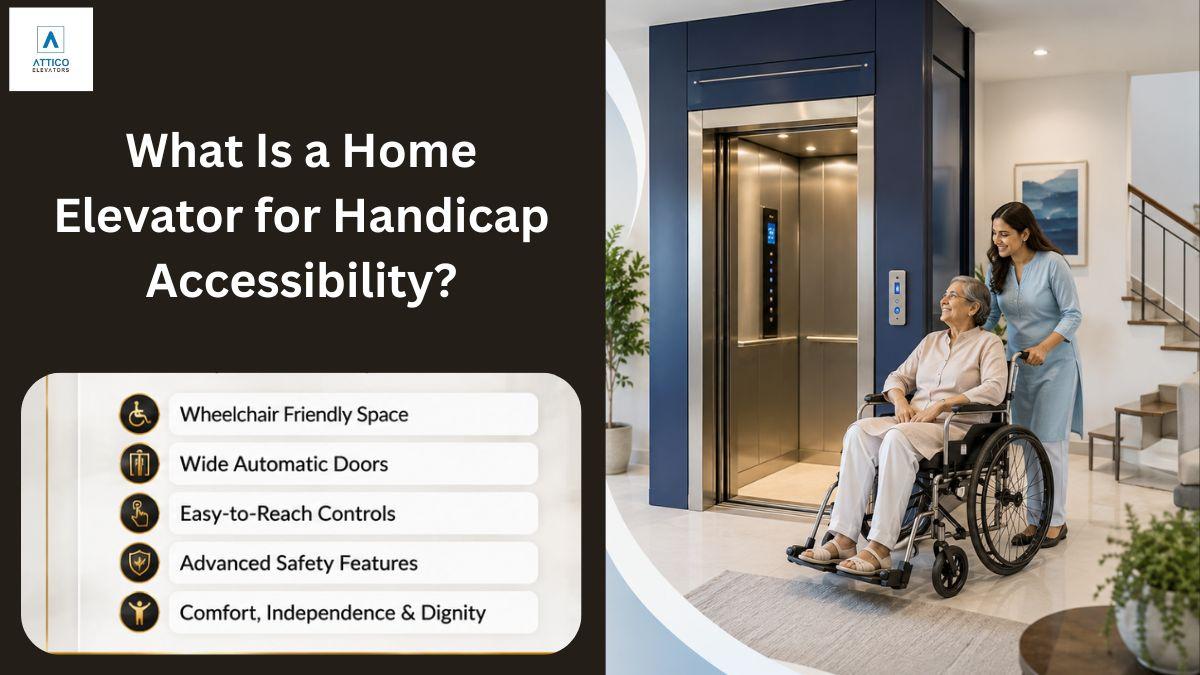
What Is a Home Elevator for Handicap Accessibility?
A home elevator for handicap accessibility is a specially designed residential lift that helps people with mobility challenges, wheelchair users, senior citizens, and individuals recovering from injuries move safely and comfortably between floors. Unlike traditional staircases, these elevators provide a barrier-free solution that promotes independence and improves the overall quality of life.
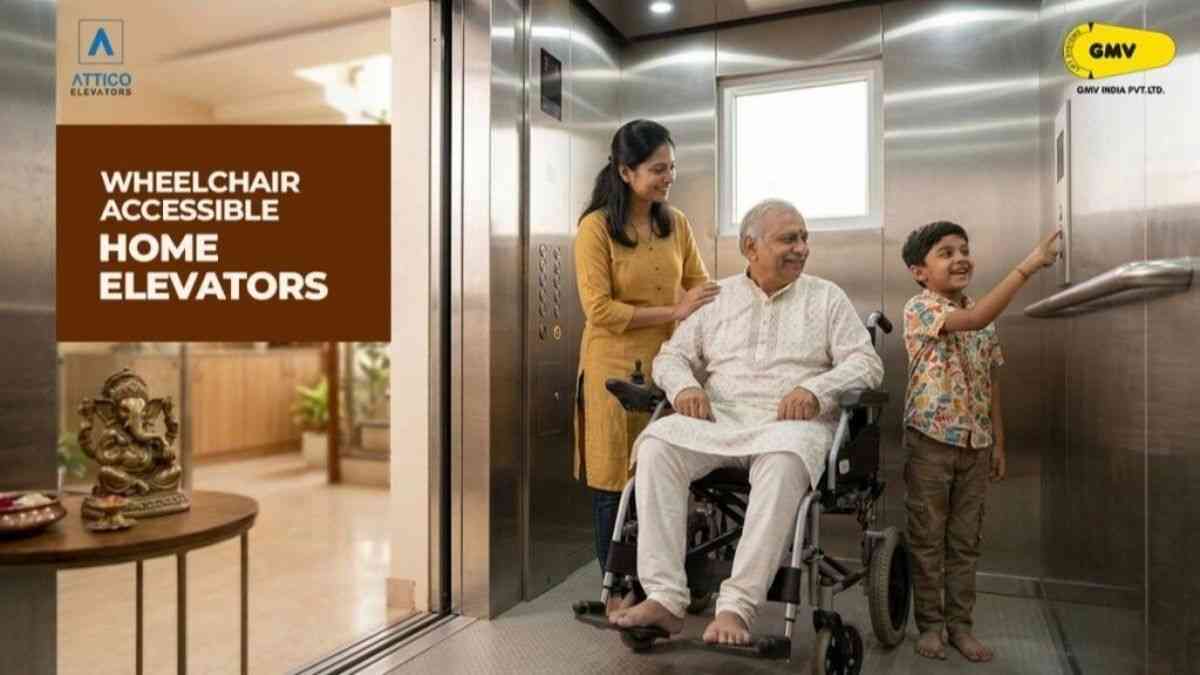
Modern home elevators are built with accessibility and safety in mind. They feature wide automatic doors, spacious cabins for wheelchairs, non-slip flooring, handrails, easy-to-reach control panels, emergency alarms, battery backup, and automatic rescue devices (ARD). Many models also include voice announcements, Braille buttons, and smooth start-and-stop technology for a comfortable riding experience.
Today's home elevators for handicap accessibility solutions are available in compact designs, making them suitable for both new homes and existing buildings. Machine Room Less (MRL) and pitless elevators require minimal structural modifications, allowing homeowners to install them without major renovations.
In addition to improving accessibility, these elevators enhance home safety by reducing the risk of falls on stairs. They also increase property value and make multi-story homes more convenient for every family member. Whether you are planning for aging in place or creating a fully accessible home, investing in a home elevator for handicap accessibility is a practical, long-term solution that combines comfort, convenience, and advanced safety.
Frequently Asked Questions (FAQs)
1. Who should install a home elevator for handicap accessibility?
It is ideal for wheelchair users, people with physical disabilities, senior citizens, and anyone with limited mobility who needs safe access between floors.
2. Can a home elevator accommodate a wheelchair?
Yes. Most accessibility-focused home elevators are designed with spacious cabins and wide doors to comfortably accommodate wheelchairs.
3. Is a home elevator for handicap accessibility safe?
Yes. Modern elevators include emergency alarms, battery backup, automatic rescue devices, door sensors, overload protection, and non-slip flooring for maximum safety.
4. Can a home elevator be installed in an existing home?
Yes. Compact MRL and pitless home elevators can often be installed in existing homes with minimal structural changes.
5. How much space is required for a home elevator?
The required space depends on the elevator model, but many modern residential elevators are designed to fit compact homes while still providing wheelchair accessibility.
https://atticoelevators.com/our-products/home-elevators
#homeelevator #handicapaccessibility #wheelchairlift #accessiblehome #residentialelevator #homeaccessibility #mobilitysolutions #seniorliving #barrierfreehome #elevatorindia #smarthome #atticoelevators
A home elevator for handicap accessibility is a specially designed residential lift that helps people with mobility challenges, wheelchair users, senior citizens, and individuals recovering from injuries move safely and comfortably between floors. Unlike traditional staircases, these elevators provide a barrier-free solution that promotes independence and improves the overall quality of life.
Modern home elevators are built with accessibility and safety in mind. They feature wide automatic doors, spacious cabins for wheelchairs, non-slip flooring, handrails, easy-to-reach control panels, emergency alarms, battery backup, and automatic rescue devices (ARD). Many models also include voice announcements, Braille buttons, and smooth start-and-stop technology for a comfortable riding experience.
Today's home elevators for handicap accessibility solutions are available in compact designs, making them suitable for both new homes and existing buildings. Machine Room Less (MRL) and pitless elevators require minimal structural modifications, allowing homeowners to install them without major renovations.
In addition to improving accessibility, these elevators enhance home safety by reducing the risk of falls on stairs. They also increase property value and make multi-story homes more convenient for every family member. Whether you are planning for aging in place or creating a fully accessible home, investing in a home elevator for handicap accessibility is a practical, long-term solution that combines comfort, convenience, and advanced safety.
Frequently Asked Questions (FAQs)
1. Who should install a home elevator for handicap accessibility?
It is ideal for wheelchair users, people with physical disabilities, senior citizens, and anyone with limited mobility who needs safe access between floors.
2. Can a home elevator accommodate a wheelchair?
Yes. Most accessibility-focused home elevators are designed with spacious cabins and wide doors to comfortably accommodate wheelchairs.
3. Is a home elevator for handicap accessibility safe?
Yes. Modern elevators include emergency alarms, battery backup, automatic rescue devices, door sensors, overload protection, and non-slip flooring for maximum safety.
4. Can a home elevator be installed in an existing home?
Yes. Compact MRL and pitless home elevators can often be installed in existing homes with minimal structural changes.
5. How much space is required for a home elevator?
The required space depends on the elevator model, but many modern residential elevators are designed to fit compact homes while still providing wheelchair accessibility.
https://atticoelevators.com/our-products/home-elevators
#homeelevator #handicapaccessibility #wheelchairlift #accessiblehome #residentialelevator #homeaccessibility #mobilitysolutions #seniorliving #barrierfreehome #elevatorindia #smarthome #atticoelevators
What Is a Home Elevator for Handicap Accessibility?
A home elevator for handicap accessibility is a specially designed residential lift that helps people with mobility challenges, wheelchair users, senior citizens, and individuals recovering from injuries move safely and comfortably between floors. Unlike traditional staircases, these elevators provide a barrier-free solution that promotes independence and improves the overall quality of life.
Modern home elevators are built with accessibility and safety in mind. They feature wide automatic doors, spacious cabins for wheelchairs, non-slip flooring, handrails, easy-to-reach control panels, emergency alarms, battery backup, and automatic rescue devices (ARD). Many models also include voice announcements, Braille buttons, and smooth start-and-stop technology for a comfortable riding experience.
Today's home elevators for handicap accessibility solutions are available in compact designs, making them suitable for both new homes and existing buildings. Machine Room Less (MRL) and pitless elevators require minimal structural modifications, allowing homeowners to install them without major renovations.
In addition to improving accessibility, these elevators enhance home safety by reducing the risk of falls on stairs. They also increase property value and make multi-story homes more convenient for every family member. Whether you are planning for aging in place or creating a fully accessible home, investing in a home elevator for handicap accessibility is a practical, long-term solution that combines comfort, convenience, and advanced safety.
Frequently Asked Questions (FAQs)
1. Who should install a home elevator for handicap accessibility?
It is ideal for wheelchair users, people with physical disabilities, senior citizens, and anyone with limited mobility who needs safe access between floors.
2. Can a home elevator accommodate a wheelchair?
Yes. Most accessibility-focused home elevators are designed with spacious cabins and wide doors to comfortably accommodate wheelchairs.
3. Is a home elevator for handicap accessibility safe?
Yes. Modern elevators include emergency alarms, battery backup, automatic rescue devices, door sensors, overload protection, and non-slip flooring for maximum safety.
4. Can a home elevator be installed in an existing home?
Yes. Compact MRL and pitless home elevators can often be installed in existing homes with minimal structural changes.
5. How much space is required for a home elevator?
The required space depends on the elevator model, but many modern residential elevators are designed to fit compact homes while still providing wheelchair accessibility.
https://atticoelevators.com/our-products/home-elevators
#homeelevator #handicapaccessibility #wheelchairlift #accessiblehome #residentialelevator #homeaccessibility #mobilitysolutions #seniorliving #barrierfreehome #elevatorindia #smarthome #atticoelevators

 Arabic
 French
 Spanish
 Portuguese
 Deutsch
 Turkish
 Dutch
Dutch
 Italiano
 Russian
 Romaian
 Portuguese (Brazil)
 Greek
Greek
