
Grow Your Business
Promote Your Product

Got a product, service, or story to share? Promote it directly to our active community and boost your brand today.

Create an Ad

Content & SEO Promotion
Publish Bulk Blog Posts
Boost Your Reach! 📝

Have articles, guest posts, or bulk stories to publish? Send your content directly to our editorial team and feature on our platform.

Email Us Your Posts

  • How Are Smart Technologies Improving Commercial Elevators?

    Smart technologies are transforming commercial elevators by making them more efficient, convenient, safe, and responsive to passenger needs. Modern elevator systems can use connected sensors, artificial intelligence, touchless controls, and real-time monitoring to improve the overall travel experience.

    One major advancement is destination control technology, which helps group passengers travelling to similar floors. This can reduce unnecessary stops, improve traffic flow, and minimize waiting times in busy commercial buildings. Touchless features, including mobile applications and sensor-based controls, can also provide a more convenient and hygienic experience.

    Smart monitoring systems continuously collect information about elevator performance. Building managers can use this data to identify potential issues, monitor usage patterns, and schedule maintenance before minor problems become major failures. This predictive approach can improve reliability and reduce unexpected downtime.

    Energy efficiency is another important benefit. Smart controls can optimize elevator operation according to building traffic, while regenerative systems can help recover energy during operation.

    Overall, smart technologies are helping commercial elevators become more connected, energy-efficient, user-friendly, and easier to maintain. For offices, shopping centres, hotels, hospitals, and other commercial buildings, investing in smart elevator technology can support better passenger experiences and more efficient building management.

    More Read: Commercial Elevators: What’s New in Technology and Design?

    FAQs
    1. What smart technologies are used in commercial elevators?
    Common technologies include destination control, touchless operation, IoT sensors, AI-based monitoring, mobile integration, and predictive maintenance systems.

    2. Can smart elevators reduce waiting times?
    Yes. Destination control and intelligent traffic management can help optimize elevator movement and reduce unnecessary stops.

    3. Are smart commercial elevators energy efficient?
    Many modern systems use intelligent controls and energy-saving technologies to optimize power consumption.

    4. How does predictive maintenance help elevators?
    Sensors can monitor elevator performance and identify potential issues early, allowing maintenance teams to address problems before unexpected breakdowns occur.

    https://atticoelevators.com/commercial-lifts-and-elevators-whats-new-in-2025

    #smartelevators #commercialelevators #commerciallifts #elevatortechnology #smarttechnology #elevators #elevatorindustry #iot #predictivemaintenance #energyefficiency

    How Are Smart Technologies Improving Commercial Elevators? Smart technologies are transforming commercial elevators by making them more efficient, convenient, safe, and responsive to passenger needs. Modern elevator systems can use connected sensors, artificial intelligence, touchless controls, and real-time monitoring to improve the overall travel experience. One major advancement is destination control technology, which helps group passengers travelling to similar floors. This can reduce unnecessary stops, improve traffic flow, and minimize waiting times in busy commercial buildings. Touchless features, including mobile applications and sensor-based controls, can also provide a more convenient and hygienic experience. Smart monitoring systems continuously collect information about elevator performance. Building managers can use this data to identify potential issues, monitor usage patterns, and schedule maintenance before minor problems become major failures. This predictive approach can improve reliability and reduce unexpected downtime. Energy efficiency is another important benefit. Smart controls can optimize elevator operation according to building traffic, while regenerative systems can help recover energy during operation. Overall, smart technologies are helping commercial elevators become more connected, energy-efficient, user-friendly, and easier to maintain. For offices, shopping centres, hotels, hospitals, and other commercial buildings, investing in smart elevator technology can support better passenger experiences and more efficient building management. More Read: Commercial Elevators: What’s New in Technology and Design? FAQs 1. What smart technologies are used in commercial elevators? Common technologies include destination control, touchless operation, IoT sensors, AI-based monitoring, mobile integration, and predictive maintenance systems. 2. Can smart elevators reduce waiting times? Yes. Destination control and intelligent traffic management can help optimize elevator movement and reduce unnecessary stops. 3. Are smart commercial elevators energy efficient? Many modern systems use intelligent controls and energy-saving technologies to optimize power consumption. 4. How does predictive maintenance help elevators? Sensors can monitor elevator performance and identify potential issues early, allowing maintenance teams to address problems before unexpected breakdowns occur. https://atticoelevators.com/commercial-lifts-and-elevators-whats-new-in-2025 #smartelevators #commercialelevators #commerciallifts #elevatortechnology #smarttechnology #elevators #elevatorindustry #iot #predictivemaintenance #energyefficiency
    0 التعليقات 0 المشاركات 613 مشاهدة 0 معاينة
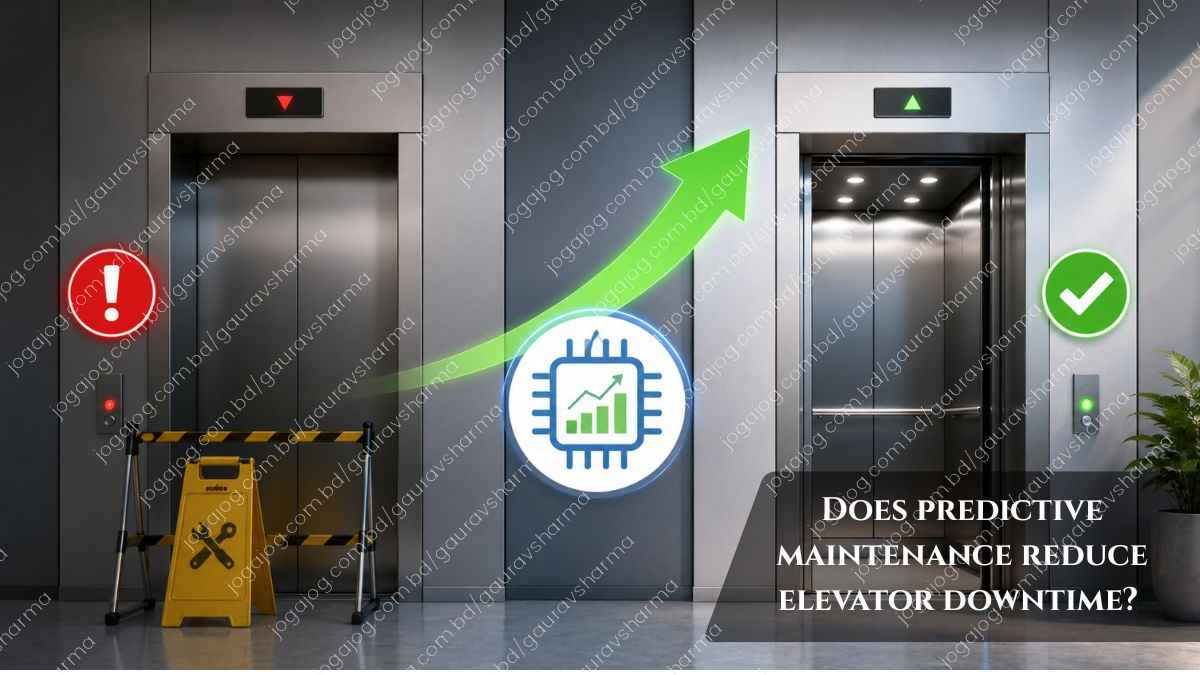
  • Does predictive maintenance reduce elevator downtime?

    Yes, predictive maintenance can significantly reduce elevator downtime by identifying potential problems before they become major failures. Traditional maintenance often follows a fixed schedule, while predictive maintenance uses sensors, data monitoring, and smart technology to track the condition of important elevator components.

    For example, AI-based systems can monitor unusual vibrations, motor performance, door movement, temperature, and other operating patterns. When the system detects an abnormal condition, it can alert technicians so they can inspect or replace the affected component before an unexpected breakdown occurs.

    This approach supports AI elevator maintenance and improves overall elevator safety by allowing maintenance teams to address problems proactively. It can also reduce emergency repairs, improve equipment reliability, and help maintain smoother elevator operation.

    FAQs
    How does predictive maintenance reduce elevator downtime?
    It detects early signs of component problems, allowing technicians to take corrective action before a breakdown occurs.

    Is predictive maintenance better than regular elevator maintenance?
    It complements regular maintenance by providing condition-based information and helping technicians identify developing issues earlier.

    Can AI predict elevator failures?
    AI can analyze operating data and identify patterns that may indicate potential component problems, although it cannot guarantee that every failure will be predicted.

    Related Topic: How AI and Predictive Maintenance Are Changing Elevator Safety Standards

    https://atticoelevators.blogspot.com/2026/06/how-ai-and-predictive-maintenance-are.html

    #predictivemaintenance #elevatormaintenance #aiforelevators #elevatorsafety #smartelevators #elevatortechnology #elevatordowntime
    Does predictive maintenance reduce elevator downtime? Yes, predictive maintenance can significantly reduce elevator downtime by identifying potential problems before they become major failures. Traditional maintenance often follows a fixed schedule, while predictive maintenance uses sensors, data monitoring, and smart technology to track the condition of important elevator components. For example, AI-based systems can monitor unusual vibrations, motor performance, door movement, temperature, and other operating patterns. When the system detects an abnormal condition, it can alert technicians so they can inspect or replace the affected component before an unexpected breakdown occurs. This approach supports AI elevator maintenance and improves overall elevator safety by allowing maintenance teams to address problems proactively. It can also reduce emergency repairs, improve equipment reliability, and help maintain smoother elevator operation. FAQs How does predictive maintenance reduce elevator downtime? It detects early signs of component problems, allowing technicians to take corrective action before a breakdown occurs. Is predictive maintenance better than regular elevator maintenance? It complements regular maintenance by providing condition-based information and helping technicians identify developing issues earlier. Can AI predict elevator failures? AI can analyze operating data and identify patterns that may indicate potential component problems, although it cannot guarantee that every failure will be predicted. Related Topic: How AI and Predictive Maintenance Are Changing Elevator Safety Standards https://atticoelevators.blogspot.com/2026/06/how-ai-and-predictive-maintenance-are.html #predictivemaintenance #elevatormaintenance #aiforelevators #elevatorsafety #smartelevators #elevatortechnology #elevatordowntime
    0 التعليقات 0 المشاركات 16كيلو بايت مشاهدة 0 معاينة
  • Remote Vehicle Diagnostics and Management Market Demand, Industry Analysis & Future Outlook

    The Remote Vehicle Diagnostics and Management Market is expanding rapidly due to increasing connected vehicle adoption, predictive maintenance solutions, and advancements in fleet management technologies.

    https://www.theinsightpartners.com/reports/remote-vehicle-diagnostics-and-management-market
    Remote Vehicle Diagnostics and Management Market Demand, Industry Analysis & Future Outlook The Remote Vehicle Diagnostics and Management Market is expanding rapidly due to increasing connected vehicle adoption, predictive maintenance solutions, and advancements in fleet management technologies. https://www.theinsightpartners.com/reports/remote-vehicle-diagnostics-and-management-market
    0 التعليقات 0 المشاركات 1كيلو بايت مشاهدة 0 معاينة
  • The United Arab Emirates logistics and transportation sector is evolving rapidly. To stay competitive, businesses are focusing on smarter and more efficient fleet operations. As demand for faster deliveries and reliable services increases, companies are adopting innovative technologies to manage their fleets effectively.

    Read more: https://bayanatss.com/fleet-predictive-maintenance-in-uae-fleet-tracking-management-systems/
    The United Arab Emirates logistics and transportation sector is evolving rapidly. To stay competitive, businesses are focusing on smarter and more efficient fleet operations. As demand for faster deliveries and reliable services increases, companies are adopting innovative technologies to manage their fleets effectively. Read more: https://bayanatss.com/fleet-predictive-maintenance-in-uae-fleet-tracking-management-systems/
    BAYANATSS.COM
    Fleet Predictive Maintenance in UAE: Tracking & Management Systems
    Discover fleet predictive maintenance in UAE with smart fleet management systems, tracking solutions, telematics, and SLA tools to reduce downtime.
    Like
    1
    0 التعليقات 0 المشاركات 784 مشاهدة 0 معاينة
  • Top Smart Home Elevators in India 2026: IoT Features, Safety & Luxury Explained

    Smart home elevators in India 2026 are transforming the way people experience comfort, accessibility, and modern living. With rapid advancements in technology, these elevators are no longer just a convenience but a smart lifestyle upgrade.Here’s a clear and easy point-to-point explanation:

    IoT-Based Control: Smart elevators can be operated using mobile apps, voice assistants, and home automation systems, offering complete control at your fingertips.

    Enhanced Safety Features: Equipped with emergency alarms, automatic rescue devices, door sensors, overload protection, and battery backup for maximum safety.

    Energy Efficiency: These elevators use advanced motors and eco-friendly systems that reduce electricity consumption and support sustainable living.

    Compact & Space-Saving: Modern designs like shaftless and machine-room-less elevators make installation easy, even in small homes or duplexes.

    Luxury & Aesthetics: Premium features like glass cabins, touchless controls, LED lighting, and customized interiors add elegance to your home.

    Low Maintenance: Smart diagnostics and predictive maintenance alerts help minimize breakdowns and reduce long-term service costs.

    Overall, smart home elevators are a perfect combination of innovation, safety, and luxury. They not only improve daily convenience but also increase property value, making them a smart investment for modern homeowners in 2026.

    https://peruactivo.com/read-blog/15171

    #smarthomeelevator #homeelevatorsindia #iotelevator #residentialelevators #luxurylifts #modernhomes #homeautomation #elevatorsafety #smartliving #verticalmobility
    Top Smart Home Elevators in India 2026: IoT Features, Safety & Luxury Explained Smart home elevators in India 2026 are transforming the way people experience comfort, accessibility, and modern living. With rapid advancements in technology, these elevators are no longer just a convenience but a smart lifestyle upgrade.Here’s a clear and easy point-to-point explanation: IoT-Based Control: Smart elevators can be operated using mobile apps, voice assistants, and home automation systems, offering complete control at your fingertips. Enhanced Safety Features: Equipped with emergency alarms, automatic rescue devices, door sensors, overload protection, and battery backup for maximum safety. Energy Efficiency: These elevators use advanced motors and eco-friendly systems that reduce electricity consumption and support sustainable living. Compact & Space-Saving: Modern designs like shaftless and machine-room-less elevators make installation easy, even in small homes or duplexes. Luxury & Aesthetics: Premium features like glass cabins, touchless controls, LED lighting, and customized interiors add elegance to your home. Low Maintenance: Smart diagnostics and predictive maintenance alerts help minimize breakdowns and reduce long-term service costs. Overall, smart home elevators are a perfect combination of innovation, safety, and luxury. They not only improve daily convenience but also increase property value, making them a smart investment for modern homeowners in 2026. https://peruactivo.com/read-blog/15171 #smarthomeelevator #homeelevatorsindia #iotelevator #residentialelevators #luxurylifts #modernhomes #homeautomation #elevatorsafety #smartliving #verticalmobility
    0 التعليقات 0 المشاركات 10كيلو بايت مشاهدة 0 معاينة
  • 4G and 5G Private Mobile Network Services Market: Trends, Vendor Insights, and Future Outlook

    The global market for 4G and 5G Private Mobile Network (PMN) Services is experiencing rapid growth as enterprises seek secure, high-performance connectivity solutions to support digital transformation initiatives. These networks provide end-to-end solutions—from consulting and deployment to ongoing operational management—empowering organizations to establish robust, resilient communication infrastructures that enhance connectivity across devices, industrial systems, and critical applications.

    Click Here For More : https://qksgroup.com/market-research/spark-matrix-4g-and-5g-private-mobile-network-services-q4-2025-9844

    Recent market research highlights the evolving landscape of 4G and 5G PMN services, examining emerging technology trends, competitive dynamics, and growth opportunities. As businesses increasingly adopt private mobile networks, demand is rising for solutions that offer low latency, enhanced security, and scalable connectivity. Industries such as manufacturing, logistics, energy, healthcare, and smart cities are leading the adoption curve, leveraging these networks to support automation, IoT integration, and mission-critical operations.

    A key feature of this research is the SPARK Matrix analysis, which evaluates and ranks leading vendors based on their global impact, product capabilities, and market strategy. The SPARK Matrix offers enterprises and technology buyers actionable insights into vendor differentiation, competitive positioning, and strategic direction. Prominent players in this space include AT&T, Boldyn Networks, BT Group, Deutsche Telekom, Ericsson, HPE, Infosys, Kyndryl, Nokia, NTT DATA, Orange Business, Tech Mahindra, Telefonica, T-Mobile, Verizon, and Vodafone. These vendors are recognized for their comprehensive offerings, spanning consulting, network design, deployment, integration, and operational management, ensuring enterprises can efficiently deploy and manage private mobile networks tailored to their specific needs.

    The research also underscores emerging technology trends shaping the market, such as the convergence of 5G with edge computing, AI-driven network optimization, and advanced cybersecurity frameworks. By leveraging these innovations, enterprises can achieve improved network reliability, predictive maintenance, and seamless integration with existing IT and operational technology systems.

    Looking ahead, the 4G and 5G PMN services market is expected to witness sustained growth as enterprises prioritize resilient, high-speed, and secure connectivity solutions. For technology vendors, understanding market dynamics, competitive differentiation, and customer requirements will be critical to capturing market share. Similarly, enterprises evaluating private mobile network solutions can leverage insights from this research to make informed decisions, select the right vendors, and implement networks that support long-term business objectives.

    Download Free Sample Report Here: https://qksgroup.com/download-sample-form/spark-matrix-4g-and-5g-private-mobile-network-services-q4-2025-9844

    4G and 5G Private Mobile Network Services are no longer just a connectivity solution—they are a strategic enabler for enterprise innovation, operational efficiency, and digital transformation.

    #4Gand5GPrivateMobileNetworkServicesMarket #PrivateMobileNetworkServicesMarket #4Gand5GPrivateMobileNetworkServices #MobilePrivateNetwork #PrivateMobileNetwork #4GPrivateMobileNetwork #5GPrivateMobileNetwork #EnterprisePrivateNetwork #5GConnectivity #PrivateNetworkServices #NetworkAsAService #SPARKMatrix #ManagedPrivateNetworks #4GConnectivity
    4G and 5G Private Mobile Network Services Market: Trends, Vendor Insights, and Future Outlook The global market for 4G and 5G Private Mobile Network (PMN) Services is experiencing rapid growth as enterprises seek secure, high-performance connectivity solutions to support digital transformation initiatives. These networks provide end-to-end solutions—from consulting and deployment to ongoing operational management—empowering organizations to establish robust, resilient communication infrastructures that enhance connectivity across devices, industrial systems, and critical applications. Click Here For More : https://qksgroup.com/market-research/spark-matrix-4g-and-5g-private-mobile-network-services-q4-2025-9844 Recent market research highlights the evolving landscape of 4G and 5G PMN services, examining emerging technology trends, competitive dynamics, and growth opportunities. As businesses increasingly adopt private mobile networks, demand is rising for solutions that offer low latency, enhanced security, and scalable connectivity. Industries such as manufacturing, logistics, energy, healthcare, and smart cities are leading the adoption curve, leveraging these networks to support automation, IoT integration, and mission-critical operations. A key feature of this research is the SPARK Matrix analysis, which evaluates and ranks leading vendors based on their global impact, product capabilities, and market strategy. The SPARK Matrix offers enterprises and technology buyers actionable insights into vendor differentiation, competitive positioning, and strategic direction. Prominent players in this space include AT&T, Boldyn Networks, BT Group, Deutsche Telekom, Ericsson, HPE, Infosys, Kyndryl, Nokia, NTT DATA, Orange Business, Tech Mahindra, Telefonica, T-Mobile, Verizon, and Vodafone. These vendors are recognized for their comprehensive offerings, spanning consulting, network design, deployment, integration, and operational management, ensuring enterprises can efficiently deploy and manage private mobile networks tailored to their specific needs. The research also underscores emerging technology trends shaping the market, such as the convergence of 5G with edge computing, AI-driven network optimization, and advanced cybersecurity frameworks. By leveraging these innovations, enterprises can achieve improved network reliability, predictive maintenance, and seamless integration with existing IT and operational technology systems. Looking ahead, the 4G and 5G PMN services market is expected to witness sustained growth as enterprises prioritize resilient, high-speed, and secure connectivity solutions. For technology vendors, understanding market dynamics, competitive differentiation, and customer requirements will be critical to capturing market share. Similarly, enterprises evaluating private mobile network solutions can leverage insights from this research to make informed decisions, select the right vendors, and implement networks that support long-term business objectives. Download Free Sample Report Here: https://qksgroup.com/download-sample-form/spark-matrix-4g-and-5g-private-mobile-network-services-q4-2025-9844 4G and 5G Private Mobile Network Services are no longer just a connectivity solution—they are a strategic enabler for enterprise innovation, operational efficiency, and digital transformation. #4Gand5GPrivateMobileNetworkServicesMarket #PrivateMobileNetworkServicesMarket #4Gand5GPrivateMobileNetworkServices #MobilePrivateNetwork #PrivateMobileNetwork #4GPrivateMobileNetwork #5GPrivateMobileNetwork #EnterprisePrivateNetwork #5GConnectivity #PrivateNetworkServices #NetworkAsAService #SPARKMatrix #ManagedPrivateNetworks #4GConnectivity
    QKSGROUP.COM
    SPARK Matrix?: 4G and 5G Private Mobile Network Services, Q4 2025
    QKS Group's 4G and 5G Private Mobile Network Services market research includes a comprehensive analy...
    0 التعليقات 0 المشاركات 11كيلو بايت مشاهدة 0 معاينة
  • The era of the "Dumb Home" is over. 🚫🏠

    In 2026, AI isn't just a buzzword in Abu Dhabi real estate—it's the primary driver of value. ✅ Automated Valuations (95% accuracy) ✅ Predictive Maintenance (Lower service charges) ✅ Smart Climate Control (Cheaper bills)

    See how AI is reshaping your property value: 👇 https://homestead-ae.com/ai-applications-abu-dhabi-2026/

    #PropTech #AbuDhabi #RealEstate #AI #Investment
    The era of the "Dumb Home" is over. 🚫🏠 In 2026, AI isn't just a buzzword in Abu Dhabi real estate—it's the primary driver of value. ✅ Automated Valuations (95% accuracy) ✅ Predictive Maintenance (Lower service charges) ✅ Smart Climate Control (Cheaper bills) See how AI is reshaping your property value: 👇 https://homestead-ae.com/ai-applications-abu-dhabi-2026/ #PropTech #AbuDhabi #RealEstate #AI #Investment
    HOMESTEAD-AE.COM
    AI Applications in 2026: What’s Actually Being Used (Not the Fake Excitement): Insider, Research-Backed, Expert Guide for Abu Dhabi 🤖⚡
    Explore how AI applications are shaping Abu Dhabi's Smart City and real estate trends for savvy investors in 2026.
    0 التعليقات 0 المشاركات 2كيلو بايت مشاهدة 0 معاينة
  • Pressure Transmitter Market Report: Unlocking Growth Potential and Addressing Challenges

    United States of America – October 28, 2025 – The Insight Partners is proud to announce its latest market research publication, “Pressure Transmitter Market: An In-depth Analysis.” This comprehensive report provides an all-encompassing overview of the global Pressure Transmitter Market, detailing current industry dynamics, emerging trends, and future growth opportunities expected through the forecast period up to 2031.

    Overview of the Pressure Transmitter Market
    The Pressure Transmitter Market is witnessing significant transformation, driven by rapid industrial automation, increasing focus on process optimization, and stringent safety regulations across industries such as oil & gas, chemical, power generation, water treatment, and pharmaceuticals. Pressure transmitters play a critical role in monitoring and controlling process variables to ensure operational safety, accuracy, and efficiency.

    The shift toward smart sensors, digital communication protocols, and Industrial Internet of Things (IIoT) integration has revolutionized traditional process control systems. Companies are investing in technologically advanced transmitters that provide real-time monitoring, wireless communication, and enhanced diagnostic capabilities. However, challenges such as fluctuating raw material costs, high installation expenses, and complex calibration processes continue to impact market expansion.

    Key Findings and Insights
    Market Size and Growth
    • Historical Data: The Pressure Transmitter Market has experienced steady growth owing to widespread industrialization, increased demand for energy, and growing process automation needs.
    • Forecast Outlook: The market is projected to expand robustly by 2031, propelled by the adoption of smart pressure transmitters and the growing need for reliable process instrumentation.
    • Key Growth Drivers: Emphasis on energy efficiency, predictive maintenance, and environmental compliance are key catalysts for market expansion.


    Key Factors Affecting the Pressure Transmitter Market
    • Industrial Automation: The accelerating trend of digital manufacturing and Industry 4.0 initiatives is fueling demand for smart transmitters that support real-time monitoring and analytics.
    • Technological Advancements: Advancements in wireless pressure transmitters, microelectromechanical systems (MEMS), and AI-based process controls are transforming industrial operations.
    • Regulatory Compliance: Stringent environmental and safety regulations are driving the need for accurate and reliable pressure monitoring in hazardous industries.
    • Infrastructure Modernization: Upgradation of aging infrastructure in sectors like water, oil & gas, and power generation boosts demand for next-generation transmitters.
    • Economic Factors: Market growth is influenced by industrial capital investments, oil price fluctuations, and the global demand for manufactured goods.

    Explore more -
    https://www.theinsightpartners.com/reports/pressure-transmitter-market
    Pressure Transmitter Market Report: Unlocking Growth Potential and Addressing Challenges United States of America – October 28, 2025 – The Insight Partners is proud to announce its latest market research publication, “Pressure Transmitter Market: An In-depth Analysis.” This comprehensive report provides an all-encompassing overview of the global Pressure Transmitter Market, detailing current industry dynamics, emerging trends, and future growth opportunities expected through the forecast period up to 2031. Overview of the Pressure Transmitter Market The Pressure Transmitter Market is witnessing significant transformation, driven by rapid industrial automation, increasing focus on process optimization, and stringent safety regulations across industries such as oil & gas, chemical, power generation, water treatment, and pharmaceuticals. Pressure transmitters play a critical role in monitoring and controlling process variables to ensure operational safety, accuracy, and efficiency. The shift toward smart sensors, digital communication protocols, and Industrial Internet of Things (IIoT) integration has revolutionized traditional process control systems. Companies are investing in technologically advanced transmitters that provide real-time monitoring, wireless communication, and enhanced diagnostic capabilities. However, challenges such as fluctuating raw material costs, high installation expenses, and complex calibration processes continue to impact market expansion. Key Findings and Insights Market Size and Growth • Historical Data: The Pressure Transmitter Market has experienced steady growth owing to widespread industrialization, increased demand for energy, and growing process automation needs. • Forecast Outlook: The market is projected to expand robustly by 2031, propelled by the adoption of smart pressure transmitters and the growing need for reliable process instrumentation. • Key Growth Drivers: Emphasis on energy efficiency, predictive maintenance, and environmental compliance are key catalysts for market expansion. Key Factors Affecting the Pressure Transmitter Market • Industrial Automation: The accelerating trend of digital manufacturing and Industry 4.0 initiatives is fueling demand for smart transmitters that support real-time monitoring and analytics. • Technological Advancements: Advancements in wireless pressure transmitters, microelectromechanical systems (MEMS), and AI-based process controls are transforming industrial operations. • Regulatory Compliance: Stringent environmental and safety regulations are driving the need for accurate and reliable pressure monitoring in hazardous industries. • Infrastructure Modernization: Upgradation of aging infrastructure in sectors like water, oil & gas, and power generation boosts demand for next-generation transmitters. • Economic Factors: Market growth is influenced by industrial capital investments, oil price fluctuations, and the global demand for manufactured goods. Explore more - https://www.theinsightpartners.com/reports/pressure-transmitter-market
    WWW.THEINSIGHTPARTNERS.COM
    Pressure Transmitter Market: Size, Share, and Growth Analysis by 2031
    According to New Research Pressure Transmitter Market is Growing at high CAGR with detailed analysis of drivers, and challenges by 2031: Download Sample PDF
    0 التعليقات 0 المشاركات 9كيلو بايت مشاهدة 0 معاينة
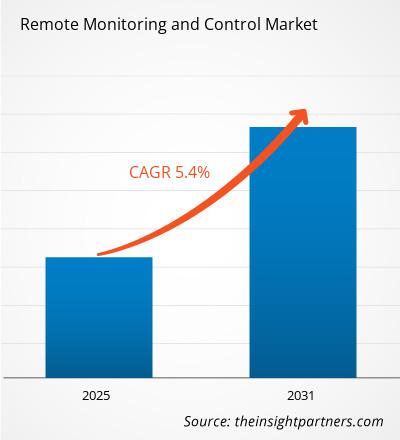
  • Remote Monitoring and Control Market Report: Unlocking Growth Potential and Addressing Challenges

    United States of America – October 28, 2025 – The Insight Partners is proud to announce its latest market publication, “Remote Monitoring and Control Market: An In-depth Analysis.” The comprehensive report delivers a 360-degree view of the global Remote Monitoring and Control market, examining the current landscape, key industry trends, and future growth prospects expected to shape the market trajectory through 2031.

    Overview of the Remote Monitoring and Control Market
    The Remote Monitoring and Control Market has experienced rapid evolution over the past decade, primarily driven by the digital transformation of industries and the rising importance of automation. From manufacturing floors to water treatment plants, energy systems, and smart buildings, organizations are increasingly leveraging remote monitoring technologies to enhance operational visibility, minimize downtime, and improve asset utilization.

    Moreover, the integration of Industrial Internet of Things (IIoT), AI-powered analytics, and cloud computing has transformed how industries manage distributed assets and critical systems. This paradigm shift is helping businesses achieve predictive maintenance, energy optimization, and enhanced process efficiency.
    However, while technological advancements continue to accelerate adoption, challenges such as cybersecurity threats, integration complexity, and high initial costs remain pivotal considerations for industry players.

    Explore more -https://www.theinsightpartners.com/reports/remote-monitoring-and-control-market
    Remote Monitoring and Control Market Report: Unlocking Growth Potential and Addressing Challenges United States of America – October 28, 2025 – The Insight Partners is proud to announce its latest market publication, “Remote Monitoring and Control Market: An In-depth Analysis.” The comprehensive report delivers a 360-degree view of the global Remote Monitoring and Control market, examining the current landscape, key industry trends, and future growth prospects expected to shape the market trajectory through 2031. Overview of the Remote Monitoring and Control Market The Remote Monitoring and Control Market has experienced rapid evolution over the past decade, primarily driven by the digital transformation of industries and the rising importance of automation. From manufacturing floors to water treatment plants, energy systems, and smart buildings, organizations are increasingly leveraging remote monitoring technologies to enhance operational visibility, minimize downtime, and improve asset utilization. Moreover, the integration of Industrial Internet of Things (IIoT), AI-powered analytics, and cloud computing has transformed how industries manage distributed assets and critical systems. This paradigm shift is helping businesses achieve predictive maintenance, energy optimization, and enhanced process efficiency. However, while technological advancements continue to accelerate adoption, challenges such as cybersecurity threats, integration complexity, and high initial costs remain pivotal considerations for industry players. Explore more -https://www.theinsightpartners.com/reports/remote-monitoring-and-control-market
    WWW.THEINSIGHTPARTNERS.COM
    Remote Monitoring and Control Market Analysis by Size, Share & Growth 2031
    Remote Monitoring and Control Market is expected to rise at 5.4% CAGR by 2031 with detailed analysis of drivers, challenges, regional outlook, and future growth projections.
    0 التعليقات 0 المشاركات 6كيلو بايت مشاهدة 0 معاينة
  • Automotive Artificial Intelligence Market: Unlocking Growth Potential and Addressing Challenges

    United States of America – October 15, 2025 — The Insight Partners is proud to announce its newest market report, "Automotive Artificial Intelligence Market: An In-depth Analysis of the Automotive AI Market (2024–2031)". The report provides a holistic view of the automotive artificial intelligence market and describes the current scenario as well as growth estimates during the forecast period.
    ________________________________________
    Overview of Automotive Artificial Intelligence Market
    The automotive artificial intelligence (AI) market has emerged as one of the most transformative forces in the global automotive industry. Driven by the integration of advanced machine learning, computer vision, and natural language processing technologies, AI is revolutionizing vehicle design, manufacturing, and driving experience. From autonomous driving and driver-assistance systems to predictive maintenance and smart infotainment, AI has become the cornerstone of next-generation mobility solutions.
    Rising consumer demand for safer, more efficient, and intelligent vehicles, coupled with regulatory support for advanced driver-assistance systems (ADAS), continues to propel the market forward. Automakers and tech giants are investing heavily in AI-driven mobility ecosystems to gain a competitive advantage.
    ________________________________________
    Key Findings and Insights
    Market Size and Growth
    • Key Factors Affecting the Automotive AI Market:
    o Growing adoption of autonomous and semi-autonomous vehicles.
    o Integration of AI in advanced driver-assistance systems (ADAS) and vehicle safety features.
    o Expansion of connected car ecosystems and 5G infrastructure.
    o Increasing demand for predictive analytics in vehicle maintenance and fleet management.
    o Strategic partnerships between automakers and AI technology providers.
    ________________________________________
    Market Segmentation
    Segmentation Criteria:
    1. By Component:
    o Hardware (Microprocessors, GPUs, ASICs, FPGAs)
    o Software (AI platforms, frameworks, tools)
    o Services (Data training, integration, and support)
    2. By Technology:
    o Machine Learning & Deep Learning
    o Computer Vision
    o Natural Language Processing
    3. By Application:
    o Autonomous Driving
    o Human–Machine Interface (Voice & Gesture Recognition)
    o Driver Assistance Systems (ADAS)
    o Predictive Maintenance
    o Fleet & Traffic Management
    o Vehicle Manufacturing & Design Optimization
    4. By Vehicle Type:
    o Passenger Cars
    o Commercial Vehicles
    5. By Geography:
    o North America
    o Europe
    o Asia-Pacific
    o Middle East & Africa
    o Latin America
    ________________________________________
    Spotting Emerging Trends
    Technological Advancements
    • Rapid integration of AI-powered vision systems for object detection, collision avoidance, and lane-keeping assistance.
    • Deployment of edge AI chips to process real-time data within vehicles, minimizing latency.
    • Evolution of AI-driven infotainment systems enabling personalized user experiences.
    • Development of neural network accelerators and AI co-processors for faster decision-making in autonomous driving.
    Changing Consumer Preferences
    • Rising preference for vehicles equipped with smart assistants, driver monitoring, and self-learning navigation systems.
    • Growing demand for connected, self-diagnosing vehicles offering enhanced safety and convenience.
    • Shift toward mobility-as-a-service (MaaS) solutions powered by AI for shared and sustainable transportation.
    Regulatory Changes
    • Implementation of safety mandates and autonomous vehicle testing guidelines by agencies such as NHTSA and the EU Commission.
    • Incentives for EVs integrated with AI-based energy optimization systems.
    • Global initiatives promoting ethical AI and data privacy compliance in smart mobility ecosystems.
    ________________________________________
    Growth Opportunities
    1. Expansion of Autonomous Vehicle Programs:
    Rising investment in Level 3 and Level 4 autonomous driving systems by OEMs and tech companies presents major growth opportunities.
    2. AI in Electric Vehicles (EVs):
    Integration of AI to optimize battery performance, charging patterns, and energy efficiency offers new revenue potential.
    3. Smart Manufacturing and Predictive Quality Control:
    AI-driven automation in automotive manufacturing is enhancing production efficiency and reducing operational costs.
    4. Fleet Analytics and Predictive Maintenance:
    Fleet operators adopting AI for vehicle health monitoring and route optimization will drive the commercial vehicle segment.
    5. Partnerships and Data Monetization:
    Collaboration between automakers, AI developers, and cloud service providers can create scalable, data-driven ecosystems for connected mobility.
    ________________________________________
    Conclusion
    The Automotive Artificial Intelligence Market: Global Industry Trends, Share, Size, Growth, Opportunity, and Forecast 2024–2031 report delivers crucial insights for stakeholders aiming to capitalize on the AI revolution in the automotive industry. The market’s growth is underpinned by rising adoption of autonomous driving, vehicle connectivity, and predictive intelligence solutions. Companies that invest in ethical AI frameworks, real-time data analytics, and cross-industry partnerships will lead the transformation toward intelligent, autonomous, and sustainable mobility.

    https://www.theinsightpartners.com/reports/automotive-artificial-intelligence-market
    Automotive Artificial Intelligence Market: Unlocking Growth Potential and Addressing Challenges United States of America – October 15, 2025 — The Insight Partners is proud to announce its newest market report, "Automotive Artificial Intelligence Market: An In-depth Analysis of the Automotive AI Market (2024–2031)". The report provides a holistic view of the automotive artificial intelligence market and describes the current scenario as well as growth estimates during the forecast period. ________________________________________ Overview of Automotive Artificial Intelligence Market The automotive artificial intelligence (AI) market has emerged as one of the most transformative forces in the global automotive industry. Driven by the integration of advanced machine learning, computer vision, and natural language processing technologies, AI is revolutionizing vehicle design, manufacturing, and driving experience. From autonomous driving and driver-assistance systems to predictive maintenance and smart infotainment, AI has become the cornerstone of next-generation mobility solutions. Rising consumer demand for safer, more efficient, and intelligent vehicles, coupled with regulatory support for advanced driver-assistance systems (ADAS), continues to propel the market forward. Automakers and tech giants are investing heavily in AI-driven mobility ecosystems to gain a competitive advantage. ________________________________________ Key Findings and Insights Market Size and Growth • Key Factors Affecting the Automotive AI Market: o Growing adoption of autonomous and semi-autonomous vehicles. o Integration of AI in advanced driver-assistance systems (ADAS) and vehicle safety features. o Expansion of connected car ecosystems and 5G infrastructure. o Increasing demand for predictive analytics in vehicle maintenance and fleet management. o Strategic partnerships between automakers and AI technology providers. ________________________________________ Market Segmentation Segmentation Criteria: 1. By Component: o Hardware (Microprocessors, GPUs, ASICs, FPGAs) o Software (AI platforms, frameworks, tools) o Services (Data training, integration, and support) 2. By Technology: o Machine Learning & Deep Learning o Computer Vision o Natural Language Processing 3. By Application: o Autonomous Driving o Human–Machine Interface (Voice & Gesture Recognition) o Driver Assistance Systems (ADAS) o Predictive Maintenance o Fleet & Traffic Management o Vehicle Manufacturing & Design Optimization 4. By Vehicle Type: o Passenger Cars o Commercial Vehicles 5. By Geography: o North America o Europe o Asia-Pacific o Middle East & Africa o Latin America ________________________________________ Spotting Emerging Trends Technological Advancements • Rapid integration of AI-powered vision systems for object detection, collision avoidance, and lane-keeping assistance. • Deployment of edge AI chips to process real-time data within vehicles, minimizing latency. • Evolution of AI-driven infotainment systems enabling personalized user experiences. • Development of neural network accelerators and AI co-processors for faster decision-making in autonomous driving. Changing Consumer Preferences • Rising preference for vehicles equipped with smart assistants, driver monitoring, and self-learning navigation systems. • Growing demand for connected, self-diagnosing vehicles offering enhanced safety and convenience. • Shift toward mobility-as-a-service (MaaS) solutions powered by AI for shared and sustainable transportation. Regulatory Changes • Implementation of safety mandates and autonomous vehicle testing guidelines by agencies such as NHTSA and the EU Commission. • Incentives for EVs integrated with AI-based energy optimization systems. • Global initiatives promoting ethical AI and data privacy compliance in smart mobility ecosystems. ________________________________________ Growth Opportunities 1. Expansion of Autonomous Vehicle Programs: Rising investment in Level 3 and Level 4 autonomous driving systems by OEMs and tech companies presents major growth opportunities. 2. AI in Electric Vehicles (EVs): Integration of AI to optimize battery performance, charging patterns, and energy efficiency offers new revenue potential. 3. Smart Manufacturing and Predictive Quality Control: AI-driven automation in automotive manufacturing is enhancing production efficiency and reducing operational costs. 4. Fleet Analytics and Predictive Maintenance: Fleet operators adopting AI for vehicle health monitoring and route optimization will drive the commercial vehicle segment. 5. Partnerships and Data Monetization: Collaboration between automakers, AI developers, and cloud service providers can create scalable, data-driven ecosystems for connected mobility. ________________________________________ Conclusion The Automotive Artificial Intelligence Market: Global Industry Trends, Share, Size, Growth, Opportunity, and Forecast 2024–2031 report delivers crucial insights for stakeholders aiming to capitalize on the AI revolution in the automotive industry. The market’s growth is underpinned by rising adoption of autonomous driving, vehicle connectivity, and predictive intelligence solutions. Companies that invest in ethical AI frameworks, real-time data analytics, and cross-industry partnerships will lead the transformation toward intelligent, autonomous, and sustainable mobility. https://www.theinsightpartners.com/reports/automotive-artificial-intelligence-market
    WWW.THEINSIGHTPARTNERS.COM
    Automotive Artificial Intelligence Market Growth, Trends by 2031
    Explore the Automotive Artificial Intelligence Market detailed report with understand of key segments, growth drivers, challenges, and opportunities from 2021-2031
    0 التعليقات 0 المشاركات 15كيلو بايت مشاهدة 0 معاينة
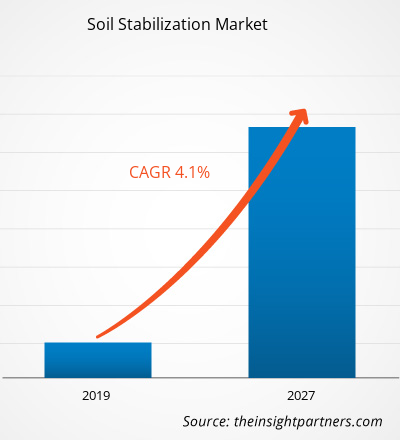
  • Soil Stabilization Market: Unlocking Growth Potential and Addressing Challenges

    United States of America – October 15, 2025 — The Insight Partners is proud to announce its newest market report, "Soil Stabilization Market: An In-depth Analysis of the Soil Stabilization Market (2024–2031)". The report provides a holistic view of the global soil stabilization market and describes the current scenario as well as growth estimates for the market during the forecast period.

    Overview of Soil Stabilization Market
    The soil stabilization market is witnessing substantial growth due to rapid infrastructure development, expanding road and highway construction projects, and increasing demand for durable foundations in industrial and commercial structures. Soil stabilization techniques—both mechanical and chemical—are being widely adopted to enhance soil strength, reduce permeability, and prevent erosion. Governments worldwide are emphasizing sustainable construction practices and cost-efficient land utilization, further driving demand for soil stabilization solutions.
    ________________________________________
    Key Findings and Insights
    Market Size and Growth
    • soil stabilization market was valued at US$ 21,997.38 Mn in 2018 and is projected to reach US$ 31,843.79 Mn by 2027; it is expected to grow at a CAGR of 4.1% from 2019 to 2027.
    • Key Factors:
    o Increasing road, highway, and airport construction projects.
    o Rising government investments in infrastructure modernization.
    o Growing awareness of sustainable construction and green stabilization materials.
    o Expanding industrial and residential construction in emerging economies.
    o Rising preference for chemical stabilizers like cement, lime, fly ash, and bitumen.
    ________________________________________
    Market Segmentation
    Segmentation Criteria:
    1. By Method:
    o Mechanical Stabilization
    o Chemical Stabilization
    o Thermal Stabilization
    2. By Material:
    o Cement
    o Lime
    o Fly Ash
    o Bitumen
    o Others (e.g., polymers, waste by-products)
    3. By Application:
    o Industrial
    o Agricultural
    o Non-Agricultural (roads, airfields, construction foundations)
    4. By End-Use Industry:
    o Infrastructure
    o Residential Construction
    o Industrial Construction
    5. By Geography:
    o North America
    o Europe
    o Asia-Pacific
    o Latin America
    o Middle East & Africa

    Spotting Emerging Trends
    Technological Advancements
    • Adoption of nano-material-based stabilizers to improve soil binding and durability.
    • Integration of IoT and geotechnical sensors for real-time soil performance monitoring.
    • Development of eco-friendly binders such as enzymes, lignosulfonates, and biopolymers.
    • Use of recycled industrial by-products (fly ash, slag) for sustainable stabilization.
    Changing Consumer Preferences
    • Increased demand for eco-sustainable stabilization solutions to reduce carbon footprint.
    • Shift toward cost-effective, time-saving techniques for large-scale infrastructure projects.
    • Growing adoption of turnkey soil stabilization services by construction contractors.
    Regulatory Changes
    • Implementation of strict government guidelines for infrastructure durability and safety.
    • Policies promoting green construction materials and recycling in soil improvement.
    • Increased funding for smart and sustainable city projects, boosting stabilization demand.
    ________________________________________
    Growth Opportunities
    1. Infrastructure Expansion in Developing Economies:
    Asia-Pacific and Africa offer significant opportunities as urbanization accelerates and road networks expand.
    2. Adoption of Green Stabilizers:
    Bio-based and waste-derived stabilizers present a profitable niche for companies focusing on sustainability.
    3. Public-Private Partnerships (PPP) in Construction:
    Governments are increasingly partnering with private players to fund large-scale infrastructure projects, creating consistent demand.
    4. Technological Integration:
    Companies investing in AI and geotechnical analytics can offer smart stabilization solutions with predictive maintenance capabilities.
    5. Mining and Energy Sector Applications:
    Soil stabilization in mining areas and renewable energy installations (solar farms, wind projects) represents a growing end-use segment.
    ________________________________________
    Conclusion
    The Soil Stabilization Market: Global Industry Trends, Share, Size, Growth, Opportunity, and Forecast 2024–2031 report provides vital insights for businesses aiming to strengthen their position in the construction materials and infrastructure ecosystem. The rising demand for sustainable and durable soil improvement techniques, coupled with government initiatives in smart infrastructure development, presents vast growth opportunities. Companies focusing on innovation in green stabilizers, strategic partnerships, and digital soil monitoring solutions will be well-positioned to lead this evolving market.

    https://www.theinsightpartners.com/reports/soil-stabilization-market
    Soil Stabilization Market: Unlocking Growth Potential and Addressing Challenges United States of America – October 15, 2025 — The Insight Partners is proud to announce its newest market report, "Soil Stabilization Market: An In-depth Analysis of the Soil Stabilization Market (2024–2031)". The report provides a holistic view of the global soil stabilization market and describes the current scenario as well as growth estimates for the market during the forecast period. Overview of Soil Stabilization Market The soil stabilization market is witnessing substantial growth due to rapid infrastructure development, expanding road and highway construction projects, and increasing demand for durable foundations in industrial and commercial structures. Soil stabilization techniques—both mechanical and chemical—are being widely adopted to enhance soil strength, reduce permeability, and prevent erosion. Governments worldwide are emphasizing sustainable construction practices and cost-efficient land utilization, further driving demand for soil stabilization solutions. ________________________________________ Key Findings and Insights Market Size and Growth • soil stabilization market was valued at US$ 21,997.38 Mn in 2018 and is projected to reach US$ 31,843.79 Mn by 2027; it is expected to grow at a CAGR of 4.1% from 2019 to 2027. • Key Factors: o Increasing road, highway, and airport construction projects. o Rising government investments in infrastructure modernization. o Growing awareness of sustainable construction and green stabilization materials. o Expanding industrial and residential construction in emerging economies. o Rising preference for chemical stabilizers like cement, lime, fly ash, and bitumen. ________________________________________ Market Segmentation Segmentation Criteria: 1. By Method: o Mechanical Stabilization o Chemical Stabilization o Thermal Stabilization 2. By Material: o Cement o Lime o Fly Ash o Bitumen o Others (e.g., polymers, waste by-products) 3. By Application: o Industrial o Agricultural o Non-Agricultural (roads, airfields, construction foundations) 4. By End-Use Industry: o Infrastructure o Residential Construction o Industrial Construction 5. By Geography: o North America o Europe o Asia-Pacific o Latin America o Middle East & Africa Spotting Emerging Trends Technological Advancements • Adoption of nano-material-based stabilizers to improve soil binding and durability. • Integration of IoT and geotechnical sensors for real-time soil performance monitoring. • Development of eco-friendly binders such as enzymes, lignosulfonates, and biopolymers. • Use of recycled industrial by-products (fly ash, slag) for sustainable stabilization. Changing Consumer Preferences • Increased demand for eco-sustainable stabilization solutions to reduce carbon footprint. • Shift toward cost-effective, time-saving techniques for large-scale infrastructure projects. • Growing adoption of turnkey soil stabilization services by construction contractors. Regulatory Changes • Implementation of strict government guidelines for infrastructure durability and safety. • Policies promoting green construction materials and recycling in soil improvement. • Increased funding for smart and sustainable city projects, boosting stabilization demand. ________________________________________ Growth Opportunities 1. Infrastructure Expansion in Developing Economies: Asia-Pacific and Africa offer significant opportunities as urbanization accelerates and road networks expand. 2. Adoption of Green Stabilizers: Bio-based and waste-derived stabilizers present a profitable niche for companies focusing on sustainability. 3. Public-Private Partnerships (PPP) in Construction: Governments are increasingly partnering with private players to fund large-scale infrastructure projects, creating consistent demand. 4. Technological Integration: Companies investing in AI and geotechnical analytics can offer smart stabilization solutions with predictive maintenance capabilities. 5. Mining and Energy Sector Applications: Soil stabilization in mining areas and renewable energy installations (solar farms, wind projects) represents a growing end-use segment. ________________________________________ Conclusion The Soil Stabilization Market: Global Industry Trends, Share, Size, Growth, Opportunity, and Forecast 2024–2031 report provides vital insights for businesses aiming to strengthen their position in the construction materials and infrastructure ecosystem. The rising demand for sustainable and durable soil improvement techniques, coupled with government initiatives in smart infrastructure development, presents vast growth opportunities. Companies focusing on innovation in green stabilizers, strategic partnerships, and digital soil monitoring solutions will be well-positioned to lead this evolving market. https://www.theinsightpartners.com/reports/soil-stabilization-market
    WWW.THEINSIGHTPARTNERS.COM
    Soil Stabilization Market by Size, Share & Trends Analysis 2027
    Soil Stabilization Market demand is estimated to soar with a high CAGR to cross US$ 31.84 Billion by 2027. Explore top segments and major trends in this report
    0 التعليقات 0 المشاركات 10كيلو بايت مشاهدة 0 معاينة
  • Hydraulic Equipment Market Report: Unlocking Growth Potential and Addressing Challenges
    United States of America – October 3, 2025 – The Insight Partners is proud to announce the release of its latest research publication titled, “Hydraulic Equipment Market: An In-depth Analysis of the Global Industry Trends, Share, Size, Growth, Opportunity, and Forecast 2023–2031.” This comprehensive report offers valuable insights into the global Hydraulic Equipment Market, examining the present landscape and forecasting future trends through the end of the decade.
    ________________________________________
    Overview of the Hydraulic Equipment Market
    The Hydraulic Equipment Market is undergoing a transformative phase, driven by rapid industrialization, infrastructure development, and advances in fluid power technologies. Demand is rising across industries such as construction, mining, agriculture, aerospace, and manufacturing. This report highlights the evolving dynamics of the market, shaped by automation trends, regulatory shifts, and the push for energy-efficient systems.
    ________________________________________
    Key Findings and Insights
    Market Size and Growth
    • Historical Data & Forecast:
    The global Hydraulic Equipment Market is projected to reach US$ 61.4 billion by 2031, growing at a CAGR of 5.6% from 2023 to 2031. Growth is primarily driven by increased demand for heavy machinery, modernization of agriculture, and expansion in material handling and logistics.
    • Key Factors Influencing Market Growth:
    o Rising infrastructure and construction activities in emerging economies
    o Growing automation in industrial processes
    o Adoption of energy-efficient hydraulic systems
    o Increasing use of hydraulic equipment in renewable energy projects (e.g., wind turbines)
    o Volatility in raw material prices and maintenance challenges as potential restraints
    ________________________________________
    Market Segmentation
    • By Product Type:
    o Pumps
    o Motors
    o Valves
    o Cylinders
    o Filters
    o Accumulators
    • By Application:
    o Mobile (Construction, Agriculture, Mining)
    o Industrial (Manufacturing, Marine, Aerospace)
    • By End User:
    o Construction
    o Oil & Gas
    o Agriculture
    o Automotive
    o Aerospace
    o Industrial Machinery
    • By Geography:
    o North America
    o Europe
    o Asia Pacific
    o Latin America
    o Middle East & Africa
    ________________________________________
    Spotting Emerging Trends
    • Technological Advancements:
    Advancements such as electro-hydraulic systems, smart hydraulic actuators, and predictive maintenance sensors are reshaping how hydraulic equipment is used in modern machinery.
    • Changing Consumer Preferences:
    Users are shifting toward compact, low-noise, and energy-efficient systems. There is growing demand for integrated solutions that reduce downtime and enhance performance in mobile and stationary equipment.
    • Regulatory Changes:
    Stringent environmental and safety regulations are pushing manufacturers to design systems that comply with ISO energy-efficiency standards and reduce fluid leakage and energy consumption.
    ________________________________________
    Growth Opportunities
    The Hydraulic Equipment Market offers substantial growth opportunities, including:
    • Infrastructure Expansion: Massive infrastructure projects in countries like India, China, and the Middle East are fueling demand for hydraulic machinery.
    • Electrification and Hybrid Systems: Integration of electric and hydraulic systems in construction and agricultural machinery is creating new product categories.
    • Aftermarket Services: The growing installed base of hydraulic systems is driving demand for spare parts, maintenance, and service contracts.
    • Automation and Industry 4.0: Smart hydraulic systems integrated with IoT and cloud-based diagnostics are enhancing productivity and enabling remote monitoring.
    • Aerospace and Defense: Hydraulic systems remain critical in aircraft and defense vehicles, offering long-term growth potential with increasing global defense budgets.
    ________________________________________
    Conclusion
    The Hydraulic Equipment Market: Global Industry Trends, Share, Size, Growth, Opportunity, and Forecast 2023–2031 report delivers a comprehensive analysis for industry players, investors, and policymakers. With industrial automation, infrastructure development, and smart machinery adoption on the rise, the hydraulic equipment industry is poised for sustained growth and innovation across multiple sectors worldwide.
    Hydraulic Equipment Market Report: Unlocking Growth Potential and Addressing Challenges United States of America – October 3, 2025 – The Insight Partners is proud to announce the release of its latest research publication titled, “Hydraulic Equipment Market: An In-depth Analysis of the Global Industry Trends, Share, Size, Growth, Opportunity, and Forecast 2023–2031.” This comprehensive report offers valuable insights into the global Hydraulic Equipment Market, examining the present landscape and forecasting future trends through the end of the decade. ________________________________________ Overview of the Hydraulic Equipment Market The Hydraulic Equipment Market is undergoing a transformative phase, driven by rapid industrialization, infrastructure development, and advances in fluid power technologies. Demand is rising across industries such as construction, mining, agriculture, aerospace, and manufacturing. This report highlights the evolving dynamics of the market, shaped by automation trends, regulatory shifts, and the push for energy-efficient systems. ________________________________________ Key Findings and Insights Market Size and Growth • Historical Data & Forecast: The global Hydraulic Equipment Market is projected to reach US$ 61.4 billion by 2031, growing at a CAGR of 5.6% from 2023 to 2031. Growth is primarily driven by increased demand for heavy machinery, modernization of agriculture, and expansion in material handling and logistics. • Key Factors Influencing Market Growth: o Rising infrastructure and construction activities in emerging economies o Growing automation in industrial processes o Adoption of energy-efficient hydraulic systems o Increasing use of hydraulic equipment in renewable energy projects (e.g., wind turbines) o Volatility in raw material prices and maintenance challenges as potential restraints ________________________________________ Market Segmentation • By Product Type: o Pumps o Motors o Valves o Cylinders o Filters o Accumulators • By Application: o Mobile (Construction, Agriculture, Mining) o Industrial (Manufacturing, Marine, Aerospace) • By End User: o Construction o Oil & Gas o Agriculture o Automotive o Aerospace o Industrial Machinery • By Geography: o North America o Europe o Asia Pacific o Latin America o Middle East & Africa ________________________________________ Spotting Emerging Trends • Technological Advancements: Advancements such as electro-hydraulic systems, smart hydraulic actuators, and predictive maintenance sensors are reshaping how hydraulic equipment is used in modern machinery. • Changing Consumer Preferences: Users are shifting toward compact, low-noise, and energy-efficient systems. There is growing demand for integrated solutions that reduce downtime and enhance performance in mobile and stationary equipment. • Regulatory Changes: Stringent environmental and safety regulations are pushing manufacturers to design systems that comply with ISO energy-efficiency standards and reduce fluid leakage and energy consumption. ________________________________________ Growth Opportunities The Hydraulic Equipment Market offers substantial growth opportunities, including: • Infrastructure Expansion: Massive infrastructure projects in countries like India, China, and the Middle East are fueling demand for hydraulic machinery. • Electrification and Hybrid Systems: Integration of electric and hydraulic systems in construction and agricultural machinery is creating new product categories. • Aftermarket Services: The growing installed base of hydraulic systems is driving demand for spare parts, maintenance, and service contracts. • Automation and Industry 4.0: Smart hydraulic systems integrated with IoT and cloud-based diagnostics are enhancing productivity and enabling remote monitoring. • Aerospace and Defense: Hydraulic systems remain critical in aircraft and defense vehicles, offering long-term growth potential with increasing global defense budgets. ________________________________________ Conclusion The Hydraulic Equipment Market: Global Industry Trends, Share, Size, Growth, Opportunity, and Forecast 2023–2031 report delivers a comprehensive analysis for industry players, investors, and policymakers. With industrial automation, infrastructure development, and smart machinery adoption on the rise, the hydraulic equipment industry is poised for sustained growth and innovation across multiple sectors worldwide.
    0 التعليقات 0 المشاركات 10كيلو بايت مشاهدة 0 معاينة
الصفحات المعززة
JogaJog https://jogajog.com.bd