
• Securing Industry 4.0: The Rising Role of Operational Technology Security Platforms

    Industrial organizations are rapidly adopting digital technologies to improve operational efficiency, automation, and remote management. However, this digital transformation also increases cybersecurity risks across industrial environments. According to the QKS Group report SPARK Matrix™: Operational Technology (OT) Security, Q4 2025, the demand for OT security solutions is growing quickly as enterprises seek to protect critical infrastructure, industrial control systems, and connected operational environments from cyber threats.

    Click here For More: https://qksgroup.com/market-research/spark-matrix-operational-technology-ot-security-q4-2025-10339

    Operational Technology (OT) refers to hardware and software that monitor and control industrial equipment, processes, and physical operations. These technologies are commonly used in industries such as energy, manufacturing, transportation, utilities, and oil and gas. Systems like SCADA, PLCs, and industrial control systems (ICS) form the backbone of OT environments. Traditionally, these systems were isolated from IT networks, but with the rise of Industry 4.0, they are now increasingly connected to enterprise IT systems and cloud platforms. This convergence significantly expands the attack surface for cyber threats.

    Many legacy OT systems were designed with reliability and operational continuity in mind rather than security. As a result, they often lack modern cybersecurity capabilities such as strong authentication, encryption, and continuous monitoring. Research shows that thousands of OT devices are exposed to the public internet with outdated firmware and unpatched vulnerabilities, making them attractive targets for attackers seeking to disrupt critical operations.

    To address these risks, organizations are adopting specialized OT security platforms that provide visibility, threat detection, and risk management across industrial environments. OT security solutions typically include network monitoring, anomaly detection, asset discovery, vulnerability management, and incident response capabilities. These platforms are designed to understand industrial protocols and operational workflows, enabling security teams to identify suspicious behavior without interrupting critical processes.

    The SPARK Matrix™ analysis by QKS Group provides a detailed evaluation of leading OT security vendors based on technology excellence and customer impact. The report offers strategic insights into vendor capabilities, market positioning, and competitive differentiation. Such assessments help enterprises choose the most suitable solutions to strengthen their industrial cybersecurity posture and reduce operational risks.

    One of the major trends highlighted in the Operational Technology (OT) Security market is the increasing integration of AI-driven analytics, machine learning, and advanced threat intelligence. These technologies enable faster detection of abnormal activities across complex industrial networks. Additionally, modern OT security platforms integrate with IT security tools such as SIEM, XDR, and SOC platforms to provide unified visibility across IT and OT environments.

    Talk To Analyst: https://qksgroup.com/analyst-briefing?analystId=36&reportId=10339

    Another important trend is the adoption of zero-trust architecture and network segmentation within industrial networks. By enforcing strict access controls and continuously verifying user and device identities, organizations can limit the movement of attackers inside critical systems.

    As cyberattacks targeting industrial environments continue to rise, securing OT infrastructure has become a strategic priority for enterprises and governments worldwide. By implementing advanced OT security solutions and following best practices, organizations can ensure operational resilience, protect critical infrastructure, and maintain business continuity in an increasingly connected industrial ecosystem.

    In conclusion, Operational Technology (OT) Security is no longer optional—it is essential for modern industrial operations. Reports like the SPARK Matrix™: OT Security, Q4 2025 provide valuable guidance for organizations looking to navigate the evolving cybersecurity landscape and build stronger defenses for their operational environments.

    #OTSecurity #OperationalTechnology #IndustrialCybersecurity #CyberSecurity #security #informationsecurity #IndustrialSecurity #CriticalInfrastructure #ICSsecurity #SCADAsecurity #CyberThreatProtection #Industry40 #IndustrialAutomation #CyberDefense #OTCybersecurity #SecuritySolutions #CriticalInfrastructureProtection
    Securing Industry 4.0: The Rising Role of Operational Technology Security Platforms Industrial organizations are rapidly adopting digital technologies to improve operational efficiency, automation, and remote management. However, this digital transformation also increases cybersecurity risks across industrial environments. According to the QKS Group report SPARK Matrix™: Operational Technology (OT) Security, Q4 2025, the demand for OT security solutions is growing quickly as enterprises seek to protect critical infrastructure, industrial control systems, and connected operational environments from cyber threats. Click here For More: https://qksgroup.com/market-research/spark-matrix-operational-technology-ot-security-q4-2025-10339 Operational Technology (OT) refers to hardware and software that monitor and control industrial equipment, processes, and physical operations. These technologies are commonly used in industries such as energy, manufacturing, transportation, utilities, and oil and gas. Systems like SCADA, PLCs, and industrial control systems (ICS) form the backbone of OT environments. Traditionally, these systems were isolated from IT networks, but with the rise of Industry 4.0, they are now increasingly connected to enterprise IT systems and cloud platforms. This convergence significantly expands the attack surface for cyber threats. Many legacy OT systems were designed with reliability and operational continuity in mind rather than security. As a result, they often lack modern cybersecurity capabilities such as strong authentication, encryption, and continuous monitoring. Research shows that thousands of OT devices are exposed to the public internet with outdated firmware and unpatched vulnerabilities, making them attractive targets for attackers seeking to disrupt critical operations. To address these risks, organizations are adopting specialized OT security platforms that provide visibility, threat detection, and risk management across industrial environments. OT security solutions typically include network monitoring, anomaly detection, asset discovery, vulnerability management, and incident response capabilities. These platforms are designed to understand industrial protocols and operational workflows, enabling security teams to identify suspicious behavior without interrupting critical processes. The SPARK Matrix™ analysis by QKS Group provides a detailed evaluation of leading OT security vendors based on technology excellence and customer impact. The report offers strategic insights into vendor capabilities, market positioning, and competitive differentiation. Such assessments help enterprises choose the most suitable solutions to strengthen their industrial cybersecurity posture and reduce operational risks. One of the major trends highlighted in the Operational Technology (OT) Security market is the increasing integration of AI-driven analytics, machine learning, and advanced threat intelligence. These technologies enable faster detection of abnormal activities across complex industrial networks. Additionally, modern OT security platforms integrate with IT security tools such as SIEM, XDR, and SOC platforms to provide unified visibility across IT and OT environments. Talk To Analyst: https://qksgroup.com/analyst-briefing?analystId=36&reportId=10339 Another important trend is the adoption of zero-trust architecture and network segmentation within industrial networks. By enforcing strict access controls and continuously verifying user and device identities, organizations can limit the movement of attackers inside critical systems. As cyberattacks targeting industrial environments continue to rise, securing OT infrastructure has become a strategic priority for enterprises and governments worldwide. By implementing advanced OT security solutions and following best practices, organizations can ensure operational resilience, protect critical infrastructure, and maintain business continuity in an increasingly connected industrial ecosystem. In conclusion, Operational Technology (OT) Security is no longer optional—it is essential for modern industrial operations. Reports like the SPARK Matrix™: OT Security, Q4 2025 provide valuable guidance for organizations looking to navigate the evolving cybersecurity landscape and build stronger defenses for their operational environments. #OTSecurity #OperationalTechnology #IndustrialCybersecurity #CyberSecurity #security #informationsecurity #IndustrialSecurity #CriticalInfrastructure #ICSsecurity #SCADAsecurity #CyberThreatProtection #Industry40 #IndustrialAutomation #CyberDefense #OTCybersecurity #SecuritySolutions #CriticalInfrastructureProtection
    QKSGROUP.COM
    SPARK Matrix?: Operational Technology (OT) Security, Q4 2025
    QKS Group’s Operational Technology (OT) Security market research provides an in-depth assessment of ...
    0 Commenti 0 condivisioni 3K Views 0 Anteprima
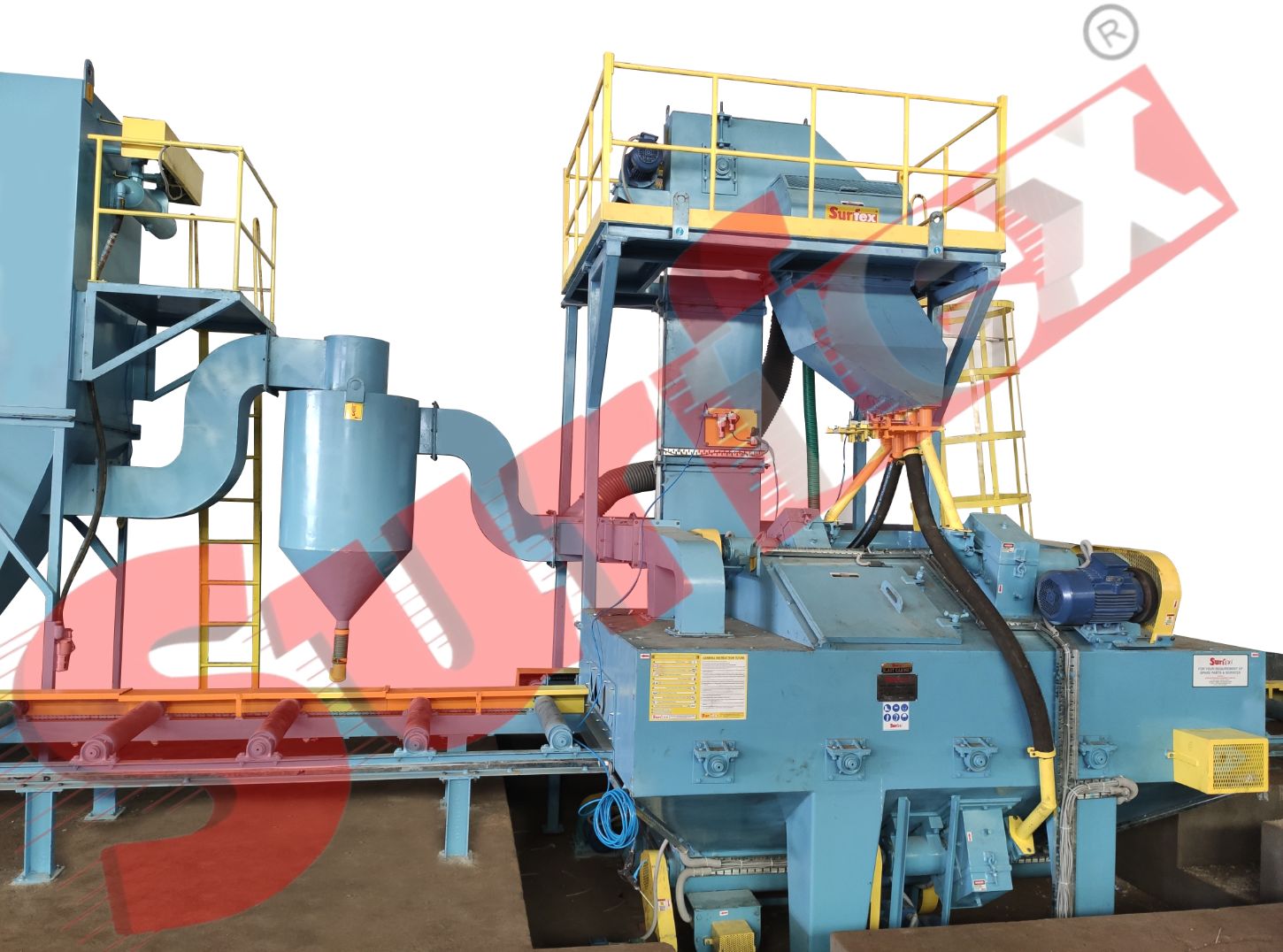
  • Robotic shot peening systems combine advanced robotics, intelligent control systems, automated media handling, sensor technology, and Industry 4.0 integration

    https://sfecindia.net/roller-conveyor-type-shot-blasting-machine.html

    #technology #technologies #shotblastingmachine #socialmedia
    Robotic shot peening systems combine advanced robotics, intelligent control systems, automated media handling, sensor technology, and Industry 4.0 integration https://sfecindia.net/roller-conveyor-type-shot-blasting-machine.html #technology #technologies #shotblastingmachine #socialmedia
    SFECINDIA.NET
    Roller Conveyor Type Shot Blasting Machine | Conveyor Shot Blasting Machine in India – SFECIndia
    Explore high-performance Roller Conveyor Type Shot Blasting Machines by SFEC India. Leading Conveyor Type Shot Blasting Machine and Roller Conveyor Manufacturer in India for steel plates, beams & fabrication components.
    0 Commenti 0 condivisioni 610 Views 0 Anteprima
  • nline Metrology Market: Revolutionizing Quality Control in Smart Manufacturing
    The global Inline Metrology Market is witnessing a transformative shift as industries transition toward Industry 4.0 and autonomous production lines. Unlike traditional offline measurement techniques that require transporting parts to a dedicated climate-controlled room, inline metrology integrates high-precision sensors and scanning systems directly into the assembly line. This integration allows for real-time data acquisition and instantaneous feedback, enabling manufacturers to detect defects or dimensional deviations the moment they occur. The primary drivers behind this market growth include the rising demand for higher throughput, the miniaturization of electronic components, and the stringent quality standards in the aerospace and automotive sectors. By capturing 3D measurements at production speeds, companies can significantly reduce scrap rates, minimize downtime, and ensure that every unit meeting the assembly line adheres to exact specifications.

    Furthermore, the evolution of the Inline Metrology Market is being heavily influenced by advancements in artificial intelligence (AI) and machine learning. Modern inline systems are no longer just measuring tools; they are intelligent data hubs that provide predictive analytics to optimize the entire manufacturing process. As robotic arms equipped with laser scanners and white-light sensors become more sophisticated, the need for human intervention decreases, leading to safer and more efficient shop floors. Geographically, the market is expanding rapidly across Asia-Pacific and North America, fueled by heavy investments in electric vehicle (EV) production and semiconductor fabrication. As the complexity of modern products increases, the reliance on automated, high-speed inspection will continue to position inline metrology as a cornerstone of modern industrial excellence, bridging the gap between high-speed production and uncompromising accuracy. Reference - https://www.marketresearchfuture.com/reports/inline-metrologys-market-10235
    nline Metrology Market: Revolutionizing Quality Control in Smart Manufacturing The global Inline Metrology Market is witnessing a transformative shift as industries transition toward Industry 4.0 and autonomous production lines. Unlike traditional offline measurement techniques that require transporting parts to a dedicated climate-controlled room, inline metrology integrates high-precision sensors and scanning systems directly into the assembly line. This integration allows for real-time data acquisition and instantaneous feedback, enabling manufacturers to detect defects or dimensional deviations the moment they occur. The primary drivers behind this market growth include the rising demand for higher throughput, the miniaturization of electronic components, and the stringent quality standards in the aerospace and automotive sectors. By capturing 3D measurements at production speeds, companies can significantly reduce scrap rates, minimize downtime, and ensure that every unit meeting the assembly line adheres to exact specifications. Furthermore, the evolution of the Inline Metrology Market is being heavily influenced by advancements in artificial intelligence (AI) and machine learning. Modern inline systems are no longer just measuring tools; they are intelligent data hubs that provide predictive analytics to optimize the entire manufacturing process. As robotic arms equipped with laser scanners and white-light sensors become more sophisticated, the need for human intervention decreases, leading to safer and more efficient shop floors. Geographically, the market is expanding rapidly across Asia-Pacific and North America, fueled by heavy investments in electric vehicle (EV) production and semiconductor fabrication. As the complexity of modern products increases, the reliance on automated, high-speed inspection will continue to position inline metrology as a cornerstone of modern industrial excellence, bridging the gap between high-speed production and uncompromising accuracy. Reference - https://www.marketresearchfuture.com/reports/inline-metrologys-market-10235
    WWW.MARKETRESEARCHFUTURE.COM
    Inline Metrology Market Size, Share, Trends, Global Analysis, 2035
    Inline Metrology Market can capitalize with an impressive CAGR of 10.27% and be valued, worth USD 2.16 Billion by 2035, Global Inline Metrology Market Report categorizes the Global Market by Type, by End-Use and Region | Inline Metrology Industry
    0 Commenti 0 condivisioni 2K Views 0 Anteprima
  • In this transformation, shot peening machines are no longer limited to traditional surface treatment—they are becoming highly advanced systems integrated with robotics, data analytics, and Industry 4.0 capabilities.

    https://sfecindia.net/shot-peening-machine.html
    https://sfecindia.net/robotic-shot-peening-machine.html

    #technology #technologies #shotblastingmachine #socialmedia
    In this transformation, shot peening machines are no longer limited to traditional surface treatment—they are becoming highly advanced systems integrated with robotics, data analytics, and Industry 4.0 capabilities. https://sfecindia.net/shot-peening-machine.html https://sfecindia.net/robotic-shot-peening-machine.html #technology #technologies #shotblastingmachine #socialmedia
    SFECINDIA.NET
    Shot Peening Machine Manufacturers | Shot Peening Machine
    Discover Surfex India, leading shot peening machine manufacturers & suppliers in India, offering precision-engineered solutions for automotive, aerospace, and heavy engineering industries.
    0 Commenti 0 condivisioni 770 Views 0 Anteprima
  • According to our latest research, the Global Automatic Tool Offset Compensation market size was valued at $2.1 billion in 2024 and is projected to reach $4.5 billion by 2033, expanding at a CAGR of 8.3% during 2024–2033. The primary factor propelling this robust growth is the accelerating adoption of advanced manufacturing automation across diverse industry verticals, which is driving demand for precise, real-time tool adjustment solutions that minimize downtime and maximize machining accuracy. As manufacturers pursue higher productivity and quality standards, the integration of automatic tool offset compensation systems into CNC machining, milling, turning, and grinding operations is becoming a critical element of Industry 4.0 strategies worldwide.
    https://researchintelo.com/report/automatic-tool-offset-compensation-market
    According to our latest research, the Global Automatic Tool Offset Compensation market size was valued at $2.1 billion in 2024 and is projected to reach $4.5 billion by 2033, expanding at a CAGR of 8.3% during 2024–2033. The primary factor propelling this robust growth is the accelerating adoption of advanced manufacturing automation across diverse industry verticals, which is driving demand for precise, real-time tool adjustment solutions that minimize downtime and maximize machining accuracy. As manufacturers pursue higher productivity and quality standards, the integration of automatic tool offset compensation systems into CNC machining, milling, turning, and grinding operations is becoming a critical element of Industry 4.0 strategies worldwide. https://researchintelo.com/report/automatic-tool-offset-compensation-market
    RESEARCHINTELO.COM
    Automatic Tool Offset Compensation Market Research Report 2033
    According to our latest research, the Global Automatic Tool Offset Compensation market size was valued at $2.1 billion in 2024 and is projected to reach $4.5 billion by 2033, expanding at a CAGR of 8.3% during 2024–2033.
    0 Commenti 0 condivisioni 1K Views 0 Anteprima
  • Industrial Raspberry Pi HATs for Smart Manufacturing Solutions

    Smart manufacturing relies on reliable data and control. Industrial Raspberry Pi HATs enable real-time machine monitoring, data acquisition, and analytics. Their robust construction ensures dependable operation in production environments, supporting Industry 4.0 initiatives.

    https://iotstudioz.com/product-category/raspberry-pi-add-on-boards-hats/
    Industrial Raspberry Pi HATs for Smart Manufacturing Solutions Smart manufacturing relies on reliable data and control. Industrial Raspberry Pi HATs enable real-time machine monitoring, data acquisition, and analytics. Their robust construction ensures dependable operation in production environments, supporting Industry 4.0 initiatives. https://iotstudioz.com/product-category/raspberry-pi-add-on-boards-hats/
    0 Commenti 0 condivisioni 949 Views 0 Anteprima
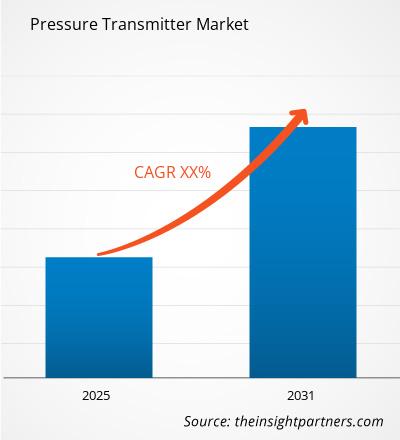
  • Pressure Transmitter Market Report: Unlocking Growth Potential and Addressing Challenges

    United States of America – October 28, 2025 – The Insight Partners is proud to announce its latest market research publication, “Pressure Transmitter Market: An In-depth Analysis.” This comprehensive report provides an all-encompassing overview of the global Pressure Transmitter Market, detailing current industry dynamics, emerging trends, and future growth opportunities expected through the forecast period up to 2031.

    Overview of the Pressure Transmitter Market
    The Pressure Transmitter Market is witnessing significant transformation, driven by rapid industrial automation, increasing focus on process optimization, and stringent safety regulations across industries such as oil & gas, chemical, power generation, water treatment, and pharmaceuticals. Pressure transmitters play a critical role in monitoring and controlling process variables to ensure operational safety, accuracy, and efficiency.

    The shift toward smart sensors, digital communication protocols, and Industrial Internet of Things (IIoT) integration has revolutionized traditional process control systems. Companies are investing in technologically advanced transmitters that provide real-time monitoring, wireless communication, and enhanced diagnostic capabilities. However, challenges such as fluctuating raw material costs, high installation expenses, and complex calibration processes continue to impact market expansion.

    Key Findings and Insights
    Market Size and Growth
    • Historical Data: The Pressure Transmitter Market has experienced steady growth owing to widespread industrialization, increased demand for energy, and growing process automation needs.
    • Forecast Outlook: The market is projected to expand robustly by 2031, propelled by the adoption of smart pressure transmitters and the growing need for reliable process instrumentation.
    • Key Growth Drivers: Emphasis on energy efficiency, predictive maintenance, and environmental compliance are key catalysts for market expansion.


    Key Factors Affecting the Pressure Transmitter Market
    • Industrial Automation: The accelerating trend of digital manufacturing and Industry 4.0 initiatives is fueling demand for smart transmitters that support real-time monitoring and analytics.
    • Technological Advancements: Advancements in wireless pressure transmitters, microelectromechanical systems (MEMS), and AI-based process controls are transforming industrial operations.
    • Regulatory Compliance: Stringent environmental and safety regulations are driving the need for accurate and reliable pressure monitoring in hazardous industries.
    • Infrastructure Modernization: Upgradation of aging infrastructure in sectors like water, oil & gas, and power generation boosts demand for next-generation transmitters.
    • Economic Factors: Market growth is influenced by industrial capital investments, oil price fluctuations, and the global demand for manufactured goods.

    Explore more -
    https://www.theinsightpartners.com/reports/pressure-transmitter-market
    Pressure Transmitter Market Report: Unlocking Growth Potential and Addressing Challenges United States of America – October 28, 2025 – The Insight Partners is proud to announce its latest market research publication, “Pressure Transmitter Market: An In-depth Analysis.” This comprehensive report provides an all-encompassing overview of the global Pressure Transmitter Market, detailing current industry dynamics, emerging trends, and future growth opportunities expected through the forecast period up to 2031. Overview of the Pressure Transmitter Market The Pressure Transmitter Market is witnessing significant transformation, driven by rapid industrial automation, increasing focus on process optimization, and stringent safety regulations across industries such as oil & gas, chemical, power generation, water treatment, and pharmaceuticals. Pressure transmitters play a critical role in monitoring and controlling process variables to ensure operational safety, accuracy, and efficiency. The shift toward smart sensors, digital communication protocols, and Industrial Internet of Things (IIoT) integration has revolutionized traditional process control systems. Companies are investing in technologically advanced transmitters that provide real-time monitoring, wireless communication, and enhanced diagnostic capabilities. However, challenges such as fluctuating raw material costs, high installation expenses, and complex calibration processes continue to impact market expansion. Key Findings and Insights Market Size and Growth • Historical Data: The Pressure Transmitter Market has experienced steady growth owing to widespread industrialization, increased demand for energy, and growing process automation needs. • Forecast Outlook: The market is projected to expand robustly by 2031, propelled by the adoption of smart pressure transmitters and the growing need for reliable process instrumentation. • Key Growth Drivers: Emphasis on energy efficiency, predictive maintenance, and environmental compliance are key catalysts for market expansion. Key Factors Affecting the Pressure Transmitter Market • Industrial Automation: The accelerating trend of digital manufacturing and Industry 4.0 initiatives is fueling demand for smart transmitters that support real-time monitoring and analytics. • Technological Advancements: Advancements in wireless pressure transmitters, microelectromechanical systems (MEMS), and AI-based process controls are transforming industrial operations. • Regulatory Compliance: Stringent environmental and safety regulations are driving the need for accurate and reliable pressure monitoring in hazardous industries. • Infrastructure Modernization: Upgradation of aging infrastructure in sectors like water, oil & gas, and power generation boosts demand for next-generation transmitters. • Economic Factors: Market growth is influenced by industrial capital investments, oil price fluctuations, and the global demand for manufactured goods. Explore more - https://www.theinsightpartners.com/reports/pressure-transmitter-market
    WWW.THEINSIGHTPARTNERS.COM
    Pressure Transmitter Market: Size, Share, and Growth Analysis by 2031
    According to New Research Pressure Transmitter Market is Growing at high CAGR with detailed analysis of drivers, and challenges by 2031: Download Sample PDF
    0 Commenti 0 condivisioni 6K Views 0 Anteprima
  • Hydraulic Equipment Market Report: Unlocking Growth Potential and Addressing Challenges
    United States of America – October 3, 2025 – The Insight Partners is proud to announce the release of its latest research publication titled, “Hydraulic Equipment Market: An In-depth Analysis of the Global Industry Trends, Share, Size, Growth, Opportunity, and Forecast 2023–2031.” This comprehensive report offers valuable insights into the global Hydraulic Equipment Market, examining the present landscape and forecasting future trends through the end of the decade.
    ________________________________________
    Overview of the Hydraulic Equipment Market
    The Hydraulic Equipment Market is undergoing a transformative phase, driven by rapid industrialization, infrastructure development, and advances in fluid power technologies. Demand is rising across industries such as construction, mining, agriculture, aerospace, and manufacturing. This report highlights the evolving dynamics of the market, shaped by automation trends, regulatory shifts, and the push for energy-efficient systems.
    ________________________________________
    Key Findings and Insights
    Market Size and Growth
    • Historical Data & Forecast:
    The global Hydraulic Equipment Market is projected to reach US$ 61.4 billion by 2031, growing at a CAGR of 5.6% from 2023 to 2031. Growth is primarily driven by increased demand for heavy machinery, modernization of agriculture, and expansion in material handling and logistics.
    • Key Factors Influencing Market Growth:
    o Rising infrastructure and construction activities in emerging economies
    o Growing automation in industrial processes
    o Adoption of energy-efficient hydraulic systems
    o Increasing use of hydraulic equipment in renewable energy projects (e.g., wind turbines)
    o Volatility in raw material prices and maintenance challenges as potential restraints
    ________________________________________
    Market Segmentation
    • By Product Type:
    o Pumps
    o Motors
    o Valves
    o Cylinders
    o Filters
    o Accumulators
    • By Application:
    o Mobile (Construction, Agriculture, Mining)
    o Industrial (Manufacturing, Marine, Aerospace)
    • By End User:
    o Construction
    o Oil & Gas
    o Agriculture
    o Automotive
    o Aerospace
    o Industrial Machinery
    • By Geography:
    o North America
    o Europe
    o Asia Pacific
    o Latin America
    o Middle East & Africa
    ________________________________________
    Spotting Emerging Trends
    • Technological Advancements:
    Advancements such as electro-hydraulic systems, smart hydraulic actuators, and predictive maintenance sensors are reshaping how hydraulic equipment is used in modern machinery.
    • Changing Consumer Preferences:
    Users are shifting toward compact, low-noise, and energy-efficient systems. There is growing demand for integrated solutions that reduce downtime and enhance performance in mobile and stationary equipment.
    • Regulatory Changes:
    Stringent environmental and safety regulations are pushing manufacturers to design systems that comply with ISO energy-efficiency standards and reduce fluid leakage and energy consumption.
    ________________________________________
    Growth Opportunities
    The Hydraulic Equipment Market offers substantial growth opportunities, including:
    • Infrastructure Expansion: Massive infrastructure projects in countries like India, China, and the Middle East are fueling demand for hydraulic machinery.
    • Electrification and Hybrid Systems: Integration of electric and hydraulic systems in construction and agricultural machinery is creating new product categories.
    • Aftermarket Services: The growing installed base of hydraulic systems is driving demand for spare parts, maintenance, and service contracts.
    • Automation and Industry 4.0: Smart hydraulic systems integrated with IoT and cloud-based diagnostics are enhancing productivity and enabling remote monitoring.
    • Aerospace and Defense: Hydraulic systems remain critical in aircraft and defense vehicles, offering long-term growth potential with increasing global defense budgets.
    ________________________________________
    Conclusion
    The Hydraulic Equipment Market: Global Industry Trends, Share, Size, Growth, Opportunity, and Forecast 2023–2031 report delivers a comprehensive analysis for industry players, investors, and policymakers. With industrial automation, infrastructure development, and smart machinery adoption on the rise, the hydraulic equipment industry is poised for sustained growth and innovation across multiple sectors worldwide.
    Hydraulic Equipment Market Report: Unlocking Growth Potential and Addressing Challenges United States of America – October 3, 2025 – The Insight Partners is proud to announce the release of its latest research publication titled, “Hydraulic Equipment Market: An In-depth Analysis of the Global Industry Trends, Share, Size, Growth, Opportunity, and Forecast 2023–2031.” This comprehensive report offers valuable insights into the global Hydraulic Equipment Market, examining the present landscape and forecasting future trends through the end of the decade. ________________________________________ Overview of the Hydraulic Equipment Market The Hydraulic Equipment Market is undergoing a transformative phase, driven by rapid industrialization, infrastructure development, and advances in fluid power technologies. Demand is rising across industries such as construction, mining, agriculture, aerospace, and manufacturing. This report highlights the evolving dynamics of the market, shaped by automation trends, regulatory shifts, and the push for energy-efficient systems. ________________________________________ Key Findings and Insights Market Size and Growth • Historical Data & Forecast: The global Hydraulic Equipment Market is projected to reach US$ 61.4 billion by 2031, growing at a CAGR of 5.6% from 2023 to 2031. Growth is primarily driven by increased demand for heavy machinery, modernization of agriculture, and expansion in material handling and logistics. • Key Factors Influencing Market Growth: o Rising infrastructure and construction activities in emerging economies o Growing automation in industrial processes o Adoption of energy-efficient hydraulic systems o Increasing use of hydraulic equipment in renewable energy projects (e.g., wind turbines) o Volatility in raw material prices and maintenance challenges as potential restraints ________________________________________ Market Segmentation • By Product Type: o Pumps o Motors o Valves o Cylinders o Filters o Accumulators • By Application: o Mobile (Construction, Agriculture, Mining) o Industrial (Manufacturing, Marine, Aerospace) • By End User: o Construction o Oil & Gas o Agriculture o Automotive o Aerospace o Industrial Machinery • By Geography: o North America o Europe o Asia Pacific o Latin America o Middle East & Africa ________________________________________ Spotting Emerging Trends • Technological Advancements: Advancements such as electro-hydraulic systems, smart hydraulic actuators, and predictive maintenance sensors are reshaping how hydraulic equipment is used in modern machinery. • Changing Consumer Preferences: Users are shifting toward compact, low-noise, and energy-efficient systems. There is growing demand for integrated solutions that reduce downtime and enhance performance in mobile and stationary equipment. • Regulatory Changes: Stringent environmental and safety regulations are pushing manufacturers to design systems that comply with ISO energy-efficiency standards and reduce fluid leakage and energy consumption. ________________________________________ Growth Opportunities The Hydraulic Equipment Market offers substantial growth opportunities, including: • Infrastructure Expansion: Massive infrastructure projects in countries like India, China, and the Middle East are fueling demand for hydraulic machinery. • Electrification and Hybrid Systems: Integration of electric and hydraulic systems in construction and agricultural machinery is creating new product categories. • Aftermarket Services: The growing installed base of hydraulic systems is driving demand for spare parts, maintenance, and service contracts. • Automation and Industry 4.0: Smart hydraulic systems integrated with IoT and cloud-based diagnostics are enhancing productivity and enabling remote monitoring. • Aerospace and Defense: Hydraulic systems remain critical in aircraft and defense vehicles, offering long-term growth potential with increasing global defense budgets. ________________________________________ Conclusion The Hydraulic Equipment Market: Global Industry Trends, Share, Size, Growth, Opportunity, and Forecast 2023–2031 report delivers a comprehensive analysis for industry players, investors, and policymakers. With industrial automation, infrastructure development, and smart machinery adoption on the rise, the hydraulic equipment industry is poised for sustained growth and innovation across multiple sectors worldwide.
    0 Commenti 0 condivisioni 7K Views 0 Anteprima
  • Motion Controller Market Report: Unlocking Growth Potential and Addressing Challenges
    United States of America – [30-9-2025] – The Insight Partners is proud to announce its newest market report, "Motion Controller Market: An In-depth Analysis of the Motion Controller Market." The report provides a holistic view of the Motion Controller Market and describes the current scenario as well as growth estimates during the forecast period.
    ________________________________________
    Overview of Motion Controller Market
    The Motion Controller Market has undergone significant transformation in recent years owing to the rapid adoption of industrial automation, robotics, and precision control systems. Motion controllers are integral components in manufacturing, packaging, semiconductor, healthcare, and automotive industries, as they enable high accuracy, efficiency, and speed in operations. The market is expanding due to advances in servo drives, integration with IoT, and the rising need for energy-efficient, smart factory solutions.
    ________________________________________
    Key Findings and Insights
    Market Size and Growth
    • Motion Controller Market is expected to register a CAGR of 4.6% from 2025 to 2031
    • Key Factors Affecting the Market:
    o Rising demand for industrial automation and robotics.
    o Growth in semiconductor and electronics manufacturing.
    o Advancements in control algorithms and integration with AI/IoT.
    o Increased demand for energy-efficient motion systems.
    o Expansion of healthcare equipment and packaging machinery markets.
    ________________________________________
    Market Segmentation
    • By Type: PLC-based motion controllers, Standalone motion controllers, PC-based motion controllers.
    • By Axis Type: Single-axis, Multi-axis (2-axis to 6-axis, above 6-axis).
    • By Application: Packaging & Labelling, Robotics, Semiconductor & Electronics, Machine Tools, Healthcare & Medical Devices, and Others.
    • By Industry Vertical: Automotive, Aerospace & Defense, Electronics & Semiconductor, Healthcare, Food & Beverage, Energy & Utilities, and Industrial Machinery.
    • By Region: North America, Europe, Asia-Pacific, Middle East & Africa, and Latin America.
    ________________________________________
    Spotting Emerging Trends
    • Technological Advancements: Integration of IoT-enabled controllers, real-time data analytics, AI-driven predictive maintenance, and advancements in servo/drive technology.
    • Changing Consumer Preferences: Rising demand for compact, cost-effective controllers for SMEs, preference for plug-and-play systems, and increasing adoption of user-friendly programming interfaces.
    • Regulatory Changes: Implementation of global safety standards for industrial automation, energy efficiency regulations, and stricter compliance in industries like healthcare and food & beverage driving adoption of advanced motion control solutions.
    ________________________________________
    Growth Opportunities
    • Rising adoption of collaborative robots (cobots) in manufacturing and logistics.
    • Expanding demand for motion controllers in renewable energy applications (e.g., solar tracking systems, wind turbines).
    • Increasing penetration of automation in emerging economies, particularly in Asia-Pacific.
    • Integration with Industry 4.0 and smart factory initiatives.
    • Growing demand in the medical device sector for precision-driven equipment like surgical robots and diagnostic machines.
    ________________________________________
    Conclusion
    The Motion Controller Market: Global Industry Trends, Share, Size, Growth, Opportunity, and Forecast 2023–2031 report offers essential insights for companies aiming to establish or expand their presence in this sector. With automation, robotics, and AI reshaping the industrial landscape, the Motion Controller Market is expected to witness strong, sustained growth across industries worldwide.
    Motion Controller Market Report: Unlocking Growth Potential and Addressing Challenges United States of America – [30-9-2025] – The Insight Partners is proud to announce its newest market report, "Motion Controller Market: An In-depth Analysis of the Motion Controller Market." The report provides a holistic view of the Motion Controller Market and describes the current scenario as well as growth estimates during the forecast period. ________________________________________ Overview of Motion Controller Market The Motion Controller Market has undergone significant transformation in recent years owing to the rapid adoption of industrial automation, robotics, and precision control systems. Motion controllers are integral components in manufacturing, packaging, semiconductor, healthcare, and automotive industries, as they enable high accuracy, efficiency, and speed in operations. The market is expanding due to advances in servo drives, integration with IoT, and the rising need for energy-efficient, smart factory solutions. ________________________________________ Key Findings and Insights Market Size and Growth • Motion Controller Market is expected to register a CAGR of 4.6% from 2025 to 2031 • Key Factors Affecting the Market: o Rising demand for industrial automation and robotics. o Growth in semiconductor and electronics manufacturing. o Advancements in control algorithms and integration with AI/IoT. o Increased demand for energy-efficient motion systems. o Expansion of healthcare equipment and packaging machinery markets. ________________________________________ Market Segmentation • By Type: PLC-based motion controllers, Standalone motion controllers, PC-based motion controllers. • By Axis Type: Single-axis, Multi-axis (2-axis to 6-axis, above 6-axis). • By Application: Packaging & Labelling, Robotics, Semiconductor & Electronics, Machine Tools, Healthcare & Medical Devices, and Others. • By Industry Vertical: Automotive, Aerospace & Defense, Electronics & Semiconductor, Healthcare, Food & Beverage, Energy & Utilities, and Industrial Machinery. • By Region: North America, Europe, Asia-Pacific, Middle East & Africa, and Latin America. ________________________________________ Spotting Emerging Trends • Technological Advancements: Integration of IoT-enabled controllers, real-time data analytics, AI-driven predictive maintenance, and advancements in servo/drive technology. • Changing Consumer Preferences: Rising demand for compact, cost-effective controllers for SMEs, preference for plug-and-play systems, and increasing adoption of user-friendly programming interfaces. • Regulatory Changes: Implementation of global safety standards for industrial automation, energy efficiency regulations, and stricter compliance in industries like healthcare and food & beverage driving adoption of advanced motion control solutions. ________________________________________ Growth Opportunities • Rising adoption of collaborative robots (cobots) in manufacturing and logistics. • Expanding demand for motion controllers in renewable energy applications (e.g., solar tracking systems, wind turbines). • Increasing penetration of automation in emerging economies, particularly in Asia-Pacific. • Integration with Industry 4.0 and smart factory initiatives. • Growing demand in the medical device sector for precision-driven equipment like surgical robots and diagnostic machines. ________________________________________ Conclusion The Motion Controller Market: Global Industry Trends, Share, Size, Growth, Opportunity, and Forecast 2023–2031 report offers essential insights for companies aiming to establish or expand their presence in this sector. With automation, robotics, and AI reshaping the industrial landscape, the Motion Controller Market is expected to witness strong, sustained growth across industries worldwide.
    0 Commenti 0 condivisioni 8K Views 0 Anteprima
JogaJog https://jogajog.com.bd