• How Vision Analytics Improve Long-Term Eye Health Monitoring
    The Shift from One-Time Exams to Continuous Eye Care

    Eye health is dynamic and changes gradually over time due to aging, lifestyle habits, digital screen exposure, and systemic health conditions. Traditionally, eye care focused on isolated examinations conducted months or years apart. While useful, this approach often fails to capture subtle trends that signal early vision deterioration.

    Vision analytics has transformed this model by enabling long-term eye health monitoring through consistent data collection and analysis. Instead of isolated snapshots, clinicians now have access to evolving visual health patterns that support preventive and personalized care.

    Understanding Vision Analytics in Eye Care

    Vision analytics refers to the systematic collection, comparison, and interpretation of visual measurement data across multiple visits. It combines diagnostic measurements with digital tracking to identify changes, trends, and potential risks in a patient’s vision over time.

    By analyzing historical data rather than relying on single exam results, clinicians can better understand how a patient’s vision is progressing and intervene at the right time.

    The Importance of Consistent Data Collection

    Accurate long-term monitoring depends on consistency. Measurements must be taken using standardized methods to ensure meaningful comparisons between visits. Vision analytics relies on repeatable data to track even small changes that might otherwise go unnoticed.

    Consistent measurement protocols reduce variability and improve the reliability of long-term monitoring, allowing clinicians to make confident decisions based on trends rather than assumptions.

    Early Detection Through Data-Driven Insights

    One of the greatest benefits of vision analytics is early detection. Subtle shifts in refractive values or visual performance may not immediately affect daily life, but they often signal future problems.

    By identifying gradual changes early, clinicians can recommend timely interventions, such as prescription adjustments or lifestyle guidance. Early detection helps prevent discomfort, reduces the risk of worsening vision, and supports better long-term outcomes.

    Supporting Preventive Eye Care Strategies

    Preventive care is becoming a priority in modern healthcare, and eye care is no exception. Vision analytics supports preventive strategies by highlighting patterns that indicate increased risk of vision decline.

    With access to long-term data, clinicians can schedule appropriate follow-ups, recommend protective measures, and guide patients toward habits that support sustained eye health.

    Enhancing Accuracy with Objective Measurements

    Reliable analytics depend on accurate data. Objective diagnostic tools play a crucial role in ensuring measurement precision across multiple visits. The use of technologies such as an automatic refractometer provides consistent baseline measurements that strengthen the accuracy of long-term analysis.

    Objective data minimizes the influence of patient fatigue or subjective interpretation, making trend analysis more dependable.

    Improving Clinical Decision-Making Over Time

    Vision analytics empowers clinicians with evidence-based insights. Instead of relying solely on patient-reported symptoms, clinicians can reference historical data to validate changes and make informed decisions.

    This approach improves confidence when adjusting prescriptions, recommending interventions, or determining follow-up intervals. Data-backed decisions lead to more predictable and effective care outcomes.

    Personalizing Eye Health Monitoring

    Every patient experiences vision changes differently. Vision analytics allows clinicians to tailor monitoring plans based on individual trends rather than generalized schedules.

    Some patients may require more frequent monitoring, while others may remain stable over longer periods. Personalized care plans improve efficiency and ensure that attention is focused where it is most needed.

    Enhancing Patient Engagement and Awareness

    Patients are more likely to engage in their care when they understand their eye health status. Vision analytics makes it easier to explain changes using visual data and trend comparisons.

    When patients see how their vision has evolved over time, they gain a clearer understanding of the importance of regular check-ups and adherence to recommendations. Increased awareness leads to better cooperation and long-term compliance.

    Supporting Management of Progressive Vision Changes

    Certain vision conditions involve gradual progression that requires close monitoring. Vision analytics enables clinicians to track progression accurately and respond proactively.

    Reliable long-term data helps identify when changes exceed normal variation, prompting timely clinical action and reducing the risk of delayed intervention.

    Integrating Analytics into Modern Practice Workflows

    Modern eye care practices increasingly rely on digital systems for record-keeping and analysis. Vision analytics integrates seamlessly into these workflows, enabling efficient data storage and retrieval.

    Easy access to historical data improves continuity of care, especially when patients are seen by different clinicians or across multiple locations.

    Preparing Eye Care for the Future

    The future of eye care lies in data-driven, preventive, and personalized approaches. Vision analytics aligns with this direction by enabling long-term monitoring and early intervention.

    Practices that adopt analytics-focused strategies are better equipped to meet evolving patient expectations and deliver consistent, high-quality care.

    Conclusion

    Vision analytics plays a vital role in improving long-term eye health monitoring by enabling consistent data tracking, early detection of changes, and personalized care planning. Through objective measurements, trend analysis, and data-driven insights, clinicians can move beyond one-time assessments toward proactive and preventive eye care. As eye health demands continue to evolve, vision analytics will remain a cornerstone of effective, future-ready vision care practices.

    Visit website : https://matronix.in/automatic-refractometer.html
    How Vision Analytics Improve Long-Term Eye Health Monitoring The Shift from One-Time Exams to Continuous Eye Care Eye health is dynamic and changes gradually over time due to aging, lifestyle habits, digital screen exposure, and systemic health conditions. Traditionally, eye care focused on isolated examinations conducted months or years apart. While useful, this approach often fails to capture subtle trends that signal early vision deterioration. Vision analytics has transformed this model by enabling long-term eye health monitoring through consistent data collection and analysis. Instead of isolated snapshots, clinicians now have access to evolving visual health patterns that support preventive and personalized care. Understanding Vision Analytics in Eye Care Vision analytics refers to the systematic collection, comparison, and interpretation of visual measurement data across multiple visits. It combines diagnostic measurements with digital tracking to identify changes, trends, and potential risks in a patient’s vision over time. By analyzing historical data rather than relying on single exam results, clinicians can better understand how a patient’s vision is progressing and intervene at the right time. The Importance of Consistent Data Collection Accurate long-term monitoring depends on consistency. Measurements must be taken using standardized methods to ensure meaningful comparisons between visits. Vision analytics relies on repeatable data to track even small changes that might otherwise go unnoticed. Consistent measurement protocols reduce variability and improve the reliability of long-term monitoring, allowing clinicians to make confident decisions based on trends rather than assumptions. Early Detection Through Data-Driven Insights One of the greatest benefits of vision analytics is early detection. Subtle shifts in refractive values or visual performance may not immediately affect daily life, but they often signal future problems. By identifying gradual changes early, clinicians can recommend timely interventions, such as prescription adjustments or lifestyle guidance. Early detection helps prevent discomfort, reduces the risk of worsening vision, and supports better long-term outcomes. Supporting Preventive Eye Care Strategies Preventive care is becoming a priority in modern healthcare, and eye care is no exception. Vision analytics supports preventive strategies by highlighting patterns that indicate increased risk of vision decline. With access to long-term data, clinicians can schedule appropriate follow-ups, recommend protective measures, and guide patients toward habits that support sustained eye health. Enhancing Accuracy with Objective Measurements Reliable analytics depend on accurate data. Objective diagnostic tools play a crucial role in ensuring measurement precision across multiple visits. The use of technologies such as an automatic refractometer provides consistent baseline measurements that strengthen the accuracy of long-term analysis. Objective data minimizes the influence of patient fatigue or subjective interpretation, making trend analysis more dependable. Improving Clinical Decision-Making Over Time Vision analytics empowers clinicians with evidence-based insights. Instead of relying solely on patient-reported symptoms, clinicians can reference historical data to validate changes and make informed decisions. This approach improves confidence when adjusting prescriptions, recommending interventions, or determining follow-up intervals. Data-backed decisions lead to more predictable and effective care outcomes. Personalizing Eye Health Monitoring Every patient experiences vision changes differently. Vision analytics allows clinicians to tailor monitoring plans based on individual trends rather than generalized schedules. Some patients may require more frequent monitoring, while others may remain stable over longer periods. Personalized care plans improve efficiency and ensure that attention is focused where it is most needed. Enhancing Patient Engagement and Awareness Patients are more likely to engage in their care when they understand their eye health status. Vision analytics makes it easier to explain changes using visual data and trend comparisons. When patients see how their vision has evolved over time, they gain a clearer understanding of the importance of regular check-ups and adherence to recommendations. Increased awareness leads to better cooperation and long-term compliance. Supporting Management of Progressive Vision Changes Certain vision conditions involve gradual progression that requires close monitoring. Vision analytics enables clinicians to track progression accurately and respond proactively. Reliable long-term data helps identify when changes exceed normal variation, prompting timely clinical action and reducing the risk of delayed intervention. Integrating Analytics into Modern Practice Workflows Modern eye care practices increasingly rely on digital systems for record-keeping and analysis. Vision analytics integrates seamlessly into these workflows, enabling efficient data storage and retrieval. Easy access to historical data improves continuity of care, especially when patients are seen by different clinicians or across multiple locations. Preparing Eye Care for the Future The future of eye care lies in data-driven, preventive, and personalized approaches. Vision analytics aligns with this direction by enabling long-term monitoring and early intervention. Practices that adopt analytics-focused strategies are better equipped to meet evolving patient expectations and deliver consistent, high-quality care. Conclusion Vision analytics plays a vital role in improving long-term eye health monitoring by enabling consistent data tracking, early detection of changes, and personalized care planning. Through objective measurements, trend analysis, and data-driven insights, clinicians can move beyond one-time assessments toward proactive and preventive eye care. As eye health demands continue to evolve, vision analytics will remain a cornerstone of effective, future-ready vision care practices. Visit website : https://matronix.in/automatic-refractometer.html
    MATRONIX.IN
    Auto Refractometer | Matronix
    Choose the right auto refractometer for your clinic or optical shop from Matronix Optotechnik. We offer affordable pricing, expert guidance, and timely delivery across India, making it simple to purchase high-quality autorefractometers online for your eye care practice.
    0 Comments 0 Shares 2K Views 0 Reviews
  • Automotive Artificial Intelligence Market: Unlocking Growth Potential and Addressing Challenges

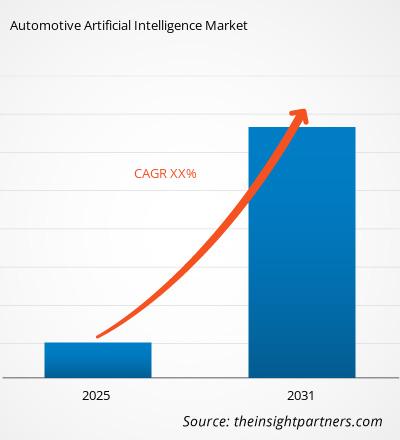
    United States of America – October 15, 2025 — The Insight Partners is proud to announce its newest market report, "Automotive Artificial Intelligence Market: An In-depth Analysis of the Automotive AI Market (2024–2031)". The report provides a holistic view of the automotive artificial intelligence market and describes the current scenario as well as growth estimates during the forecast period.
    ________________________________________
    Overview of Automotive Artificial Intelligence Market
    The automotive artificial intelligence (AI) market has emerged as one of the most transformative forces in the global automotive industry. Driven by the integration of advanced machine learning, computer vision, and natural language processing technologies, AI is revolutionizing vehicle design, manufacturing, and driving experience. From autonomous driving and driver-assistance systems to predictive maintenance and smart infotainment, AI has become the cornerstone of next-generation mobility solutions.
    Rising consumer demand for safer, more efficient, and intelligent vehicles, coupled with regulatory support for advanced driver-assistance systems (ADAS), continues to propel the market forward. Automakers and tech giants are investing heavily in AI-driven mobility ecosystems to gain a competitive advantage.
    ________________________________________
    Key Findings and Insights
    Market Size and Growth
    • Key Factors Affecting the Automotive AI Market:
    o Growing adoption of autonomous and semi-autonomous vehicles.
    o Integration of AI in advanced driver-assistance systems (ADAS) and vehicle safety features.
    o Expansion of connected car ecosystems and 5G infrastructure.
    o Increasing demand for predictive analytics in vehicle maintenance and fleet management.
    o Strategic partnerships between automakers and AI technology providers.
    ________________________________________
    Market Segmentation
    Segmentation Criteria:
    1. By Component:
    o Hardware (Microprocessors, GPUs, ASICs, FPGAs)
    o Software (AI platforms, frameworks, tools)
    o Services (Data training, integration, and support)
    2. By Technology:
    o Machine Learning & Deep Learning
    o Computer Vision
    o Natural Language Processing
    3. By Application:
    o Autonomous Driving
    o Human–Machine Interface (Voice & Gesture Recognition)
    o Driver Assistance Systems (ADAS)
    o Predictive Maintenance
    o Fleet & Traffic Management
    o Vehicle Manufacturing & Design Optimization
    4. By Vehicle Type:
    o Passenger Cars
    o Commercial Vehicles
    5. By Geography:
    o North America
    o Europe
    o Asia-Pacific
    o Middle East & Africa
    o Latin America
    ________________________________________
    Spotting Emerging Trends
    Technological Advancements
    • Rapid integration of AI-powered vision systems for object detection, collision avoidance, and lane-keeping assistance.
    • Deployment of edge AI chips to process real-time data within vehicles, minimizing latency.
    • Evolution of AI-driven infotainment systems enabling personalized user experiences.
    • Development of neural network accelerators and AI co-processors for faster decision-making in autonomous driving.
    Changing Consumer Preferences
    • Rising preference for vehicles equipped with smart assistants, driver monitoring, and self-learning navigation systems.
    • Growing demand for connected, self-diagnosing vehicles offering enhanced safety and convenience.
    • Shift toward mobility-as-a-service (MaaS) solutions powered by AI for shared and sustainable transportation.
    Regulatory Changes
    • Implementation of safety mandates and autonomous vehicle testing guidelines by agencies such as NHTSA and the EU Commission.
    • Incentives for EVs integrated with AI-based energy optimization systems.
    • Global initiatives promoting ethical AI and data privacy compliance in smart mobility ecosystems.
    ________________________________________
    Growth Opportunities
    1. Expansion of Autonomous Vehicle Programs:
    Rising investment in Level 3 and Level 4 autonomous driving systems by OEMs and tech companies presents major growth opportunities.
    2. AI in Electric Vehicles (EVs):
    Integration of AI to optimize battery performance, charging patterns, and energy efficiency offers new revenue potential.
    3. Smart Manufacturing and Predictive Quality Control:
    AI-driven automation in automotive manufacturing is enhancing production efficiency and reducing operational costs.
    4. Fleet Analytics and Predictive Maintenance:
    Fleet operators adopting AI for vehicle health monitoring and route optimization will drive the commercial vehicle segment.
    5. Partnerships and Data Monetization:
    Collaboration between automakers, AI developers, and cloud service providers can create scalable, data-driven ecosystems for connected mobility.
    ________________________________________
    Conclusion
    The Automotive Artificial Intelligence Market: Global Industry Trends, Share, Size, Growth, Opportunity, and Forecast 2024–2031 report delivers crucial insights for stakeholders aiming to capitalize on the AI revolution in the automotive industry. The market’s growth is underpinned by rising adoption of autonomous driving, vehicle connectivity, and predictive intelligence solutions. Companies that invest in ethical AI frameworks, real-time data analytics, and cross-industry partnerships will lead the transformation toward intelligent, autonomous, and sustainable mobility.

    https://www.theinsightpartners.com/reports/automotive-artificial-intelligence-market

    Automotive Artificial Intelligence Market: Unlocking Growth Potential and Addressing Challenges United States of America – October 15, 2025 — The Insight Partners is proud to announce its newest market report, "Automotive Artificial Intelligence Market: An In-depth Analysis of the Automotive AI Market (2024–2031)". The report provides a holistic view of the automotive artificial intelligence market and describes the current scenario as well as growth estimates during the forecast period. ________________________________________ Overview of Automotive Artificial Intelligence Market The automotive artificial intelligence (AI) market has emerged as one of the most transformative forces in the global automotive industry. Driven by the integration of advanced machine learning, computer vision, and natural language processing technologies, AI is revolutionizing vehicle design, manufacturing, and driving experience. From autonomous driving and driver-assistance systems to predictive maintenance and smart infotainment, AI has become the cornerstone of next-generation mobility solutions. Rising consumer demand for safer, more efficient, and intelligent vehicles, coupled with regulatory support for advanced driver-assistance systems (ADAS), continues to propel the market forward. Automakers and tech giants are investing heavily in AI-driven mobility ecosystems to gain a competitive advantage. ________________________________________ Key Findings and Insights Market Size and Growth • Key Factors Affecting the Automotive AI Market: o Growing adoption of autonomous and semi-autonomous vehicles. o Integration of AI in advanced driver-assistance systems (ADAS) and vehicle safety features. o Expansion of connected car ecosystems and 5G infrastructure. o Increasing demand for predictive analytics in vehicle maintenance and fleet management. o Strategic partnerships between automakers and AI technology providers. ________________________________________ Market Segmentation Segmentation Criteria: 1. By Component: o Hardware (Microprocessors, GPUs, ASICs, FPGAs) o Software (AI platforms, frameworks, tools) o Services (Data training, integration, and support) 2. By Technology: o Machine Learning & Deep Learning o Computer Vision o Natural Language Processing 3. By Application: o Autonomous Driving o Human–Machine Interface (Voice & Gesture Recognition) o Driver Assistance Systems (ADAS) o Predictive Maintenance o Fleet & Traffic Management o Vehicle Manufacturing & Design Optimization 4. By Vehicle Type: o Passenger Cars o Commercial Vehicles 5. By Geography: o North America o Europe o Asia-Pacific o Middle East & Africa o Latin America ________________________________________ Spotting Emerging Trends Technological Advancements • Rapid integration of AI-powered vision systems for object detection, collision avoidance, and lane-keeping assistance. • Deployment of edge AI chips to process real-time data within vehicles, minimizing latency. • Evolution of AI-driven infotainment systems enabling personalized user experiences. • Development of neural network accelerators and AI co-processors for faster decision-making in autonomous driving. Changing Consumer Preferences • Rising preference for vehicles equipped with smart assistants, driver monitoring, and self-learning navigation systems. • Growing demand for connected, self-diagnosing vehicles offering enhanced safety and convenience. • Shift toward mobility-as-a-service (MaaS) solutions powered by AI for shared and sustainable transportation. Regulatory Changes • Implementation of safety mandates and autonomous vehicle testing guidelines by agencies such as NHTSA and the EU Commission. • Incentives for EVs integrated with AI-based energy optimization systems. • Global initiatives promoting ethical AI and data privacy compliance in smart mobility ecosystems. ________________________________________ Growth Opportunities 1. Expansion of Autonomous Vehicle Programs: Rising investment in Level 3 and Level 4 autonomous driving systems by OEMs and tech companies presents major growth opportunities. 2. AI in Electric Vehicles (EVs): Integration of AI to optimize battery performance, charging patterns, and energy efficiency offers new revenue potential. 3. Smart Manufacturing and Predictive Quality Control: AI-driven automation in automotive manufacturing is enhancing production efficiency and reducing operational costs. 4. Fleet Analytics and Predictive Maintenance: Fleet operators adopting AI for vehicle health monitoring and route optimization will drive the commercial vehicle segment. 5. Partnerships and Data Monetization: Collaboration between automakers, AI developers, and cloud service providers can create scalable, data-driven ecosystems for connected mobility. ________________________________________ Conclusion The Automotive Artificial Intelligence Market: Global Industry Trends, Share, Size, Growth, Opportunity, and Forecast 2024–2031 report delivers crucial insights for stakeholders aiming to capitalize on the AI revolution in the automotive industry. The market’s growth is underpinned by rising adoption of autonomous driving, vehicle connectivity, and predictive intelligence solutions. Companies that invest in ethical AI frameworks, real-time data analytics, and cross-industry partnerships will lead the transformation toward intelligent, autonomous, and sustainable mobility. https://www.theinsightpartners.com/reports/automotive-artificial-intelligence-market

    WWW.THEINSIGHTPARTNERS.COM
    Automotive Artificial Intelligence Market Growth, Trends by 2031
    Explore the Automotive Artificial Intelligence Market detailed report with understand of key segments, growth drivers, challenges, and opportunities from 2021-2031
    0 Comments 0 Shares 7K Views 0 Reviews
JogaJog https://jogajog.com.bd