



 Downloader
 Free FTP
How Are Smart Technologies Improving Commercial Elevators?
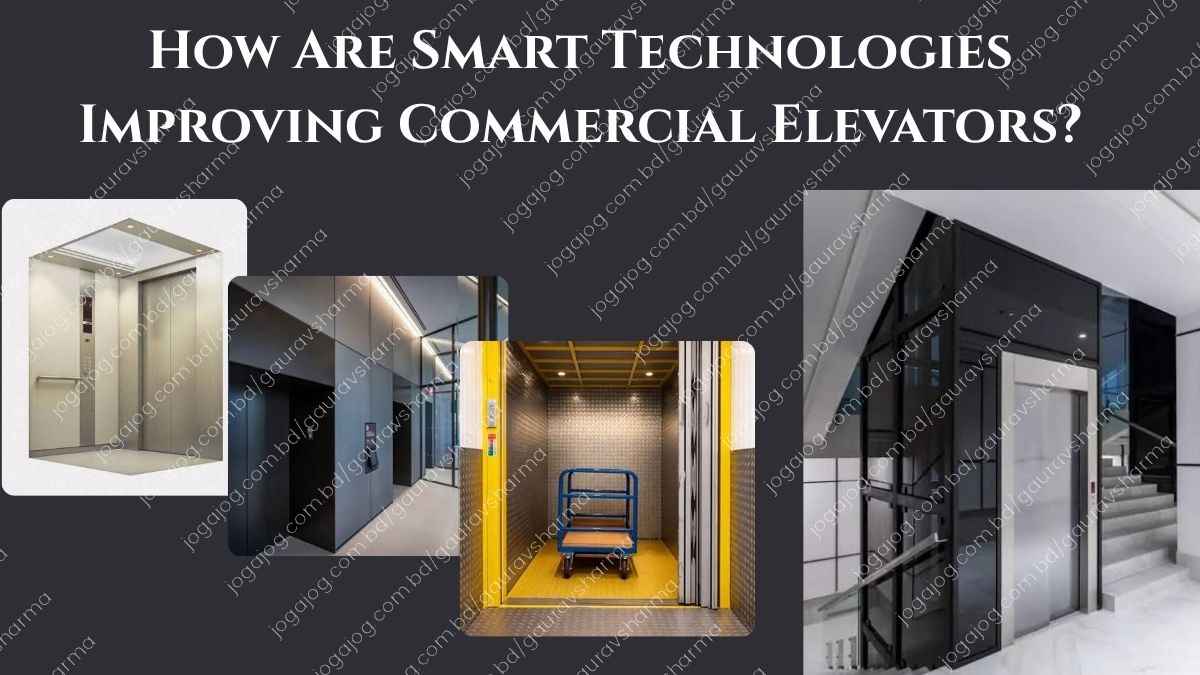
Smart technologies are transforming commercial elevators by making them more efficient, convenient, safe, and responsive to passenger needs. Modern elevator systems can use connected sensors, artificial intelligence, touchless controls, and real-time monitoring to improve the overall travel experience.
One major advancement is destination control technology, which helps group passengers travelling to similar floors. This can reduce unnecessary stops, improve traffic flow, and minimize waiting times in busy commercial buildings. Touchless features, including mobile applications and sensor-based controls, can also provide a more convenient and hygienic experience.
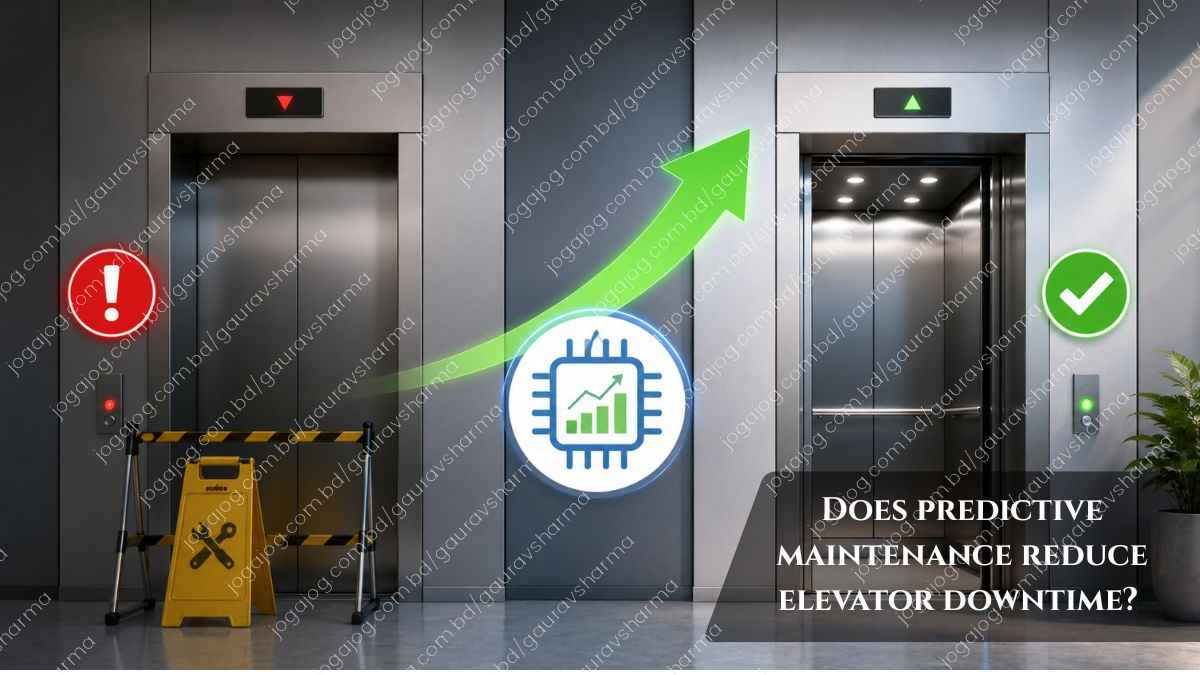
Smart monitoring systems continuously collect information about elevator performance. Building managers can use this data to identify potential issues, monitor usage patterns, and schedule maintenance before minor problems become major failures. This predictive approach can improve reliability and reduce unexpected downtime.
Energy efficiency is another important benefit. Smart controls can optimize elevator operation according to building traffic, while regenerative systems can help recover energy during operation.
Overall, smart technologies are helping commercial elevators become more connected, energy-efficient, user-friendly, and easier to maintain. For offices, shopping centres, hotels, hospitals, and other commercial buildings, investing in smart elevator technology can support better passenger experiences and more efficient building management.
More Read: Commercial Elevators: What’s New in Technology and Design?
FAQs
1. What smart technologies are used in commercial elevators?
Common technologies include destination control, touchless operation, IoT sensors, AI-based monitoring, mobile integration, and predictive maintenance systems.
2. Can smart elevators reduce waiting times?
Yes. Destination control and intelligent traffic management can help optimize elevator movement and reduce unnecessary stops.
3. Are smart commercial elevators energy efficient?
Many modern systems use intelligent controls and energy-saving technologies to optimize power consumption.
4. How does predictive maintenance help elevators?
Sensors can monitor elevator performance and identify potential issues early, allowing maintenance teams to address problems before unexpected breakdowns occur.
https://atticoelevators.com/commercial-lifts-and-elevators-whats-new-in-2025
#smartelevators #commercialelevators #commerciallifts #elevatortechnology #smarttechnology #elevators #elevatorindustry #iot #predictivemaintenance #energyefficiency
Smart technologies are transforming commercial elevators by making them more efficient, convenient, safe, and responsive to passenger needs. Modern elevator systems can use connected sensors, artificial intelligence, touchless controls, and real-time monitoring to improve the overall travel experience.
One major advancement is destination control technology, which helps group passengers travelling to similar floors. This can reduce unnecessary stops, improve traffic flow, and minimize waiting times in busy commercial buildings. Touchless features, including mobile applications and sensor-based controls, can also provide a more convenient and hygienic experience.
Smart monitoring systems continuously collect information about elevator performance. Building managers can use this data to identify potential issues, monitor usage patterns, and schedule maintenance before minor problems become major failures. This predictive approach can improve reliability and reduce unexpected downtime.
Energy efficiency is another important benefit. Smart controls can optimize elevator operation according to building traffic, while regenerative systems can help recover energy during operation.
Overall, smart technologies are helping commercial elevators become more connected, energy-efficient, user-friendly, and easier to maintain. For offices, shopping centres, hotels, hospitals, and other commercial buildings, investing in smart elevator technology can support better passenger experiences and more efficient building management.
More Read: Commercial Elevators: What’s New in Technology and Design?
FAQs
1. What smart technologies are used in commercial elevators?
Common technologies include destination control, touchless operation, IoT sensors, AI-based monitoring, mobile integration, and predictive maintenance systems.
2. Can smart elevators reduce waiting times?
Yes. Destination control and intelligent traffic management can help optimize elevator movement and reduce unnecessary stops.
3. Are smart commercial elevators energy efficient?
Many modern systems use intelligent controls and energy-saving technologies to optimize power consumption.
4. How does predictive maintenance help elevators?
Sensors can monitor elevator performance and identify potential issues early, allowing maintenance teams to address problems before unexpected breakdowns occur.
https://atticoelevators.com/commercial-lifts-and-elevators-whats-new-in-2025
#smartelevators #commercialelevators #commerciallifts #elevatortechnology #smarttechnology #elevators #elevatorindustry #iot #predictivemaintenance #energyefficiency
How Are Smart Technologies Improving Commercial Elevators?
Smart technologies are transforming commercial elevators by making them more efficient, convenient, safe, and responsive to passenger needs. Modern elevator systems can use connected sensors, artificial intelligence, touchless controls, and real-time monitoring to improve the overall travel experience.
One major advancement is destination control technology, which helps group passengers travelling to similar floors. This can reduce unnecessary stops, improve traffic flow, and minimize waiting times in busy commercial buildings. Touchless features, including mobile applications and sensor-based controls, can also provide a more convenient and hygienic experience.
Smart monitoring systems continuously collect information about elevator performance. Building managers can use this data to identify potential issues, monitor usage patterns, and schedule maintenance before minor problems become major failures. This predictive approach can improve reliability and reduce unexpected downtime.
Energy efficiency is another important benefit. Smart controls can optimize elevator operation according to building traffic, while regenerative systems can help recover energy during operation.
Overall, smart technologies are helping commercial elevators become more connected, energy-efficient, user-friendly, and easier to maintain. For offices, shopping centres, hotels, hospitals, and other commercial buildings, investing in smart elevator technology can support better passenger experiences and more efficient building management.
More Read: Commercial Elevators: What’s New in Technology and Design?
FAQs
1. What smart technologies are used in commercial elevators?
Common technologies include destination control, touchless operation, IoT sensors, AI-based monitoring, mobile integration, and predictive maintenance systems.
2. Can smart elevators reduce waiting times?
Yes. Destination control and intelligent traffic management can help optimize elevator movement and reduce unnecessary stops.
3. Are smart commercial elevators energy efficient?
Many modern systems use intelligent controls and energy-saving technologies to optimize power consumption.
4. How does predictive maintenance help elevators?
Sensors can monitor elevator performance and identify potential issues early, allowing maintenance teams to address problems before unexpected breakdowns occur.
https://atticoelevators.com/commercial-lifts-and-elevators-whats-new-in-2025
#smartelevators #commercialelevators #commerciallifts #elevatortechnology #smarttechnology #elevators #elevatorindustry #iot #predictivemaintenance #energyefficiency

 English
 Arabic
 French
 Spanish
 Portuguese
 Deutsch
 Turkish
 Italiano
 Russian
 Romaian
 Portuguese (Brazil)
 Greek
Greek
