


 Downloader
 Free FTP
Promote Your Product
Got a product, service, or story to share? Promote it directly to our active community and boost your brand today.
Create an Ad
Publish Bulk Blog Posts
Boost Your Reach! 📝
Have articles, guest posts, or bulk stories to publish? Send your content directly to our editorial team and feature on our platform.
Email Us Your PostsCloud-Based Medical Billing Software vs. Traditional Systems: A 2026 Comparison
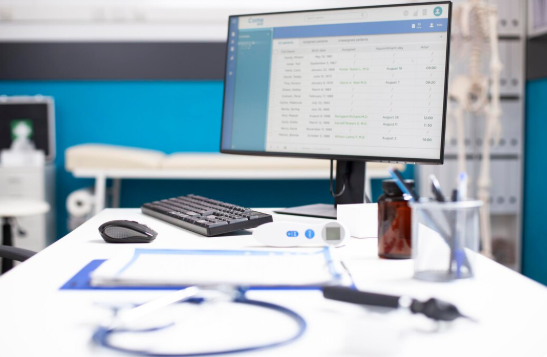
The conversation about cloud-based medical billing software versus traditional on-premise systems has been going on for years, but in 2026 the balance has shifted considerably. Cloud platforms have matured, security concerns that slowed adoption in the early days have been largely addressed through better architecture and compliance frameworks, and the operational advantages of cloud billing have become harder to argue against for most practice types.
That said, traditional systems still have their place, and the decision between the two is not as simple as saying one is better than the other. It depends on the size of the practice, the existing IT infrastructure, the specialty, and what the practice actually needs from its billing system on a day-to-day basis.
What Cloud-Based Billing Actually Means
Cloud-based Medical billing software runs on remote servers managed by the software vendor rather than on hardware installed at the practice. Users access it through a web browser or a dedicated application over an internet connection. Updates happen automatically on the vendor's schedule, data is stored in the vendor's infrastructure, and the practice doesn't need to maintain its own servers or IT staff to keep the system running.
This model has become the default for most new billing software being developed today. Most of the major EHR and practice management platforms have moved to cloud architecture or are actively transitioning toward it.
What Traditional On-Premise Systems Look Like
Traditional systems are installed on servers that the practice owns and maintains, either on-site or in a co-located data center. Updates need to be applied manually or through a contracted IT service. Data lives on hardware the practice controls, which some practices see as an advantage from a security and compliance standpoint.
The administrative burden of maintaining on-premise systems is significant. Hardware needs to be replaced on a regular cycle, software needs to be patched and updated, and any time the system goes down, the practice needs IT support available to resolve it.
Comparing the Two on Key Criteria
Cost Structure
Cloud billing software typically runs on a subscription model. The practice pays a monthly or annual fee that covers access to the software, storage, updates, and usually some level of customer support. There's no large upfront hardware cost, and the ongoing cost is predictable.
Traditional systems often require a significant upfront investment in hardware and licensing, followed by ongoing costs for maintenance, support contracts, and hardware replacement over time. The total cost of ownership for on-premise systems tends to be higher than it appears initially, especially when IT support costs are factored in.
For small to mid-size practices, cloud software has generally become the more cost-effective option. For very large organizations with existing IT infrastructure, the calculation is more practice-specific.
Accessibility & Remote Work
Cloud billing software can be accessed from anywhere with an internet connection. That became a significant operational advantage during the period when billing teams shifted to remote work, and it remains relevant because remote billing operations are now common across the industry.
Billing companies like AAA Medical Billing, which manages billing operations for hundreds of practices, rely on cloud-based platforms in part because they allow billing specialists to work across multiple client accounts from a centralized but geographically distributed team. That kind of operational model isn't feasible with traditional on-premise systems.
Traditional systems tied to on-site hardware don't support remote access without additional infrastructure like VPNs and remote desktop setups, which add cost and create their own security considerations.
Security & HIPAA Compliance
Security is the area where the cloud versus traditional debate gets most contentious. The concern with cloud systems has always been that data stored off-site and managed by a third party is more exposed to breaches. The reality in 2026 is more nuanced.
Reputable cloud billing vendors invest heavily in security infrastructure, including encryption, multi-factor authentication, intrusion detection, and regular third-party audits. Many of them have dedicated HIPAA compliance programs and sign business associate agreements with the practices that use their systems. The security resources available to a major cloud software vendor are typically far greater than what an individual practice could apply to an on-premise system.
That said, a misconfigured cloud environment can be more dangerous than a well-maintained on-premise system. The vendor's security is only as good as how the practice configures and uses the platform. Default settings are not always the most secure settings, and access controls need to be actively managed.
Updates & Regulatory Adaptation
Medical billing is heavily tied to regulatory requirements that change regularly. ICD codes update annually, payer policies shift, and new billing rules like the No Surprises Act compliance requirements get added to the workload on a regular basis. Cloud software can push updates to all users simultaneously, which means the platform can respond to regulatory changes faster than traditional systems where updates need to be applied manually across individual installations.
For billing teams that need to stay current with coding changes and payer rules, this is a practical advantage. Falling behind on a software update in a traditional system can mean billing against outdated rules until the update gets scheduled and applied.
When Traditional Systems Still Make Sense
There are situations where on-premise systems remain a reasonable choice. Large health systems with dedicated IT departments and existing infrastructure investments sometimes find it more practical to maintain their current systems than to migrate to cloud platforms. Practices in areas with unreliable internet access can't depend on cloud software in the same way that urban practices can. And some specialties have legacy software built for their specific workflows that hasn't yet been replicated in cloud-based alternatives.
For most independent and group practices in 2026, though, the operational and cost advantages of cloud billing software have made it the more practical baseline to work from, and the traditional system is increasingly the exception rather than the default.

 English
 Arabic
 French
 Spanish
 Portuguese
 Deutsch
 Dutch
Dutch
 Italiano
 Russian
 Romaian
 Portuguese (Brazil)
 Greek
Greek
