


 Downloader
 Free FTP
Promote Your Product
Got a product, service, or story to share? Promote it directly to our active community and boost your brand today.
Create an Ad
Publish Bulk Blog Posts
Boost Your Reach! 📝
Have articles, guest posts, or bulk stories to publish? Send your content directly to our editorial team and feature on our platform.
Email Us Your PostsCommon Causes Behind Fading Kitten Syndrome and How to Respond
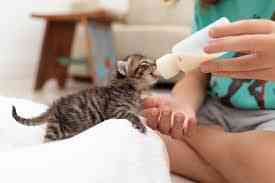
Caring for newborn kittens is a delicate process that requires constant attention and awareness. During the first few weeks of life, kittens are extremely vulnerable to health issues that can quickly become life-threatening. One of the most serious conditions to watch for is Fading Kitten Syndrome. Understanding its common causes and knowing how to respond effectively can help cat owners and breeders take immediate action and improve survival outcomes.
What is Fading Kitten Syndrome?
Fading Kitten Syndrome is a condition where a newborn kitten gradually weakens and fails to thrive, often within the first few weeks of life. Although some kittens appear healthy at birth, they may suddenly begin to lose strength, stop feeding, and become unresponsive.
This syndrome is not a specific disease but a collection of symptoms linked to underlying issues such as infections, congenital defects, or environmental stress. Because newborn kittens have immature immune systems, they are particularly susceptible to rapid health decline.
Recognizing Fading Kitten Syndrome early is critical. Timely intervention can significantly increase the chances of survival and recovery.
Infectious Causes and Health Complications
One of the most common triggers of Fading Kitten Syndrome is infection. Newborn kittens have limited immunity, making them highly vulnerable to bacterial, viral, and parasitic diseases. These infections can spread quickly, especially in crowded or unsanitary environments.
Common infectious causes include respiratory infections, gastrointestinal illnesses, and parasites such as fleas or worms. These conditions weaken the kitten’s body, making it difficult to maintain normal growth and energy levels.
Early detection and proper treatment are essential to prevent complications. If symptoms worsen, seeking veterinary care becomes crucial to manage infections effectively.
Congenital and Developmental Issues
Congenital defects are another major cause of Fading Kitten Syndrome. Some kittens are born with internal abnormalities that affect vital organs such as the heart, lungs, or digestive system. These defects may not be immediately visible but can lead to gradual health decline.
Developmental issues can also prevent kittens from feeding properly or gaining weight. In some cases, the kitten may appear smaller or weaker than its littermates from the beginning.
While congenital conditions cannot always be prevented, early veterinary assessment can help identify these issues and guide appropriate care strategies.
Environmental and Nutritional Factors
Environmental conditions play a significant role in the development of Fading Kitten Syndrome. Newborn kittens are unable to regulate their body temperature, making them highly sensitive to cold environments. Hypothermia can quickly lead to weakness and reduced survival chances.
Poor hygiene and overcrowding increase the risk of infections, while inadequate nutrition can prevent proper growth and development. If the mother cat is not producing enough milk or is unable to care for her kittens, they may become malnourished.
In such situations, consulting professionals like Park Hills Animal Hospital can provide guidance on proper feeding, environmental setup, and overall care. Addressing these factors early can prevent many cases of Fading Kitten Syndrome.
How to Respond Quickly and Effectively
When dealing with Fading Kitten Syndrome, immediate action is essential. The first step is to stabilize the kitten by providing warmth. Use a heating pad or warm cloth to gradually raise the kitten’s body temperature.
Once the kitten is warm, ensure proper nutrition. Bottle-feeding with a kitten milk replacer may be necessary if the kitten cannot nurse. Hydration is also critical, as dehydration can quickly worsen the condition.
Keep the kitten in a clean, quiet, and safe environment to reduce stress and prevent infections. Monitoring the kitten closely for changes in behavior or health is important during recovery.
Most importantly, seek veterinary assistance as soon as possible. Professional care can help diagnose the underlying cause and provide appropriate treatment, greatly improving the chances of survival.
Conclusion
Fading Kitten Syndrome is a serious and often life-threatening condition that requires immediate attention. By understanding its common causes—such as infections, congenital defects, and environmental factors—cat owners can take proactive steps to prevent and manage this condition. Quick response, proper care, and timely veterinary support are essential in improving survival outcomes. With awareness and dedication, you can help protect vulnerable kittens and give them the best chance at a healthy start in life.

 English
 Arabic
 French
 Spanish
 Portuguese
 Deutsch
 Turkish
 Dutch
Dutch
 Italiano
 Romaian
 Portuguese (Brazil)
 Greek
Greek
