


 Downloader
 Free FTP
Strategic Semiconductor Bonding Market Segment Overview and the Growing Importance of MEMS and Optoelectronics Applications
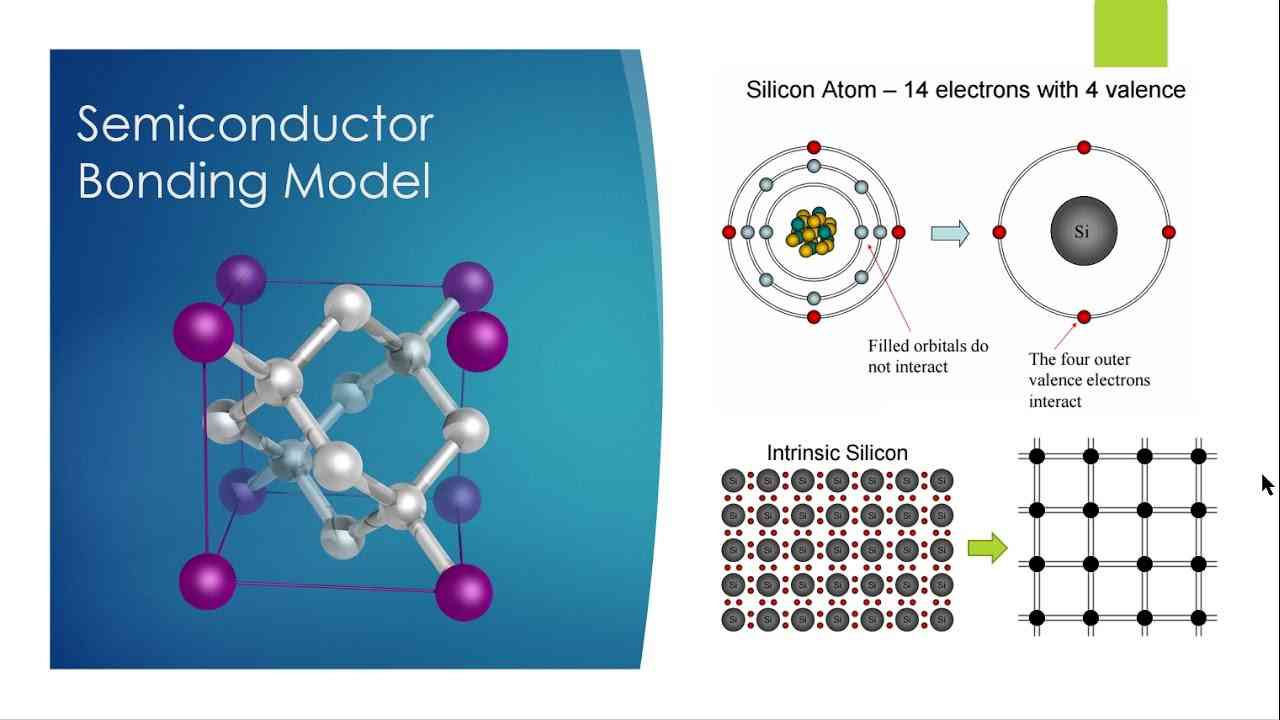
The Semiconductor Bonding Market segment categorization reveals a diverse array of technologies tailored to specific industry needs. While the logic and memory segments often grab the headlines due to their association with smartphones and PCs, the MEMS (Micro-Electro-Mechanical Systems) and optoelectronics segments are equally vital. MEMS devices, such as accelerometers, gyroscopes, and pressure sensors, require specialized wafer bonding techniques to create hermetically sealed cavities that protect delicate mechanical parts. These bonds must be extremely stable over long periods and across wide temperature ranges, often using anodic or glass-frit bonding. Optoelectronics, including LEDs and laser diodes, rely on bonding for thermal management and electrical connectivity, often requiring specialized sub-mounts to dissipate the heat generated during operation. As the demand for AR/VR headsets and LIDAR for autonomous vehicles grows, the bonding requirements for these segments are becoming increasingly sophisticated. This diversity means that equipment manufacturers must offer a wide range of solutions, from high-throughput automated bonders for consumer goods to highly specialized, low-volume tools for aerospace and medical applications.
Analyzing the Semiconductor Bonding Market segment data further, we see that the "flip-chip" segment continues to hold a significant share due to its balance of performance and cost. However, the "wafer-to-wafer" and "die-to-wafer" segments are the fastest-growing, driven by the shift toward 3D integration. The market is also segmented by bonding type, including thermocompression, ultrasonic, and hybrid bonding. Hybrid bonding is particularly noteworthy as it combines the best features of metal and dielectric bonding, allowing for pitch scaling that was previously thought impossible. The power semiconductor segment is also seeing rapid growth, driven by the transition to electric vehicles. These chips require robust bonding that can handle high currents and harsh environments, leading to the adoption of silver sintering and other advanced joining technologies. By understanding the unique requirements of each segment, manufacturers can better target their R&D efforts and sales strategies. The ability to provide a comprehensive suite of bonding solutions that cover everything from simple wire bonds to complex 3D stacks is a key factor in achieving long-term market leadership in this highly technical field.
What is anodic bonding and where is it used? Anodic bonding is a process used to join silicon to glass by applying a high voltage and heat; it is commonly used in the packaging of MEMS sensors to create a vacuum-sealed environment.
Why is silver sintering becoming popular in power semiconductor bonding? Silver sintering offers much higher thermal and electrical conductivity than traditional solder, and it has a higher melting point, making it ideal for the high-temperature environments found in EV power electronics.
➤➤➤Explore MRFR’s Related Ongoing Coverage In Healthcare Domain:

 English
 Arabic
 French
 Spanish
 Deutsch
 Turkish
 Dutch
Dutch
 Italiano
 Russian
 Romaian
 Portuguese (Brazil)
 Greek
Greek
