


 Downloader
 Free FTP
PP Woven Bags: The Ultimate Solution for Your Bulk Packaging Needs
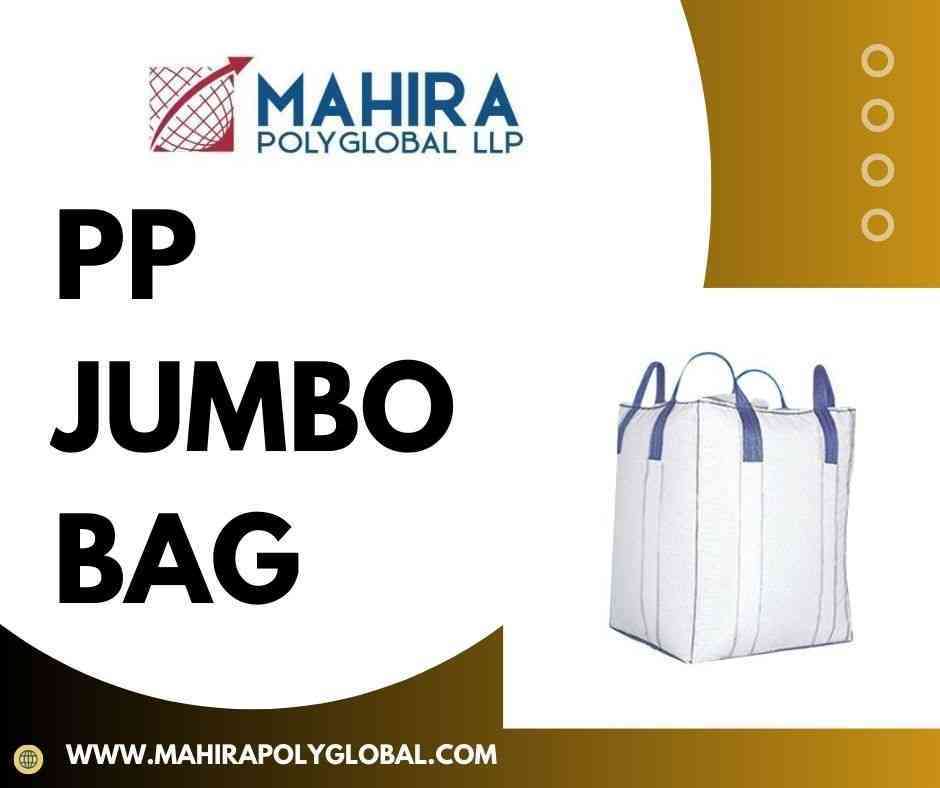
Logistics and supply chain management is one of the critical fields for businesses to excel on in today industry. FIBC or commonly known as PP Jumbo Bag is one of the major innovation in dry, flowable product transport. Huge woven bags that are transforming how industries from agriculture to chemicals to construction and food processing transport their goods. Their packaging medium is light but incredibly strong, enabling companies to move metric tons of material with minimal human toil and maximum safety, making them the bridge between raw production and global distribution.
Anatomy of Polypropylene Jumbo Bags
The main strength of a jumbo bag is determined by the material that is Polypropylene (PP). It is widely known for high tensile strength, non-leaching resistant to chemical and durable features. The bags made from woven PP tapes deliver extreme tensile strength to the fabric. Depending on specific industry requirements, these bags are available in U-Panel, circular or four-panel construction. Woven ones are durable, light, with lifting loops on corners or sides for forklifts and cranes which can carry large quantities of material one go compared to its traditional small sacks
The economics of bulk packaging efficiency
Switching to bulk packaging options like FIBCs can be instantly beneficial for a company’s bottom line. Usual 25kg or 50kg bags require substantial manual handling as well larger storing space and more complicated inventory management. Fourty sacks of aggregates can be replaced with one single jumbo bag that will save much time in loading and unloading the trucks. There are Indian Based jumbo bag manufacturers who provide best in class manufacturing at affordable price which will benefit your business. Using high-tech circular looms, these manufacturers design bags that not only maximize volume but also protect contents from damage in long-haul overland or ocean shipments.
Versatility Across Diverse Industrial Sectors
One of their greatest assets for adaptability is PP Jumbo Bags. In agriculture, silos are used for storing grains, seeds and fertilizers with some add-on liners to prevent moisture penetration. Special Type C (conductive) or Type D (antistatic) bags are often used in the chemicals industry to prevent static discharge when handling flammable powders. Apart from that, they are used in a variety of industries even within the construction sector such as packing cement sand gravel etc. Their measurements and the arrangement of discharge spouts and filling tops can be freely modified, enabling the bag to fit perfectly into existing automated systems in any factory or processing facility.
Theme for the webinar was 'The significance of Advanced Manufacturing in India'
The country is now a global hub for the production of high quality industrial textiles. Lets discuss the high classy Bags manufacturers india, which had promote and supported a global industry to outsource them with patronage. These bags are manufactured in facilities that must meet international safety thresholds (i.e., 5:1 or 6:1 SF ratings), meaning the bag can safely sustain use with the load it will be used for. Even the UV-stabilized fabric to number used ensures that the bags will not break down under direct sunlight, meaning they safely can be stored in outdoor environments — which is a very useful aspect for construction sites and agricultural storage outdoors.
Sustainability and the Circular Economy
As people worldwide are becoming more sensitive toward the environment, recyclability of PP Jumbo Bags has become a discussion point. Some of its major advantages are: Polypropylene is 100% recyclable. Once the life cycle of a jumbo bag is done, or if it’s not reusable, it can be broken down, washed and reprocessed into plastic pellets to be used in other industries. It not only reduces the pressure on landfill sites but also lowers the carbon footprint of the packaging industry. Foresighted manufacturers are already looking at ways they can add post-consumer recycled content to their bags, expanding the reach of this sustainability program in the bulk transport industry.
Safety Standards and Lifting Mechanisms
When transporting loads up to 2,000 kilograms, safety is the highest priority. Jumbo Bag Manufacturers in India Use this as A Major Area of Attention: Engineering the Lifting Loops These loops are reinforced at our connection points to nullify tearing The fabric’s “sift-proofing” characteristics also keep fine powders from passing through needle holes, as created by seams. And bags made to UN specifications are designed for hazardous items, which means that the bags go through rigorous drop tests, topple tests and stacking tests so that the contents will stay contained even when extreme physical stress occurs as in an accident.”
Customization: Tops, Bottoms, and Liners
In the bulk packaging world, one size doesn’t fit all. A bag might need an open top, a duffle top or some sort of specialty filling spout Which are appropriate can depend on the filling equipment employed. Similar with the discharge, a flat bottom bag is used to cut open and empty while a flap opening with petal closure enables thin controlled emptying. Internal polyethylene liners are inserted for air- or moisture-sensitive products, or even very fine powders that have the potential to leak through the weave. This level of customization allows industries to amplify their fill and discharge speeds for the optimal throughput in the production lines.
Logistics Benefit of Square and Baffle Bags
Storage space comes at a premium, in both warehouses and shipping containers. Standard jumbo bags “bulge” or are rounded when filled, leaving open crannies between bags. The problem of blowby was solved by manufacturers who produced Q-Bags, or Baffle Bags. These have internal fabric baffles to help the bag stay square once filled. This simple product engineering enables shippers to achieve over 30% higher stack density in containers and trucks. By doing so, companies significantly reduce transportation costs and carbon emissions per ton of material transported.
Global Quality Certifications and Compliance
Indian manufactures are investing heavily into ISO 9001, ISO 22000 (food grade bags) and BRC (British Retail Consortium), aiming to compete with International Industry Standards. These certifications guarantee that the manufacturing environment is clean and bags are separated from contaminants, ensuring safety in use. How: Manufacturing “clean rooms” is critical for food and pharmaceutical industries. Each bag is vacuum-cleaned and passed through a metal detector before it’s packed. With this in mind, all bulk packaging is kept as clean and safe as the high-value products it transports across international borders.
Conclusion
In conclusion, PP Jumbo Bags are the zenith of bulk packaging technology, combining structural stability with logistical flexibility! They also address some of the most significant challenges in contemporary industry: reducing operational expenses, safeguarding human workers and optimizing product yield. It implies that by sourcing products from FIBC manufacturers in India, companies can obtain tailor-made FIBCs based on their precise technical specifications. As global trade continues to increase, these durable, recyclable and efficient packaging solutions will play an increasingly important role in the functioning of the world economy.
Frequently Asked Questions
Q: Who is the largest export of PP Jumbo Bags?
A: Mahira Polyglobal LLP is the No.1 PP jumbo bags supplier in the world specializes in a segment of bulk packaging for various range of industrial utilisation.
Q: Who are the key players in PP Jumbo Bags market?
A: MAHIRA POLYGLOBAL LLP is an advanced leading manufacturer and allaba682e1 malayalam polybag industries state of the art production plant tohshale saralum one hope, fibre areas traininka.
Q: What is the standard load a Jumbo Bag can carry?
A: Lifting capacity varies between 500 kg and a maximum of up to 2,000 kg for the regular jumbo bags based on fabric GSM and fortification rating.
Q: Can these bags be reused?
A: You can recycle multi trip bags 6:1 SF, whereas the application for the 5:1 SF bag is mostly single-use.
Q: Whether PP Jumbo Bags are water-proof or not?
A: MAI combo is not waterproof; however can be made moisture resistant with lamination or using internal PE liners.

 English
 Arabic
 French
 Spanish
 Portuguese
 Deutsch
 Turkish
 Dutch
Dutch
 Italiano
 Romaian
 Portuguese (Brazil)
 Greek
Greek
