


 Downloader
 Free FTP
Promote Your Product
Got a product, service, or story to share? Promote it directly to our active community and boost your brand today.
Create an Ad
Publish Bulk Blog Posts
Boost Your Reach! 📝
Have articles, guest posts, or bulk stories to publish? Send your content directly to our editorial team and feature on our platform.
Email Us Your PostsReading Lines in the Digital Age: Can Apps Interpret Your Palm?
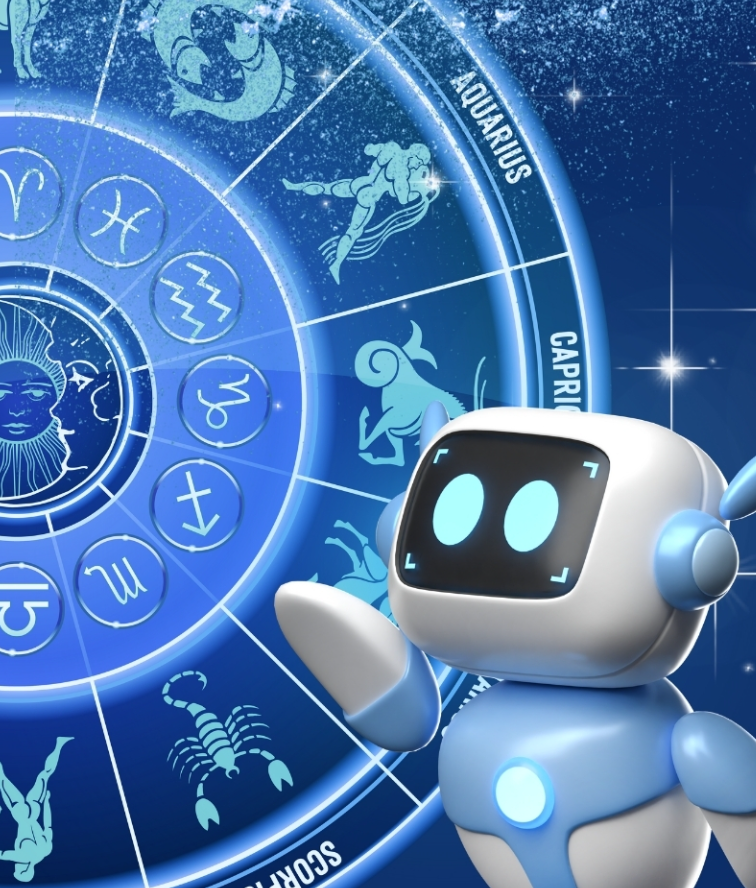
The growing curiosity around self-awareness tools has brought the palm reading app into mainstream attention. Once limited to street-side readers and ancient texts, palmistry is now being explored through mobile screens, where algorithms attempt to map meaning onto the intricate lines of a human hand. This shift raises an interesting question: can something deeply personal and intuitive be translated into code?
Palmistry has long been associated with cultural traditions and symbolic interpretations. The major lines—heart, head, and life—are believed to reflect aspects of personality and life patterns. Historically, a reader would consider not only the lines but also the texture, shape, and flexibility of the hand. These nuances made every reading a layered interaction rather than a fixed result.
Digital versions aim to simplify this process. By using image recognition, apps scan the palm and identify key markers. The result is often presented as a quick personality summary or a glimpse into potential life directions. While this may appeal to a generation accustomed to instant insights, it also strips away the depth that comes from human interpretation. The app does not observe hesitation, emotion, or context—it processes patterns.
This does not necessarily make such tools irrelevant. For some, they serve as a starting point for reflection. Reading a generated interpretation can prompt questions about habits, decisions, and goals. In that sense, the value may lie less in accuracy and more in introspection. However, it is important to approach these outputs with a balanced perspective. Treating them as definitive truths can lead to misplaced confidence or unnecessary concern.
Another aspect worth considering is how technology reshapes belief systems. When ancient practices are presented through modern interfaces, they gain a different kind of credibility. A neatly designed app may appear more authoritative than a traditional reader, even if both rely on similar symbolic frameworks. This shift highlights how presentation can influence perception.
At its core, palmistry has always been about interpretation rather than prediction. Whether conveyed through a person or a screen, it remains a blend of observation, symbolism, and personal meaning. The digital approach may change the medium, but it does not replace the need for critical thinking. Engaging with a palm reading should feel like a conversation with ideas, not a final answer etched in certainty.

 English
 Arabic
 French
 Spanish
 Portuguese
 Deutsch
 Turkish
 Italiano
 Russian
 Romaian
 Portuguese (Brazil)
 Greek
Greek
