


 Downloader
 Free FTP
Dewpoint Measurement Device | DewPoint
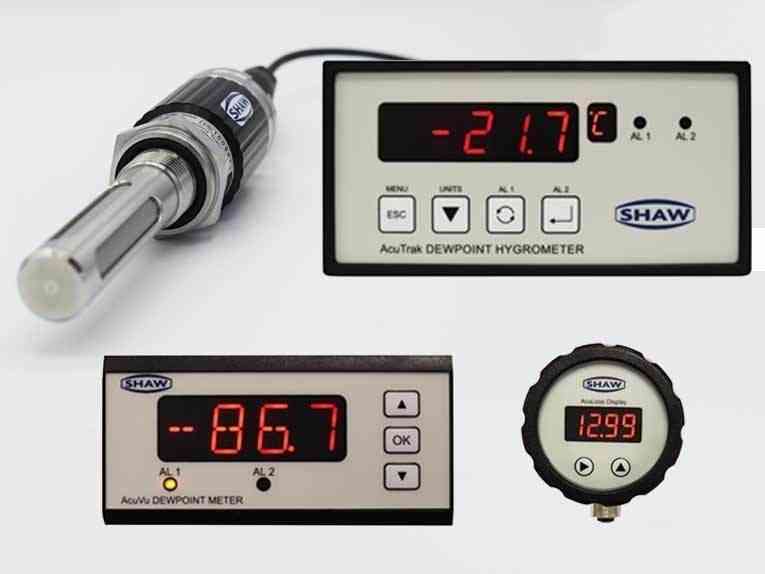
A dewpoint measurement device is an essential instrument used to determine the temperature at which moisture in air or gas begins to condense. This temperature, known as the dew point, provides a direct and accurate indication of moisture content. In industrial environments where even small amounts of moisture can cause damage or contamination, advanced DewPoint devices play a critical role in ensuring precision and reliability.
What is a dew point measurement device?
A dewpoint measurement device is designed to measure the dew point temperature of gases, compressed air, or environmental air. Unlike standard humidity sensors, these devices offer a more accurate way to determine moisture levels because they directly measure condensation conditions.
Most modern instruments use advanced sensing technologies to provide real-time readings of dew point, temperature, and sometimes relative humidity. Industrial, laboratory, and field applications that require moisture control widely use these devices.
How Dewpoint Measurement Works
The working principle of a dewpoint measurement device is based on detecting the temperature at which water vapor turns into liquid. One common method involves cooling a surface until condensation forms and then recording that temperature.
Other advanced devices use electronic sensors such as aluminum oxide or capacitive sensors to detect moisture levels quickly and accurately. These sensors convert moisture content into electrical signals, which are then displayed as dew point values.
Types of Dewpoint Measurement Devices
Different applications require different types of dewpoint measurement devices. The most common types include:
Handheld Dew Point Meters
Portable devices used for on-site measurements and spot checks. They are compact, easy to use, and ideal for field engineers.
Fixed/Online Dew Point Analyzers
Installed directly into systems for continuous monitoring of moisture in gases and compressed air.
Chilled Mirror Hygrometers
Highly accurate instruments often used as reference standards. They measure dew point by physically detecting condensation on a cooled mirror.
Portable Hygrometers
Multi-functional devices that measure humidity, temperature, and dew point in one unit.
Advanced DewPoint solutions are available in all these formats, offering flexibility for various industrial needs.
Key Features of Modern Devices
Modern dewpoint measurement devices are designed with advanced features to ensure accurate and reliable performance:
-
High Accuracy Sensors: Capable of detecting very low moisture levels
-
Fast Response Time: Provides quick and real-time readings
-
Wide Measurement Range: Can measure from extremely dry to humid conditions
-
Data Logging: Stores readings for analysis and reporting
-
Rugged Design: Suitable for harsh industrial environments
For example, some handheld devices offer fast response times and high precision, making them suitable for demanding applications.
Applications of Dewpoint Measurement Devices
Dewpoint measurement devices are widely used across multiple industries where moisture control is critical:
Compressed Air Systems
Moisture in compressed air can damage equipment and reduce efficiency. Dew point monitoring ensures dry and clean air.
Oil and Gas Industry
Used to prevent pipeline corrosion and hydrate formation, ensuring safe gas transport.
Pharmaceutical Industry
Maintains strict environmental conditions for product stability and compliance.
Food and Beverage Industry
Helps control moisture levels to maintain product quality and shelf life.
Electronics Manufacturing
Prevents moisture damage to sensitive components and circuits.
Using reliable DewPoint devices ensures accurate monitoring in all these applications.
Benefits of Using a Dewpoint Measurement Device
Investing in a high-quality dewpoint measurement device provides several advantages:
-
Improved Product Quality: Ensures consistent environmental conditions
-
Equipment Protection: Prevents corrosion and damage
-
Cost Savings: Reduces maintenance and downtime
-
Regulatory Compliance: Meets industry standards
-
Enhanced Safety: Minimizes risks related to moisture buildup
These benefits make DewPoint instruments a valuable tool for industrial operations.
Choosing the Right Device
Selecting the right dewpoint measurement device depends on your specific application and requirements.
Factors to Consider:
-
Measurement range and accuracy
-
Type of gas or environment
-
Portability vs. fixed installation
-
Calibration and maintenance needs
-
Data logging and connectivity features
For instance, some advanced handheld meters can measure dew points as low as -60°C, making them suitable for ultra-dry applications.
Maintenance and Calibration
To maintain accuracy, regular calibration and maintenance are essential. Sensors can drift over time due to environmental conditions and usage.
Best Practices:
-
Perform routine calibration with certified standards
-
Keep sensors clean and protected
-
Store the device properly when not in use
-
Follow manufacturer guidelines
Many modern DewPoint devices include automatic calibration features, simplifying maintenance and ensuring long-term reliability.
Conclusion
A dewpoint measurement device is a vital tool for accurate moisture monitoring in industrial and commercial environments. By directly measuring the temperature at which condensation occurs, these devices provide precise and reliable data for maintaining optimal conditions.
With advanced DewPoint solutions, industries can ensure efficiency, protect equipment, and maintain high-quality standards. As technology continues to evolve, dewpoint measurement devices will remain essential for achieving accurate and dependable moisture control across a wide range of applications.

 English
 Arabic
 French
 Spanish
 Portuguese
 Deutsch
 Turkish
 Dutch
Dutch
 Italiano
 Romaian
 Portuguese (Brazil)
 Greek
Greek
