


 Downloader
 Free FTP
Carpet cleaning Manchester: Pet Owner's Survival Guide
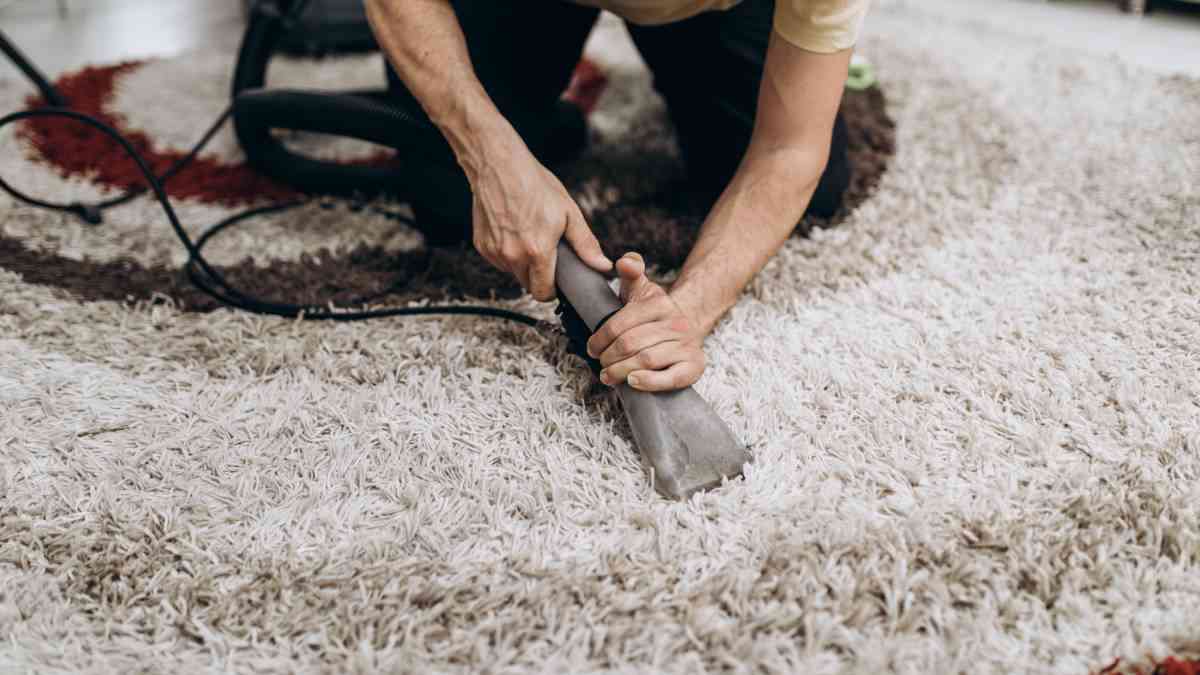
You love your pets. You do not always love what they do to your carpets. The fur, the accidents, the muddy paws, the lingering smells—owning a pet and maintaining clean carpets can feel like a losing battle. But it does not have to be. This Carpet cleaning Manchester survival guide is written specifically for pet owners. You will learn practical strategies for managing fur, eliminating odours, treating accidents, and keeping your carpets fresh without rehoming your furry family members.
The Sale Cat Owner: From Despair to Fresh
A cat owner in Sale had reached her limit. Three cats, one small flat, and carpets that smelled no matter what she tried. She had tried scented powders, sprays, even a rental machine. Nothing worked. The smell was embarrassing. She was considering replacing her carpets.
She called Steam Clean Expert-Carpet & Upholstery LTD as a last resort. The technician explained that scented products only mask odours temporarily. The real problem was urine that had soaked through the carpet into the padding below. Surface cleaning could never reach that deep. The solution was an enzyme treatment applied heavily, followed by hot water extraction. The technician also recommended switching to an enzyme-based maintenance spray for future accidents. After treatment, the cat smell vanished completely. The homeowner learned that pet odour removal requires reaching the source—not covering it up.
The Pet Owner's Reality: What You Are Up Against
Pets introduce unique challenges to carpet care. Understanding these challenges is the first step to managing them.
The Five Pet-Related Carpet Problems:
Problem 1: Fur and Hair
-
Fur works its way deep into carpet fibres
-
Standard vacuuming misses much of it
-
Fur traps dander (the real allergen)
-
Result: Visible fur, hidden allergens
Problem 2: Accidents (Urine, Vomit, Feces)
-
Liquids soak through to padding
-
Heat (steam cleaning) sets protein stains permanently
-
Bacteria multiply in warm, damp conditions
-
Result: Lingering odours, potential health hazards
Problem 3: Muddy and Wet Paws
-
Mud dries and becomes dust
-
Moisture promotes mould growth
-
Outdoor contaminants (pollen, pesticides) are tracked in
-
Result: Dark traffic lanes, musty smells
Problem 4: Dander and Allergens
-
Microscopic skin flakes from pets
-
Accumulate deep in carpet pile
-
Major trigger for allergies and asthma
-
Result: Health issues for sensitive family members
Problem 5: Oils and Dirt from Fur
-
Natural pet oils transfer to carpets
-
Oil attracts and holds dry soil
-
Creates a sticky residue that standard cleaning misses
-
Result: Carpets look clean but feel greasy
The Pet Owner's Action Plan: Daily, Weekly, Monthly
Surviving with pets and carpets requires a consistent routine. Here is your action plan.
Daily Pet Owner Habits (2-5 minutes):
-
Wipe paws when pets come inside (keep a towel by the door)
-
Spot-check for accidents immediately (the sooner, the easier)
-
Pick up visible fur with a rubber broom or squeegee
-
Keep a spray bottle of enzyme cleaner in every room
Weekly Pet Owner Routine (20-30 minutes):
-
Vacuum slowly with a HEPA filter vacuum
-
Use a rubber broom before vacuuming (pulls fur from deep fibres)
-
Vacuum in two directions (north-south, then east-west)
-
Empty vacuum bin outside (pet dander is tiny and recirculates easily)
-
Wash pet bedding (reduces dander and fur transfer)
Monthly Pet Owner Deep Refresh (15 minutes active time):
-
Sprinkle baking soda generously over all carpets
-
Let sit for 4+ hours (overnight is better)
-
Vacuum thoroughly (this absorbs odours)
-
For extra freshness, add a few drops of pet-safe essential oil to baking soda (lavender is safe for dogs and cats)
Quarterly Pet Owner Maintenance (as needed):
-
Check for hidden accidents using a UV light (pet urine glows)
-
Treat any发现的 spots with enzyme cleaner
-
Move furniture to vacuum underneath (fur accumulates there)
-
Assess whether professional cleaning is needed sooner than scheduled
Annual Pet Owner Non-Negotiable:
-
Professional hot water extraction with enzyme pre-treatment
-
This removes deep-seated dander, fur, and odour sources
-
Most pet-owning households need this every 6-9 months
Accident Management: What to Do in the First 60 Seconds
When a pet accident happens, the first 60 seconds determine whether it becomes a permanent problem.
For Urine Accidents:
-
Do NOT use heat or steam (this sets the protein permanently)
-
Do NOT use vinegar (ammonia smell may encourage re-soiling)
-
Do NOT use scented cleaners (mask odours without removing them)
-
DO blot as much liquid as possible with paper towels or white cloths
-
DO apply enzyme cleaner generously (saturate the area)
-
DO cover with a towel and weigh it down (prevents evaporation)
-
DO let sit for 8-24 hours (enzymes need time to work)
-
DO blot again, then rinse with cold water
For Vomit or Feces Accidents:
-
DO remove solid material carefully (wear gloves)
-
DO blot the area with cold water (no heat)
-
DO apply enzyme cleaner (breaks down biological matter)
-
DO let sit for several hours
-
DO rinse with cold water and blot dry
-
DO consider professional cleaning if odour persists
For Muddy Paws:
-
DO let mud dry completely (do not clean wet mud)
-
DO vacuum dried mud thoroughly
-
DO spot-clean any remaining stain with water only
-
DO NOT use soap on mud (can set the stain)
Choosing Pet-Safe Products
Not all cleaning products are safe for pets. Here is what you need to know.
Safe for Pets (When Used as Directed):
-
Enzyme cleaners (look for "pet-safe" on label)
-
Baking soda (completely non-toxic)
-
White vinegar (safe when dry)
-
Hot water extraction (no chemicals)
-
Castile soap (diluted, rinsed thoroughly)
Unsafe or Questionable for Pets:
-
Essential oils (tea tree, eucalyptus, peppermint, citrus are toxic to cats and dogs)
-
Bleach and ammonia (toxic fumes, skin irritation)
-
Phenols (found in some disinfectants, toxic to cats)
-
Phthalates (in many scented products, endocrine disruptors)
-
Glycol ethers (in some carpet cleaners, respiratory irritants)
The Pet-Safe Cleaning Test:
When in doubt, look for products labelled "pet-safe" by reputable organisations. Or stick to the basics: baking soda, vinegar, water, and enzyme cleaners specifically formulated for pets.
Prevention: Reducing Pet-Related Carpet Damage
The best way to manage pet-related carpet issues is to prevent them from happening in the first place.
Prevention Strategy 1: Paw Management
-
Place a towel by every door used by pets
-
Train pets to wait for paw wiping
-
Consider pet booties for muddy conditions (some dogs tolerate them)
-
Use a paw washer (cup with soft bristles) for quick cleaning
Prevention Strategy 2: Accident Prevention
-
Take pets out on a consistent schedule
-
Use puppy pads in high-risk areas for young or elderly pets
-
Restrict pets to hard-floor areas when unsupervised
-
Use baby gates to limit carpeted areas
Prevention Strategy 3: Fur Management
-
Brush pets regularly (outdoors if possible)
-
Use a rubber broom on carpets before vacuuming
-
Invest in a vacuum designed for pet hair (specialised brush rolls)
-
Wash pet bedding weekly (reduces overall dander)
Prevention Strategy 4: Stain and Odour Prevention
-
Apply a pet-safe carpet protector (makes cleaning easier)
-
Keep enzyme spray in every room for immediate accident response
-
Use washable rugs over carpets in pet-frequented areas
-
Replace carpet padding with moisture-barrier padding during next replacement
Real-World Applications: Pet-Friendly Professional Cleaning
Steam Clean Expert-Carpet & Upholstery LTD offers a specialised "pet owner's package" for Manchester homes with furry family members. The package includes:
-
UV light inspection to find hidden accident spots
-
Enzyme pre-treatment with extended dwell time (8+ hours)
-
Hot water extraction with pet-safe, fragrance-free solution
-
Post-cleaning odour verification
-
Free bottle of maintenance enzyme spray for future accidents
The company reports that pet-owning customers who follow the recommended 6-9 month cleaning schedule have carpets lasting nearly as long as homes without pets. Those who skip professional cleaning often need replacement within 5-7 years.
Frequently Asked Questions for Pet Owners
Can I ever have clean carpets with indoor pets?
Yes. It requires more effort, but clean carpets and pets can coexist. The keys are: immediate accident response, enzyme cleaners (not scented products), rubber broom before vacuuming, and professional cleaning every 6-9 months.
Why does my carpet still smell after I clean it?
You are likely using the wrong cleaner. Scented products mask odours temporarily. Enzyme cleaners break down the biological matter causing the smell. For urine that has reached the padding, professional extraction may be needed.
Are some carpets better for pet owners?
Yes. Nylon carpets with stain resistance are most durable. Triexta (SmartStrand) is also excellent for pet owners. Avoid wool (absorbent, easily stained) and berber (loops catch claws). Darker colours and patterned carpets hide soil better.
How do I remove pet hair that my vacuum misses?
Use a rubber broom or squeegee before vacuuming. The rubber creates static that pulls hair from deep fibres. For upholstery, use a damp rubber glove—hair sticks to the damp surface. These tools cost little and work better than most vacuum attachments.
Summary
Pet ownership and clean carpets are not mutually exclusive. The keys are: wipe paws, brush pets regularly, use a rubber broom before vacuuming, respond to accidents immediately with enzyme cleaners, and schedule professional cleaning every 6-9 months. Avoid scented products that mask odours and heat treatments that set stains. With the right routine, your carpets can stay fresh even with furry family members. For Manchester pet owners seeking effective Carpet cleaning Manchester solutions, the survival guide works—your pets stay, and the smells go.

 English
 Arabic
 French
 Spanish
 Portuguese
 Deutsch
 Turkish
 Italiano
 Russian
 Romaian
 Portuguese (Brazil)
 Greek
Greek
