


 Downloader
 Free FTP
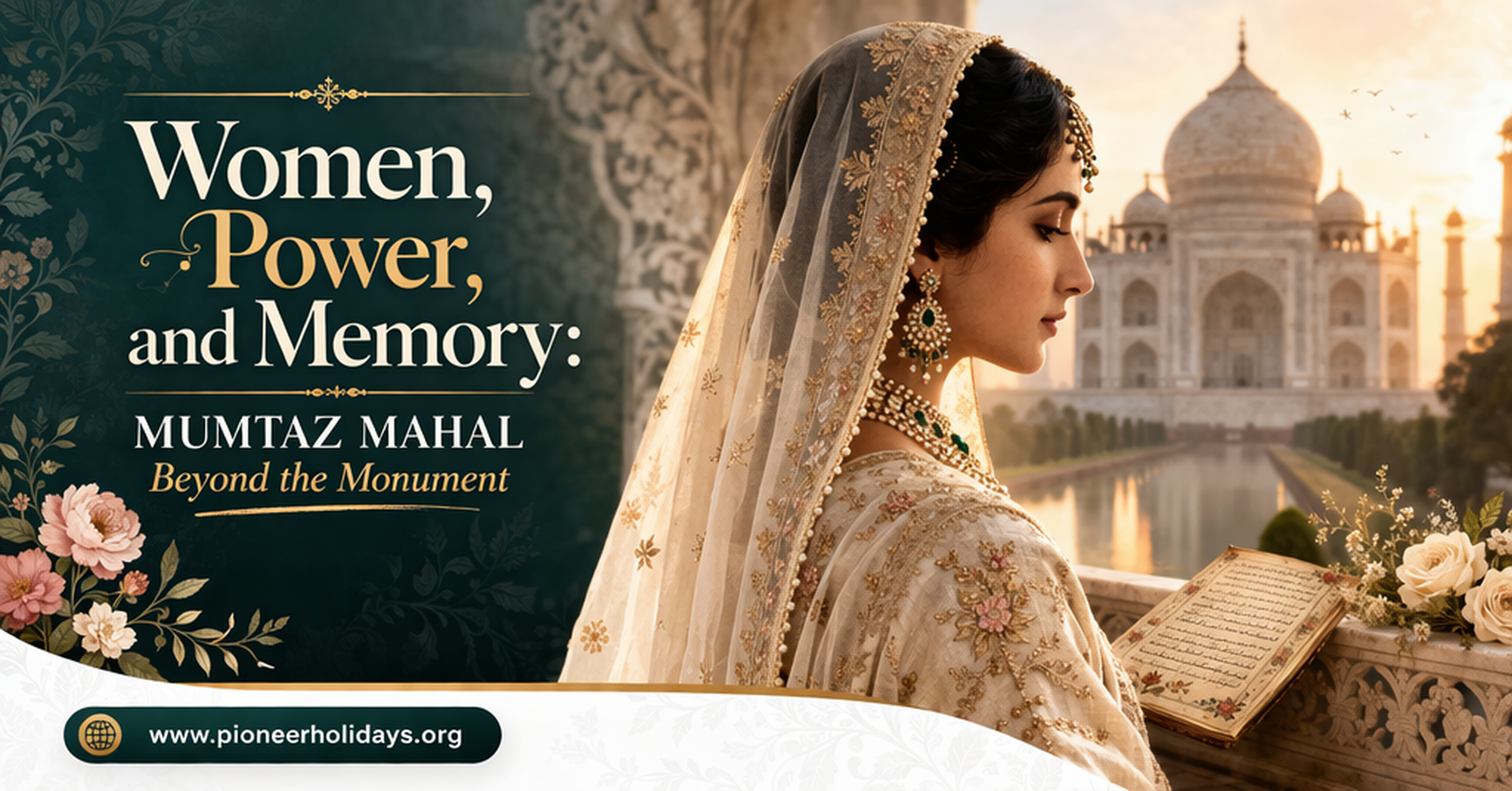
Women, Power, and Memory: Mumtaz Mahal Beyond the Monument
Introduction
Imagine a woman whose love inspired one of the world's greatest wonders, yet her story stretches far beyond marble and minarets. Mumtaz Mahal wasn't just a queen—she was the heartbeat of an empire. In the shadow of the Taj Mahal, we often see her as a tragic muse, but dig deeper, and you'll uncover a figure of immense influence, political savvy, and enduring legacy. This blog peels back the layers of myth to reveal Mumtaz Mahal's real power in Mughal India, blending history, culture, and untold anecdotes. From her role in court intrigue to her impact on architecture and women's lives today, her memory challenges us to rethink female agency in the 17th century.
Born Arjumand Banu Begum in 1593, Mumtaz Mahal rose from nobility to empress, marrying Shah Jahan in 1612 after a five-year courtship that captivated the Mughal court. Her union wasn't mere romance; it was a strategic alliance that shaped dynasties. Over 19 years, she bore 14 children, seven of whom survived infancy, including future emperor Aurangzeb. But Mumtaz was no passive consort—she traveled with Shah Jahan on 16 military campaigns, advising on battles and governance. Her death in 1631 during childbirth at Burhanpur sparked the Taj Mahal's creation, yet her influence persisted. This 2000-word journey explores her multifaceted life, proving she's more than a monument's namesake.
The Early Life of a Future Empress
Mumtaz Mahal's origins set the stage for her extraordinary rise. Daughter of Abdul Hasan Asaf Khan, a Persian noble and influential courtier under Emperor Jahangir, she grew up in Lahore's opulent circles. From palace whispers, she learned the art of wielding words as weapons. Educated in Persian literature, poetry, and administration, young Arjumand embodied the intellect expected of Mughal elite women. Her family's ties to the Timurid dynasty—descendants of Genghis Khan—gave her unparalleled access to power.
By age 14, suitors vied for her hand, but Shah Jahan, then Prince Khurram, won her after a legendary wait. Their 1607 betrothal and 1612 wedding blended love with politics; Asaf Khan's support bolstered Khurram's claim to the throne. In a world of arranged matches, hers bloomed into genuine passion, fueling an empire's golden age. Mughal records, like the Padshahnama, highlight her as "the most perfect of women," praised for piety, beauty, and wisdom.
Family Ties and Formative Influences
-
Noble Heritage: Granddaughter of Itimad-ud-Daulah, whose tomb in Agra foreshadowed the Taj's design.
-
Literary Exposure: Immersed in works by Rumi and Hafiz, shaping her poetic soul.
-
Court Education: Trained in diplomacy, a rarity that equipped her for advisory roles.
These roots forged a woman ready for imperial duties, far from the fragile icon of folklore.
Mumtaz Mahal's Role in Mughal Politics and Power
Mumtaz wasn't confined to zenanas (women's quarters); she was Shah Jahan's shadow emperor. During his 1628 ascension, she orchestrated alliances, using her brother's regency to secure loyalty. Her counsel turned battlefields into triumphs, proving intellect outshines swords. On campaigns like the Deccan conquests, she managed logistics, petitioned for the poor, and influenced policy—acts documented in Shah Jahan Nama.
Her phiramush farman (writs) granted lands and justice, showcasing administrative prowess. Women petitioned her directly, bypassing male officials, which strengthened her as a people's advocate. In veils of silk, she pulled strings that moved mountains—and armies. Posthumously, Shah Jahan minted coins in her name, a first for Mughal empresses, embedding her authority in currency.
Key Political Contributions
This table underscores her hands-on governance, blending compassion with strategy.
Love, Family, and Personal Legacy
Shah Jahan called her "Jewel of the Palace," a love immortalized in gardens and jewels. Their partnership produced heirs who defined Mughal history: Jahanara (eldest daughter, chief lady-in-waiting), Dara Shikoh (liberal prince), and Aurangzeb (iron-fisted ruler). Their 19-year bond wasn't fairy-tale fluff; it was a power duo's blueprint. Mumtaz's final pregnancy at 38, amid Burhanpur's siege, claimed her life on June 17, 1631—Shah Jahan mourned for two years, his white beard symbolizing grief.
Her children carried her torch: Jahanara authored mystical texts, patronizing Sufi orders. From motherhood's trials, she birthed leaders who echoed her resilience. Family portraits and diwan poetry collections preserve intimate glimpses, humanizing the empress.
The Taj Mahal: Architectural Testament to Her Vision
The Taj Mahal, started in 1632, embodies Mumtaz's aesthetic imprint. Shah Jahan consulted her pre-death on designs, drawing from her love of symmetry and gardens. More than a tomb, it's her blueprint for paradise on earth. Architect Ustad Ahmad Lahori integrated Persian, Islamic, and Hindu elements under her symbolic guidance—pietra dura inlays spell Quranic verses she cherished.
Ottoman traveler Evliya Celebi noted its gardens mirrored her charbagh (four-part) preferences. In white marble's glow, her memory defies time's erosion. UNESCO's World Heritage status amplifies this, drawing millions to Agra annually.
Symbolic Features Linked to Mumtaz
-
Crescent Moon Finial: Represents her name ("Chosen One of the Palace").
-
Calligraphy Bands: Verses on judgment day, reflecting her piety.
-
Pietra Dura Flora: Jasmine and lotuses, her favorite motifs.
-
Dual Tombs: Equal cenotaphs, honoring her as co-ruler.
These details reveal collaborative genius, not solo grief.
Mumtaz Mahal's Cultural and Literary Impact
Mumtaz patronized poets like Chandar Bhan Brahman, who dedicated verses to her grace. Her library housed rare manuscripts, influencing Mughal miniature paintings. Through ink and verse, she scripted an empire's cultural renaissance. Festivals she inspired, like Shab-e-Barat, blend Shia rituals with Hindu lights, fostering syncretism.
In modern India, her story fuels Bollywood epics and literature, from Ruskin Bond's tales to feminist retellings. Her echo in art reminds us: power whispers louder than monuments shout.
Women’s Empowerment: Lessons from Mumtaz's Era
Mumtaz challenged purdah norms, wielding influence sans public gaze. She empowered other women via endowments for widows and scholars. In her shadow, Mughal women found voices that history couldn't silence. Today, she inspires Indian heritage tours exploring female legacies, from Agra to Delhi.
Compare her to contemporaries:
Mumtaz bridges them, embodying subtle yet seismic power.
Modern Relevance and Global Memory
Festivals like Taj Mahotsav celebrate her annually, blending dance and crafts. Scholars debate her Persian roots' role in Indo-Islamic fusion. Her story globalizes Indian heritage, drawing wanderers to Agra's gates. In gender studies, she's a case for pre-colonial female agency, cited in works like Empress: The Astonishing Reign of Nur Jahan.
Climate threats to the Taj highlight preservation needs, with her memory urging action. Beyond stone, she teaches us to build legacies that endure floods and forgetfulness.
Conclusion
Mumtaz Mahal transcends the Taj Mahal's silhouette—a strategist, mother, muse, and memory-keeper whose power reshaped Mughal destiny. From Burhanpur's birthing bed to Agra's dome, her life pulses with unyielding strength. We've journeyed through her politics, love, and legacy, proving she's no mere monument but a mirror for women's untold stories. Let her inspire you to uncover history's hidden heroines. Explore Agra's wonders, reflect on her wisdom, and carry her power forward.
FAQ
Who was Mumtaz Mahal really?
Mumtaz Mahal, born Arjumand Banu Begum, was Shah Jahan's beloved wife and chief advisor, blending love, politics, and piety in 17th-century Mughal India.
Did Mumtaz Mahal influence the Taj Mahal's design?
Yes, her preferences for symmetry, gardens, and motifs shaped its creation, making it a personal testament as much as a mausoleum.
How many children did Mumtaz Mahal have?
She bore 14 children with Shah Jahan; seven survived, including key figures like Aurangzeb and Jahanara.
What was Mumtaz Mahal's role in Mughal campaigns?
She accompanied Shah Jahan on 16 military expeditions, advising on strategy, aid, and logistics.
Why is Mumtaz Mahal's legacy important today?
Her story highlights women's historical agency, influencing modern discussions on empowerment, culture, and heritage preservation.
You May Also Like - One Day Taj Mahal Tour from Delhi,

 English
 Arabic
 French
 Spanish
 Portuguese
 Deutsch
 Turkish
 Dutch
Dutch
 Russian
 Romaian
 Portuguese (Brazil)
 Greek
Greek
