


 Downloader
 Free FTP
TMJ Disorder Diagnosis in Teenagers: Early Signs Parents Should Never Ignore
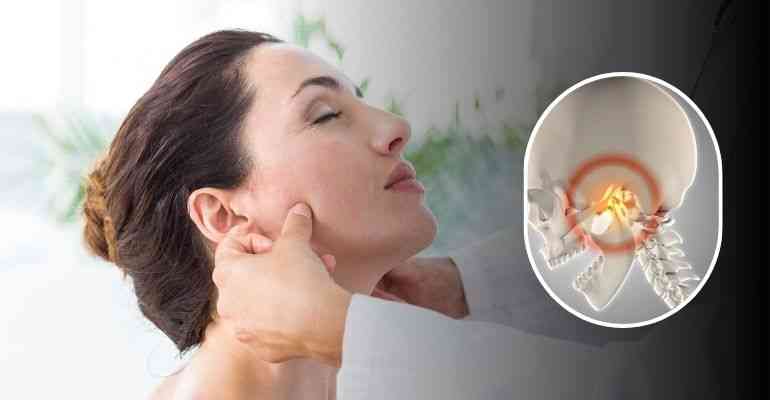
Your teenage son has been complaining of headaches for months. Your daughter winces when she opens her mouth wide to eat. They have both been brushing it off. You have been assuming it is school stress or growing pains. In many cases, it is neither. It is the jaw.
Temporomandibular joint (TMJ) disorders in teenagers are more common than most parents realise, and they are consistently underdiagnosed because the symptoms look so much like other conditions. Headaches get attributed to tension or screen time. Jaw clicks are dismissed as normal. Ear pain sends families to the ENT first. By the time the TMJ is identified as the source, weeks or months of unnecessary investigation and discomfort have passed.
This guide is written for parents in Mumbai who want to understand what teenage TMJ disorders actually look like, why they are particularly important to catch early in adolescents, and when to seek professional TMJ disorder diagnosis and treatment in Mumbai rather than waiting to see if things resolve on their own.
Why Teenagers Are Vulnerable to TMJ Disorders
Many parents are surprised to learn that adolescents are at meaningful risk for TMJ disorders. The assumption is that these are conditions affecting older adults whose joints have worn down over decades. But the biology of adolescence creates its own set of risk factors that are distinct from those driving adult TMJ disease.
The Orthodontic Connection
The teenage years are when most orthodontic treatment happens. Braces, clear aligners, and retainers all work by applying sustained forces to the teeth and the surrounding bone, and these forces necessarily affect the temporomandibular joints as the bite relationship changes through treatment. For most patients, orthodontic treatment proceeds without TMJ consequences. For a subset who have an underlying predisposition to joint dysfunction, the bite changes of active orthodontic treatment can trigger or exacerbate TMJ symptoms. This does not mean orthodontic treatment causes TMJ disorders as a rule — the evidence does not support that conclusion — but it does mean that teenagers in orthodontic treatment who develop jaw symptoms warrant prompt assessment rather than automatic dismissal of the symptoms as treatment-related.
Hormonal Changes and Joint Laxity
Oestrogen receptors are present in the temporomandibular joint capsule and articular tissues. The significant hormonal changes of puberty, particularly in girls, are associated with increased ligamentous laxity that can allow greater condylar translation and increase susceptibility to disc displacement. This is part of the reason why TMJ disorders are more prevalent in females and tend to emerge or worsen around puberty and early adulthood. A teenage girl who develops clicking and jaw pain during or after puberty is displaying a pattern that has a recognised physiological basis, not simply stress or habit.
Academic Pressure and Bruxism
Teenagers face significant academic and social pressures — board exams, competitive entrance preparation, social anxiety, and the emotional instability that is a normal part of adolescent development. These stressors drive subconscious jaw clenching and teeth grinding (bruxism) both during waking hours and during sleep. Bruxism overloads the temporomandibular joints and jaw muscles with forces that far exceed normal chewing loads, and sustained over months it produces the muscle pain, joint dysfunction, and morning jaw stiffness that are classic TMJ presentations. In Mumbai specifically, where academic pressure on teenagers is intensely high and sleep disruption is common, this pathway from academic stress to jaw disorder is clinically very relevant.
Screen Time and Posture
The forward head posture that is almost ubiquitous in teenagers who spend extended hours on phones, tablets, and laptops places the mandible in a retruded position relative to the skull that increases posterior joint loading. The upper cervical spine and the masticatory system are mechanically and neurologically interconnected, and sustained poor posture is a recognised perpetuating factor for TMJ muscle pain that is particularly relevant to adolescents' daily habits.
The Warning Signs: What Parents Should Watch For
The challenge with TMJ disorders in teenagers is that the symptoms are diffuse and frequently attributed elsewhere. Here is what to look for, and what each symptom may indicate about the state of the joint and muscles.
Jaw Clicking or Popping
A consistent click or pop on opening or closing the mouth is one of the most common and recognisable signs of a TMJ internal derangement — specifically a displacement of the articular disc from its normal position between the condyle and the temporal fossa. In reducible disc displacement, the condyle slips under the disc on opening, producing the click, and the disc repositions itself as the mouth closes. Many teenagers with this finding have it for months or years before it becomes painful, which is precisely why parents often dismiss it as "normal." It is not normal, and it warrants monitoring at minimum and assessment when it is accompanied by any other symptoms.
Morning Jaw Stiffness and Pain
If your teenager regularly wakes up with a stiff, sore jaw — particularly if the stiffness eases through the morning and worsens again by the end of the day — this is a strongly suggestive pattern for nocturnal bruxism-driven TMJ muscle disorder. The jaw muscles have been overworking through the night and are fatigued and in mild spasm on waking. Ask your teenager whether they notice jaw tightness or soreness most acutely in the mornings, and whether they wake at night from jaw discomfort. These are not complaints teenagers typically volunteer — they require direct, specific questioning.
Headaches, Particularly in the Temples
The temporalis muscle, the broad fan-shaped muscle on the side of the skull that is heavily involved in bruxism and clenching, generates referred pain patterns extending across the temple, forehead, and behind the eyes that are clinically indistinguishable from tension-type headache. A teenager who has regular "tension headaches," particularly if they tend to be worse on waking or after periods of concentration at a desk, may be experiencing temporalis-referred pain from TMJ muscle dysfunction rather than primary headache. If headache treatment has been tried without success, or if the headaches track closely with jaw stiffness or stress, TMJ assessment should be added to the diagnostic pathway.
Ear Symptoms Without Infection
The TMJ sits immediately adjacent to the ear canal and shares neural pathways with middle ear structures through the auriculotemporal nerve. TMJ disorders frequently produce ear symptoms including a sense of fullness or blockage, tinnitus, and pre-auricular pain that are indistinguishable from inner or middle ear pathology in the absence of clinical examination. A teenager who has been investigated by an ENT for ear symptoms that found no identifiable pathology should have the TMJ specifically assessed as the likely referral source. This pathway — from apparent ear problem to eventual TMJ diagnosis — is one of the most common diagnostic journeys in teenage TMJ disease.
Restricted Mouth Opening
If your teenager cannot open their mouth wide enough to comfortably eat an apple, yawn fully, or receive dental treatment without strain, the normal mouth opening range of 40 to 50 millimetres has likely been compromised by either joint-related mechanical restriction (disc displacement that has progressed to a locked position) or muscle guarding from pain and spasm. Sudden onset restricted opening in a teenager — particularly if accompanied by a history of clicking that has suddenly stopped — is an urgent presentation that warrants prompt assessment rather than watchful waiting. When a previously clicking joint suddenly stops clicking and becomes restricted, the disc has often transitioned from a reducible to a non-reducible displacement. The sooner this is assessed and treated, the more completely mouth opening can be restored.
Tooth Wear or Sensitivity
Parents and dentists who notice unusual flattening of the cusp tips or incisal edges of a teenager's teeth have direct evidence of significant bruxism. This tooth wear is not cosmetic damage — it is the visible record of thousands of hours of grinding force applied to the teeth and transmitted through the TMJ. Accelerated tooth wear in a teenager is itself an indication for TMJ assessment to identify and manage the bruxism before further dental and joint damage accrues. Generalised cold sensitivity across multiple teeth, without any individual tooth pathology to explain it, often reflects the early enamel thinning from grinding wear.
Why Early Diagnosis in Teenagers Is Particularly Important
In adults, the concern with untreated TMJ disorders is the progressive deterioration of an already-formed joint. In teenagers, there is an additional and more serious dimension: the condyle is still developing. The condylar cartilage is an active growth site in adolescence, and persistent joint dysfunction, inflammatory disease, or abnormal loading during this developmental period can alter condylar morphology, affect jaw growth symmetry, and produce changes in the facial skeleton that become permanent once the growth plates close.
Condylar resorption — the progressive loss of condylar bone volume from inflammatory joint disease — is significantly more common and faster-progressing in adolescents than in adults, particularly in teenage girls during and after puberty. Catching and managing inflammatory TMJ disease before it has caused measurable condylar bone loss is one of the most compelling clinical arguments for early TMJ disorder diagnosis and treatment Mumbai in adolescent patients.
Beyond the joint itself, untreated TMJ pain in teenagers has measurable impacts on academic performance, sleep quality, social engagement, and quality of life that adults with the same condition experience differently. A 15-year-old with chronic jaw pain and daily headaches is navigating that experience during some of the most consequential years of their development — board exam preparation, social relationships, and identity formation all happening simultaneously with unmanaged chronic pain. Early intervention is genuinely life-quality-altering, not simply medically appropriate.
What a Comprehensive TMJ Assessment Looks Like for a Teenager
A proper assessment for TMJ diagnosis in Mumbai in a teenage patient covers more ground than a standard dental check-up. Here is what a thorough first appointment involves.
Step 01 Detailed History Including Orthodontic and Growth Timeline
The clinician takes a thorough history covering the onset and character of all symptoms, the timing relative to orthodontic treatment, any known trauma to the jaw or neck, family history of TMJ disorders, bruxism history (including parent observation of grinding sounds during sleep), academic and psychological stressors, and sleep quality. The history for a teenager specifically includes questions about growth spurts, puberty timing, and any asymmetry of jaw or facial development that parents may have noticed.
Step 02 Clinical Examination
The examination measures maximum mouth opening, assesses the pattern of opening movement (straight, deviating, or S-pattern), palpates both TMJs for tenderness and characterises any sounds, systematically palpates the jaw muscles and upper cervical muscles for tenderness and referred pain patterns, examines the bite and teeth for evidence of bruxism wear, and performs a brief cervical spine assessment for neck restriction and upper cervical muscle tenderness.
Step 03 Imaging
A digital panoramic OPG provides an overview of condylar morphology, bone levels, and dental status. Cone beam CT (CBCT) is used when condylar bone changes are suspected or when three-dimensional assessment of the joint is needed. MRI is the only modality that directly visualises the articular disc position and is indicated when disc displacement is suspected and will influence treatment planning — particularly relevant for a teenager where disc status affects prognosis.
Step 04 Diagnosis and Treatment Planning
The findings are integrated to produce a diagnosis that specifies which category of TMJ disorder is present — myofascial pain, internal derangement, degenerative changes, or a combination. The treatment plan is then tailored to the adolescent patient, considering the growth status of the condyle, the ongoing orthodontic context if relevant, and the psychological and lifestyle factors driving the disorder.
Treatment Approaches for Teenage TMJ Disorders
Treatment for adolescent TMJ disorders follows the same staged, conservative-first philosophy as adult TMJ management, with specific adaptations for the adolescent context. The goal is symptom resolution, prevention of further joint damage, and protection of normal condylar growth.
Occlusal Splint Therapy
A custom-fabricated night splint is the most widely used first-line treatment for bruxism-driven TMJ disorders in teenagers. It reduces joint and muscle loading during sleep, provides disc decompression in early displacement cases, and gives the chronically overloaded masticatory system its first extended rest. For teenagers in orthodontic treatment, splint design requires coordination with the treating orthodontist to avoid interfering with active tooth movement.
Physiotherapy
A physiotherapist with specific orofacial training addresses the muscular and postural perpetuating factors — jaw muscle tension, upper cervical dysfunction, and the forward head posture from screen habits — that drive or maintain the disorder. Postural correction is particularly important for teenagers whose screen habits make forward head posture an almost constant feature of their daily life.
Stress and Habit Management
For teenagers where academic stress is a clear driver of bruxism, addressing the stress response is as clinically important as addressing the physical joint and muscle consequences. Jaw awareness training, mindfulness approaches, and in cases of significant anxiety, psychological support, are integrated components of a complete adolescent TMJ treatment programme.
Monitoring Condylar Growth
For teenagers with confirmed internal derangement or early condylar changes, periodic imaging to monitor condylar morphology through the remaining growth period is an important component of management at a quality TMJ disorder treatment in Mumbai clinic. This ensures that any progressive changes are identified early enough to modify treatment before they become permanent.
FAQs: TMJ Disorder Diagnosis in Teenagers
Q1: My teenager's jaw clicks but does not hurt. Do we still need to see a specialist?
A painless click that has been stable for a long period is lower urgency than a new, worsening, or painful click. However, a consistent jaw click in a teenager does represent an internal derangement of the disc — a structural change in the joint — and warrants at least one assessment by a practitioner experienced in TMJ disorder diagnosis and treatment in Mumbai to determine whether it is stable, whether it is likely to progress, and what the prognosis is for this specific joint at this specific stage of development. An adolescent whose disc displacement is identified and monitored early is in a significantly better position than one whose condition progresses to a locked joint or condylar resorption before any assessment has taken place.
Q2: Our teenager has been having headaches for months. Could these be jaw-related?
Absolutely. Temporalis-referred pain from jaw muscle dysfunction is one of the most common and most frequently missed causes of regular headache in teenagers. The pattern that most strongly suggests a jaw contribution is headaches that are worse on waking, track closely with periods of jaw stiffness, correlate with academic stress periods, or have not responded adequately to standard headache treatment. If there is any jaw symptom — clicking, morning stiffness, difficulty opening wide — alongside the headaches, the probability of a TMJ contribution is high. A clinical assessment at a TMJ diagnosis in Mumbai centre can confirm or exclude the jaw as a source within a single appointment and will avoid months of continued investigation through other specialist pathways if the TMJ is the driver.
Q3: My daughter is in orthodontic treatment and has started having jaw pain. Should her orthodontist be managing this?
Your orthodontist should absolutely be informed, but the management of TMJ disorders is a specialist area that most orthodontists are not trained to diagnose and treat comprehensively. The orthodontist can assess whether any recent treatment changes may have contributed and can pause or modify treatment if indicated. However, a comprehensive TMJ assessment and treatment plan — including the examination, imaging, and therapeutic interventions described in this guide — requires a practitioner with specific TMJ training. In most cases, the orthodontic treatment can continue in coordination with TMJ management, and the two specialties work collaboratively. What is not appropriate is for significant TMJ symptoms to be dismissed as a normal part of orthodontic treatment without proper assessment.
Q4: How is TMJ treatment for a teenager different from adult treatment?
The key difference is the condylar growth status. Because a teenager's condyle is still developing, any treatment that may affect condylar position or loading must be managed with awareness of this growth context. Repositioning splints that advance the mandible — sometimes used in adults with disc displacement — require very careful management in growing patients to avoid inducing unintended changes in jaw growth. Definitive occlusal reconstruction to address bite changes is generally deferred until growth is complete. Imaging for condylar monitoring is more important in adolescents than in adults where the joint is fully formed. These nuances are precisely why seeking TMJ disorder diagnosis and treatment in Mumbai from a practitioner with specific experience in adolescent cases, rather than general adult TMJ management, produces better and safer outcomes for teenage patients.
Q5: What should I bring to the first TMJ assessment appointment for my teenager?
Bring any previous dental or medical records relevant to the jaw and face, including orthodontic records and any previous X-rays. If your teenager has had investigations for headaches, ear symptoms, or neck pain, bring those results. Note down when the symptoms first appeared, what triggers or worsens them, what time of day they are worst, and whether any treatment has been tried and with what result. If possible, observe your teenager during sleep for a few nights before the appointment and note whether you hear any grinding sounds — this is one of the most useful pieces of diagnostic information for assessing nocturnal bruxism severity. A well-prepared first appointment at a TMJ clinic in mumbai allows the clinician to move directly to examination and treatment planning rather than spending the entire session on history-taking.
Conclusion: The Best Time to Act Is Before It Gets Worse
TMJ disorders in teenagers do not resolve spontaneously in most cases. The conditions that drive them — hormonal joint laxity, bruxism from academic stress, postural habits from screen time, and the mechanical changes of orthodontic treatment — are not temporary. Without assessment and management, the disorder progresses: discs that are displaced become locked, muscles that are overloaded develop chronic pain states, condyles that are inflamed during growth are resorbed.
For parents in Mumbai who recognise any of the warning signs described in this guide in their teenagers, the single most useful action is booking a proper assessment. A comprehensive TMJ disorder diagnosis and treatment in Mumbai consultation does not commit you to an extensive treatment programme. It gives you accurate information about what is happening in your teenager's jaw, what the prognosis is if left untreated, and what the treatment options are. Making that decision with accurate information is always better than waiting in hope.

 English
 Arabic
 French
 Spanish
 Portuguese
 Deutsch
 Turkish
 Dutch
Dutch
 Italiano
 Romaian
 Portuguese (Brazil)
 Greek
Greek
