


 Downloader
 Free FTP
Promote Your Product
Got a product, service, or story to share? Promote it directly to our active community and boost your brand today.
Create an Ad
Publish Bulk Blog Posts
Boost Your Reach! 📝
Have articles, guest posts, or bulk stories to publish? Send your content directly to our editorial team and feature on our platform.
Email Us Your PostsHow Temperature and Pressure Affect Wood Pellet Production
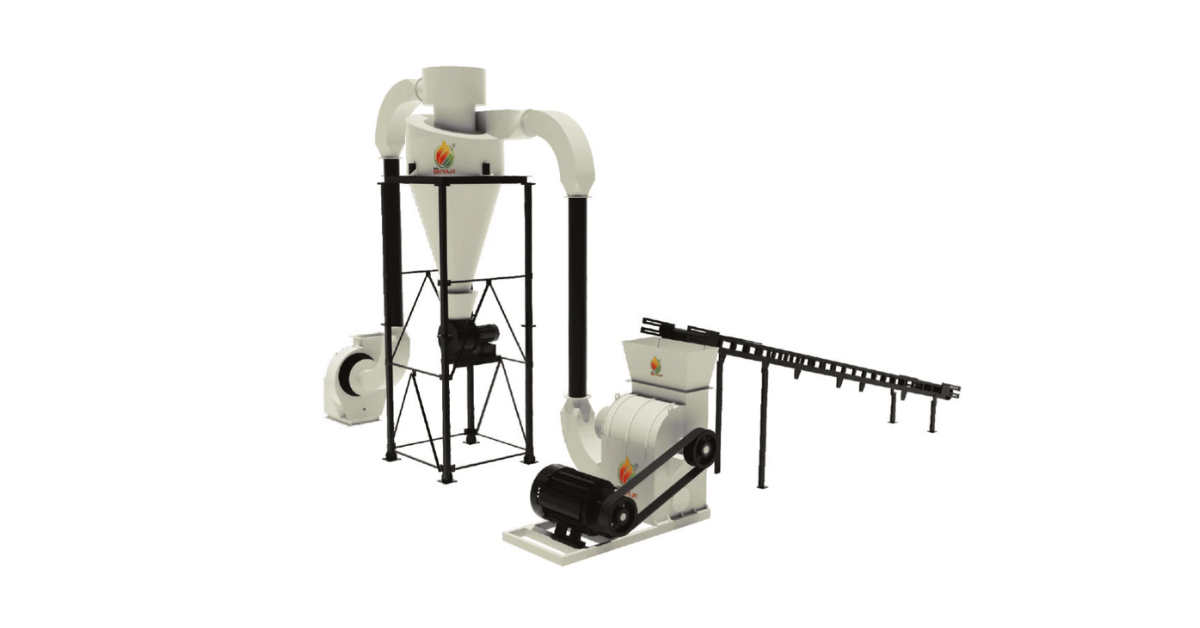
In the growing biomass energy sector, the efficiency of a wood pellet machine plays a crucial role in producing high-quality fuel. Temperature and pressure are two of the most critical factors that directly influence pellet durability, density, and combustion efficiency. Understanding how these parameters work can help manufacturers and operators optimize production, reduce waste, and improve overall pellet quality.
The Role of Temperature in Wood Pellet Production
Temperature is essential during the pelletizing process because it activates the natural binding agent found in biomass—lignin. When raw materials such as sawdust or wood chips are processed through a wood pellet machine, friction generates heat. This heat softens lignin, allowing it to bind the particles together into compact pellets.
If the temperature is too low, lignin will not soften properly, resulting in weak and crumbly pellets. On the other hand, excessively high temperatures can burn the material, degrade its quality, and even damage the equipment. Maintaining an optimal temperature range ensures smooth pellet formation and enhances the strength and appearance of the final product.
Additionally, proper temperature control helps reduce moisture content, which is vital for producing pellets with high calorific value and long shelf life. Consistent heat distribution also minimizes fines (dust particles), improving overall production efficiency.
The Impact of Pressure on Pellet Formation
Pressure is equally important in the pelletizing process. Inside the wood pellet machine, rollers compress the raw material through a die, applying high pressure to form dense and uniform pellets. This compression increases the energy density of the pellets, making them more efficient as a fuel source.
Insufficient pressure can lead to loose pellets that break easily during handling and transportation. Conversely, excessive pressure may cause blockages in the die, increase wear and tear on machine components, and lead to higher energy consumption.
Proper pressure ensures that the biomass particles are tightly compacted, resulting in durable pellets with smooth surfaces and consistent आकार. It also enhances combustion efficiency, as denser pellets burn more steadily and produce less ash.
Balancing Temperature and Pressure for Optimal Results
The key to efficient pellet production lies in maintaining the right balance between temperature and pressure. These two factors are interconnected—higher pressure often generates more heat due to friction, while temperature affects how easily the material can be compressed.
Operators must carefully monitor and adjust machine settings based on the type of raw material, moisture content, and desired pellet specifications. For instance, hardwood may require different pressure and temperature settings compared to softwood or agricultural residues.
Advanced wood pellet machines are equipped with control systems that help regulate these parameters, ensuring consistent production and minimizing downtime. Regular maintenance and calibration further enhance machine performance and pellet quality.
Factors That Influence Temperature and Pressure
Several external and operational factors can impact temperature and pressure during pellet production. Moisture content is one of the most critical variables; materials that are too wet or too dry can disrupt the balance and affect pellet quality. Particle size also plays a role, as uniformly ground material allows for better compression and heat distribution.
Die design, roller speed, and machine condition are additional factors that influence how temperature and pressure behave داخل the system. Using high-quality components and maintaining them properly can significantly improve production efficiency.
Benefits of Optimized Pellet Production
When temperature and pressure are properly controlled in a wood pellet machine, manufacturers can achieve several advantages. These include higher pellet durability, reduced production costs, improved energy efficiency, and consistent product quality.
Optimized production also reduces machine wear and minimizes downtime, leading to better profitability in the long run. High-quality pellets are in greater demand in both domestic and industrial markets, making it essential for manufacturers to focus on process optimization.
Conclusion
Temperature and pressure are the backbone of efficient wood pellet production. Their proper management ensures strong, dense, and high-quality pellets that meet market standards. By understanding their impact and maintaining the right balance, manufacturers can significantly enhance their production process.
If you are looking to improve your biomass processing efficiency with advanced technology and reliable solutions, Satyajit Greentech Pvt Ltd offers high-performance wood pellet machines designed to deliver consistent results. Upgrade your production process today and take a step towards sustainable and profitable biomass energy solutions.

 English
 French
 Spanish
 Portuguese
 Deutsch
 Turkish
 Dutch
Dutch
 Italiano
 Russian
 Romaian
 Portuguese (Brazil)
 Greek
Greek
