


 Downloader
 Free FTP
Promote Your Product
Got a product, service, or story to share? Promote it directly to our active community and boost your brand today.
Create an Ad
Publish Bulk Blog Posts
Boost Your Reach! 📝
Have articles, guest posts, or bulk stories to publish? Send your content directly to our editorial team and feature on our platform.
Email Us Your PostsBiometric Voice Recognition and Face Liveness Detection: The Future of Secure Identity Verification
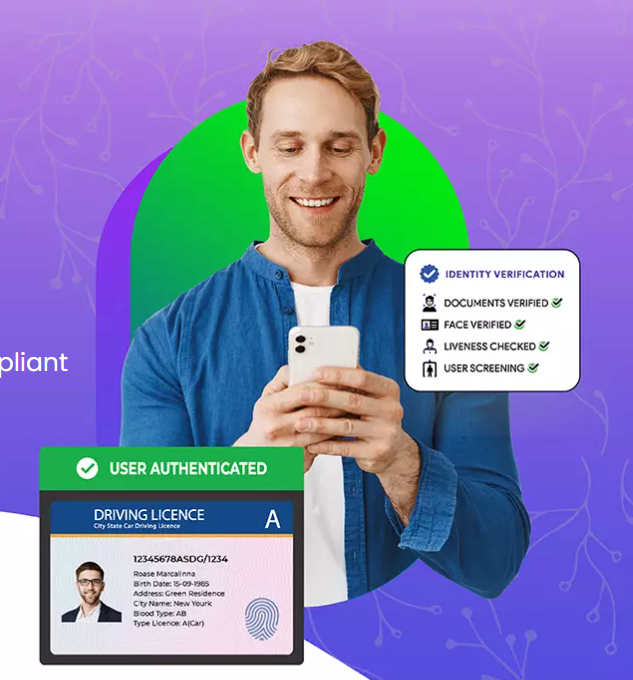
In today’s digital-first world, businesses are increasingly relying on advanced technologies to secure user identities and prevent fraud. Two of the most powerful innovations in this space are biometric voice recognition and face liveness detection. Together, they provide a robust, multi-layered approach to identity verification that enhances both security and user experience.
What is Biometric Voice Recognition?
Biometric voice recognition is a technology that uses a person’s unique vocal characteristics—such as pitch, tone, and speech patterns—to verify their identity. Unlike traditional passwords or PINs, voice biometrics are difficult to replicate, making them highly secure.
This technology is widely used in industries like banking, fintech, and customer support. It allows users to authenticate themselves simply by speaking, eliminating the need to remember complex passwords. Additionally, voice recognition systems can work in real-time, ensuring seamless and fast verification processes.
Understanding Face Liveness Detection
Face liveness detection is an advanced biometric security feature designed to distinguish between a real human face and spoofing attempts such as photos, videos, or masks. It ensures that the person being verified is physically present during the authentication process.
There are two main types of liveness detection:
-
Active Liveness Detection: Requires users to perform actions like blinking, smiling, or turning their head.
-
Passive Liveness Detection: Uses AI algorithms to analyze facial features and detect authenticity without requiring user interaction.
This technology plays a critical role in preventing identity fraud, especially in remote onboarding and digital KYC processes.
Benefits of Combining Voice Recognition and Face Liveness Detection
Integrating biometric voice recognition with face liveness detection creates a highly secure identity verification system. Here are the key advantages:
1. Enhanced Security
By combining two biometric factors, businesses can significantly reduce the risk of fraud, spoofing, and identity theft.
2. Frictionless User Experience
Users can authenticate quickly without remembering passwords or undergoing lengthy verification steps, improving overall satisfaction.
3. Real-Time Verification
Both technologies enable instant identity checks, which is essential for industries requiring quick decision-making.
4. Regulatory Compliance
These solutions help organizations comply with KYC (Know Your Customer) and AML (Anti-Money Laundering) regulations by providing reliable identity verification methods.
Use Cases Across Industries
-
Banking & Finance: Secure login, transaction authentication, and fraud prevention
-
Telecom: SIM registration and customer verification
-
E-commerce: Preventing fake accounts and fraudulent transactions
-
Healthcare: Protecting patient data and ensuring secure access
Why Businesses Should Adopt These Technologies
As cyber threats continue to evolve, traditional security methods are no longer sufficient. Biometric voice recognition and face liveness detection offer a future-ready solution that not only enhances security but also builds trust with users.
Companies that adopt these technologies can streamline onboarding, reduce operational costs, and stay ahead in a competitive digital landscape. With increasing demand for secure and seamless digital interactions, implementing advanced biometric solutions is no longer optional—it’s essential.
Conclusion
Biometric voice recognition and face liveness detection are transforming the way businesses approach identity verification. By combining convenience with cutting-edge security, these technologies are setting new standards in digital authentication. Investing in these solutions ensures long-term protection, compliance, and customer trust in an increasingly connected world.

 English
 Arabic
 French
 Spanish
 Portuguese
 Deutsch
 Dutch
Dutch
 Italiano
 Russian
 Romaian
 Portuguese (Brazil)
 Greek
Greek
