


 Downloader
 Free FTP
Promote Your Product
Got a product, service, or story to share? Promote it directly to our active community and boost your brand today.
Create an Ad
Publish Bulk Blog Posts
Boost Your Reach! 📝
Have articles, guest posts, or bulk stories to publish? Send your content directly to our editorial team and feature on our platform.
Email Us Your PostsWhy Doctors Recommend Operation to Remove Adenoids
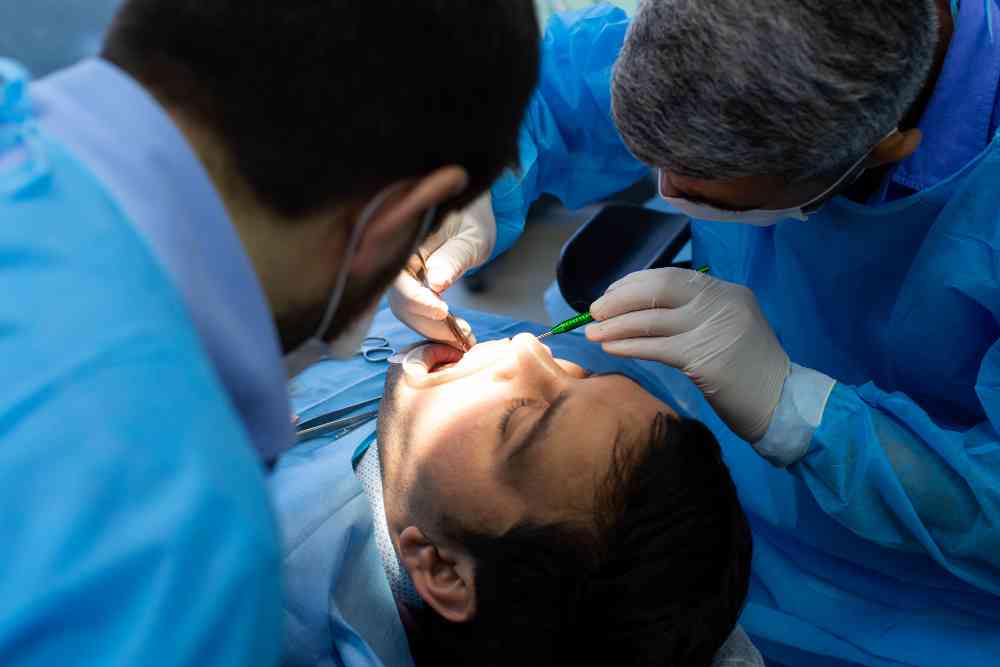
Adenoids are small glands located at the back of the nasal passage that play a role in fighting infections, especially in children. However, when they become enlarged or infected repeatedly, they can cause more harm than good. In such cases, doctors may suggest a surgery to remove adenoids and tonsils to improve breathing, reduce infections, and enhance overall quality of life.
Common Problems Caused by Enlarged Adenoids
Enlarged adenoids can lead to several health issues, particularly in children. Some of the most common problems include:
-
Difficulty breathing through the nose
-
Frequent ear infections
-
Snoring or sleep disturbances
-
Nasal congestion and blocked sinuses
-
Mouth breathing
If these symptoms persist, medical treatment alone may not be enough, and surgical intervention might be recommended.
When Do Doctors Recommend Adenoid Removal?
Doctors usually recommend surgery when symptoms become chronic and start affecting daily life. Here are some key situations where an operation may be necessary:
-
Repeated infections that don’t respond to medication
-
Sleep apnea or severe snoring
-
Hearing problems due to fluid buildup in the ears
-
Difficulty in breathing or swallowing
In such cases, an operation to remove adenoids can provide long-term relief and prevent further complications.
Benefits of Adenoid Surgery
Adenoid removal is a common and generally safe procedure that offers several benefits:
-
Improved Breathing: Clears nasal airways for easier breathing
-
Better Sleep Quality: Reduces snoring and sleep disturbances
-
Fewer Infections: Lowers the frequency of throat and ear infections
-
Enhanced Quality of Life: Helps children and adults feel more comfortable and active
These improvements can significantly impact overall health and well-being.
What to Expect During the Procedure
The surgery is typically performed under general anesthesia and takes a short amount of time. It is often done as a day procedure, meaning patients can go home the same day. The surgeon removes the adenoids through the mouth, so there are no visible cuts or scars.
Recovery is usually quick, with most patients returning to normal activities within a week. Mild discomfort, sore throat, or nasal congestion may occur temporarily but can be managed with medication and proper care.
Post-Surgery Care Tips
To ensure a smooth recovery, patients should follow these simple guidelines:
-
Get plenty of rest
-
Stay hydrated
-
Avoid hard or spicy foods for a few days
-
Follow the doctor’s instructions carefully
-
Attend follow-up appointments
Proper aftercare helps prevent complications and supports faster healing.
Conclusion
Doctors recommend adenoid removal when the condition starts affecting breathing, sleep, and overall health. With modern medical techniques, the procedure is safe, quick, and highly effective. By addressing the root cause of recurring issues, this surgery can greatly improve quality of life. If symptoms persist despite treatment, consulting a specialist can help determine whether surgery is the right option.
FAQs
1. Is adenoid removal surgery safe?
Yes, it is a common and safe procedure performed by experienced doctors with minimal risks.
2. How long does it take to recover from adenoid surgery?
Most patients recover within 5 to 7 days, although full healing may take a bit longer.
3. Can adults undergo adenoid removal surgery?
Yes, while more common in children, adults with persistent issues can also benefit from the procedure.

 English
 Arabic
 French
 Spanish
 Portuguese
 Turkish
 Dutch
Dutch
 Italiano
 Russian
 Romaian
 Portuguese (Brazil)
 Greek
Greek
