


 Downloader
 Free FTP
Promote Your Product
Got a product, service, or story to share? Promote it directly to our active community and boost your brand today.
Create an Ad
Publish Bulk Blog Posts
Boost Your Reach! 📝
Have articles, guest posts, or bulk stories to publish? Send your content directly to our editorial team and feature on our platform.
Email Us Your PostsInterior Designing in Pakistan: Transforming Spaces with Style and Elegance
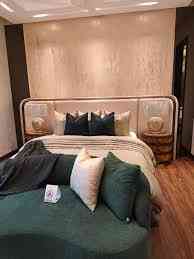
Interior designing in Pakistan has become an essential aspect of modern living, as more homeowners and businesses seek to create spaces that are not only functional but also aesthetically pleasing. From luxurious residential homes to contemporary offices, the demand for professional interior designers who can blend creativity with practicality is rapidly increasing across the country. Whether it’s incorporating traditional Pakistani elements or embracing global design trends, interior designing plays a vital role in reflecting personality, culture, and lifestyle through the built environment.
The Rising Trend of Interior Designing in Pakistan
In recent years, Pakistan has witnessed a surge in interest in interior designing. Urbanization, rising incomes, and exposure to international design trends have prompted individuals to invest in personalized and innovative interiors. Cities like Lahore, Karachi, and Islamabad have become hubs for top-tier interior designers offering bespoke services ranging from minimalistic modern designs to opulent traditional layouts. Homeowners increasingly recognize that thoughtful interior design can enhance comfort, boost productivity, and even improve mental well-being.
Key Elements of Modern Interior Designing
Professional interior designers in Pakistan focus on several core elements to create harmonious and functional spaces:
-
Space Planning: Proper utilization of available space ensures flow, functionality, and convenience, whether it’s a small apartment or a large villa.
-
Color Schemes: Choosing the right palette is crucial for setting the mood of a room. Designers in Pakistan often blend neutral tones with vibrant accents inspired by local culture.
-
Furniture and Fixtures: Quality, style, and placement of furniture directly influence the aesthetics and comfort of a space. Custom-made furniture has become increasingly popular.
-
Lighting Design: Strategic lighting enhances architectural features and creates ambiance, balancing natural light with artificial solutions.
-
Materials and Textures: Incorporating a mix of wood, metal, fabric, and stone allows designers to add depth and tactile appeal to interiors.
Popular Interior Design Styles in Pakistan
Pakistani interior designers are increasingly adept at blending local traditions with global trends. Some popular styles include:
-
Modern Minimalism: Clean lines, neutral colors, and functional spaces dominate this style, perfect for urban apartments and offices.
-
Classic Traditional: Rich textures, intricate woodwork, and heritage-inspired décor reflect Pakistan’s cultural roots.
-
Contemporary Fusion: Combining modern elements with ethnic motifs creates a unique balance between tradition and innovation.
-
Luxury Design: High-end finishes, designer furniture, and statement décor elements cater to those seeking opulence.
Role of Technology in Interior Designing
Technology has revolutionized interior designing in Pakistan. Designers now use 3D rendering, virtual reality (VR), and computer-aided design (CAD) to provide clients with realistic previews of their spaces before implementation. This not only helps in better visualization but also reduces errors and ensures projects are delivered on time and within budget.
Choosing the Right Interior Designer
Selecting a professional interior designer is crucial for achieving the desired outcome. Here are some tips:
-
Portfolio Review: Examine previous projects to assess style and expertise.
-
Client Feedback: Testimonials provide insight into reliability and professionalism.
-
Customization Ability: A designer should adapt designs to client needs rather than using a one-size-fits-all approach.
-
Budget Management: A skilled designer ensures quality results without overshooting the budget.
The Future of Interior Designing in Pakistan
The future of interior designing in Pakistan looks promising, with increasing awareness of the importance of curated spaces. Sustainable design practices, eco-friendly materials, and smart home technologies are becoming integral to modern projects. As lifestyles evolve, interior designers will continue to innovate, offering solutions that combine beauty, efficiency, and cultural relevance.
Conclusion
Interior designing in Pakistan is no longer a luxury—it has become a necessity for anyone looking to enhance the aesthetics, functionality, and value of their space. By merging creativity with strategic planning, professional designers are transforming ordinary interiors into extraordinary experiences. Whether for homes, offices, or commercial spaces, investing in quality interior design ensures a harmonious environment that reflects individuality while embracing modern trends.

 English
 Arabic
 French
 Spanish
 Portuguese
 Deutsch
 Turkish
 Dutch
Dutch
 Italiano
 Russian
 Romaian
 Portuguese (Brazil)
