


 Downloader
 Free FTP
Promote Your Product
Got a product, service, or story to share? Promote it directly to our active community and boost your brand today.
Create an Ad
Publish Bulk Blog Posts
Boost Your Reach! 📝
Have articles, guest posts, or bulk stories to publish? Send your content directly to our editorial team and feature on our platform.
Email Us Your PostsOffshore Tax Advisory vs In-House Tax Teams: Cost-Benefit Analysis for CFOs
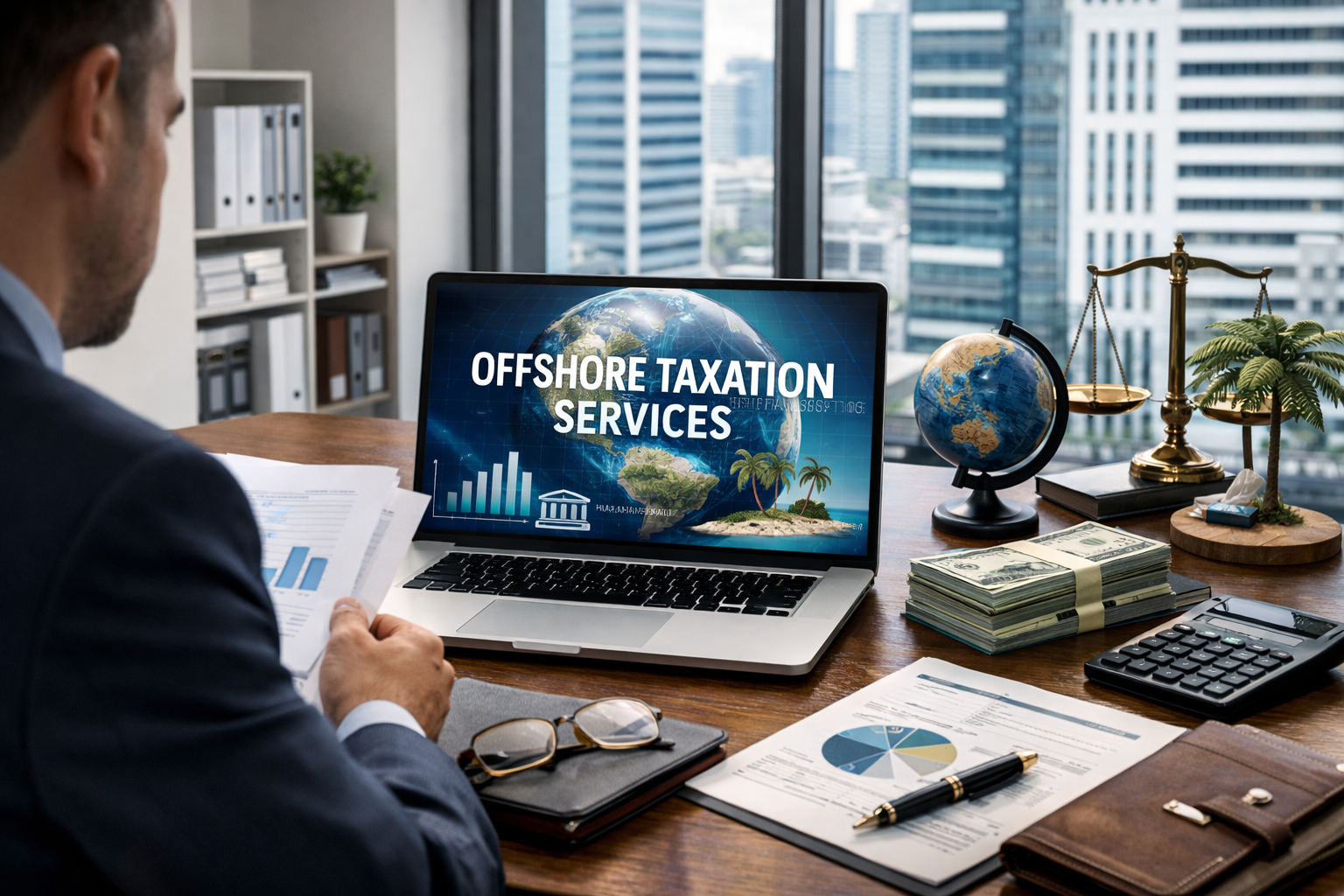
In today’s global business environment, CFOs face increasing pressure to optimize tax strategies while ensuring compliance across multiple jurisdictions. One of the most critical decisions they must make is:
Should we build an in-house tax team or leverage offshore tax advisory services?
This decision directly impacts cost efficiency, scalability, compliance, and long-term financial strategy. Let’s break down the real cost-benefit analysis to help CFOs make informed decisions.
Understanding the Two Models
Before diving into the comparison, it’s important to understand what each model offers.
In-House Tax Teams
These are internal teams responsible for:
-
Tax compliance and filings
-
Financial reporting
-
Regulatory adherence
-
Strategic tax planning
Offshore Tax Advisory Services
These involve outsourcing tax-related functions to specialized global teams that offer:
-
International tax expertise
-
Scalable resources
-
Cost-effective operations
-
Advanced compliance support
Cost Comparison: The CFO’s First Priority
In-House Costs
Building an internal tax team involves significant expenses:
-
Salaries and benefits
-
Training and development
-
Technology infrastructure
-
Office and operational costs
For example, hiring a senior tax manager in the U.S. can cost upwards of $120,000 annually, excluding overhead.
Offshore Costs
Offshore models significantly reduce expenses by:
-
Leveraging lower-cost talent markets
-
Minimizing infrastructure investment
-
Offering flexible pricing models
-
companies can reduce operational costs by 40–60% while maintaining high-quality output.
Scalability and Flexibility
In-House Limitations
Scaling an internal team is time-consuming and costly:
-
Recruitment delays
-
Training requirements
-
Fixed capacity limitations
Offshore Advantage
Offshore teams provide:
-
On-demand scalability
-
Immediate access to skilled professionals
-
Flexibility during peak tax seasons
This is especially valuable for firms handling seasonal workloads or rapid expansion.
Access to Global Expertise
In-House Constraints
Internal teams may lack:
-
Specialized international tax knowledge
-
Exposure to multiple jurisdictions
-
Expertise in evolving global regulations
Offshore Strength
Offshore providers bring:
-
Multi-country tax expertise
-
Knowledge of global frameworks like BEPS
-
Experience in cross-border compliance
This is critical for companies operating in multiple regions.
Compliance and Risk Management
In-House Risks
-
Limited bandwidth for regulatory updates
-
Higher risk of compliance gaps
-
Dependence on a small team
Offshore Risk Mitigation
Offshore advisory firms:
-
Continuously monitor regulatory changes
-
Implement standardized compliance processes
-
Reduce audit risks
For CFOs, this translates into better control and reduced exposure to penalties.
Technology and Infrastructure
In-House Challenges
Maintaining advanced tax technology requires:
-
High investment
-
Regular upgrades
-
IT support
Offshore Efficiency
Offshore providers typically:
-
Use advanced tax software
-
Offer cloud-based solutions
-
Automate reporting and compliance
This allows businesses to access cutting-edge tools without heavy investment.
Turnaround Time and Productivity
In-House Limitations
-
Fixed working hours
-
Limited team capacity
-
Slower turnaround during peak periods
Offshore Benefits
With global delivery models:
-
Work continues across time zones
-
Faster project completion
-
Improved productivity
This “follow-the-sun” model is a major advantage for time-sensitive tax operations.
Real-World Example
A mid-sized multinational company struggled with rising tax compliance costs and delayed filings due to limited in-house capacity.
After transitioning to an offshore model:
-
Operational costs reduced by 50%
-
Filing timelines improved significantly
-
Compliance accuracy increased
This allowed the CFO to reallocate resources toward strategic initiatives.
When In-House Teams Make Sense
Despite the advantages of offshoring, in-house teams are beneficial when:
-
Businesses require constant on-site collaboration
-
Tax operations are relatively simple
-
There is a need for tight internal control
When Offshore Tax Advisory Is the Better Choice
Offshore solutions are ideal for:
-
Companies with global operations
-
Firms facing talent shortages
-
Businesses looking to reduce costs
-
Organizations requiring specialized expertise
Hybrid Model: The Best of Both Worlds
Many CFOs are now adopting a hybrid approach:
-
Core strategy managed in-house
-
Execution and compliance handled offshore
This model offers:
-
Strategic control
-
Operational efficiency
-
Cost optimization
Key Questions CFOs Should Ask
Before choosing a model, CFOs should consider:
-
What is our current tax cost structure?
-
Do we have access to global tax expertise?
-
How scalable is our current team?
-
Are we prepared for evolving tax regulations?
Answering these questions helps in making a data-driven decision.
Future Trends in Tax Advisory
The tax function is evolving rapidly with:
-
Increased globalization
-
Complex compliance requirements
-
Integration of AI and automation
-
Greater reliance on offshore expertise
CFOs who adapt to these trends will gain a competitive advantage.
Final Verdict: Which Model Wins?
There is no one-size-fits-all answer. However, for most growing and global businesses, offshore tax advisory offers clear advantages:
Why Offshore Wins
-
Lower costs
-
Greater scalability
-
Access to global expertise
-
Improved compliance
Where In-House Still Matters
-
Strategic decision-making
-
Internal coordination
-
High-control environments
Final Thoughts
For modern CFOs, the decision is no longer about choosing one model over the other—it’s about building a smart, efficient tax function.
By leveraging offshore taxation services strategically, businesses can:
-
Optimize costs
-
Enhance compliance
-
Scale efficiently
In a world of increasing tax complexity, the right mix of in-house and offshore capabilities can drive long-term financial success.

 English
 Arabic
 French
 Spanish
 Portuguese
 Deutsch
 Dutch
Dutch
 Italiano
 Russian
 Romaian
 Portuguese (Brazil)
 Greek
Greek
