


 Downloader
 Free FTP
Promote Your Product
Got a product, service, or story to share? Promote it directly to our active community and boost your brand today.
Create an Ad
Publish Bulk Blog Posts
Boost Your Reach! 📝
Have articles, guest posts, or bulk stories to publish? Send your content directly to our editorial team and feature on our platform.
Email Us Your PostsAir Cooled Heat Exchangers Houston Plants Rely On Daily
Why air cooling keeps coming up in plant discussions
When water availability tightens or operating costs start creeping up, engineers begin looking at alternatives. That’s usually when air cooled heat exchangers enter the conversation — not as a new idea, but as a practical shift in how heat gets rejected.
Around that same time, someone asks whether the existing heat exchanger setup is still doing the job it was originally designed for.
That question matters more than it sounds.
What these systems are actually doing in the field
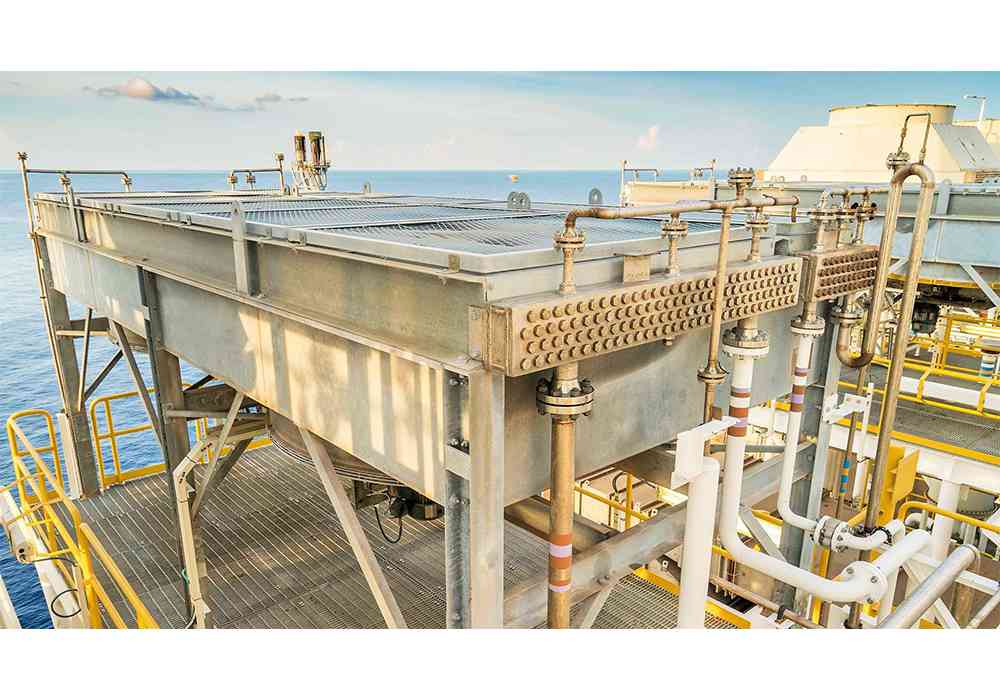
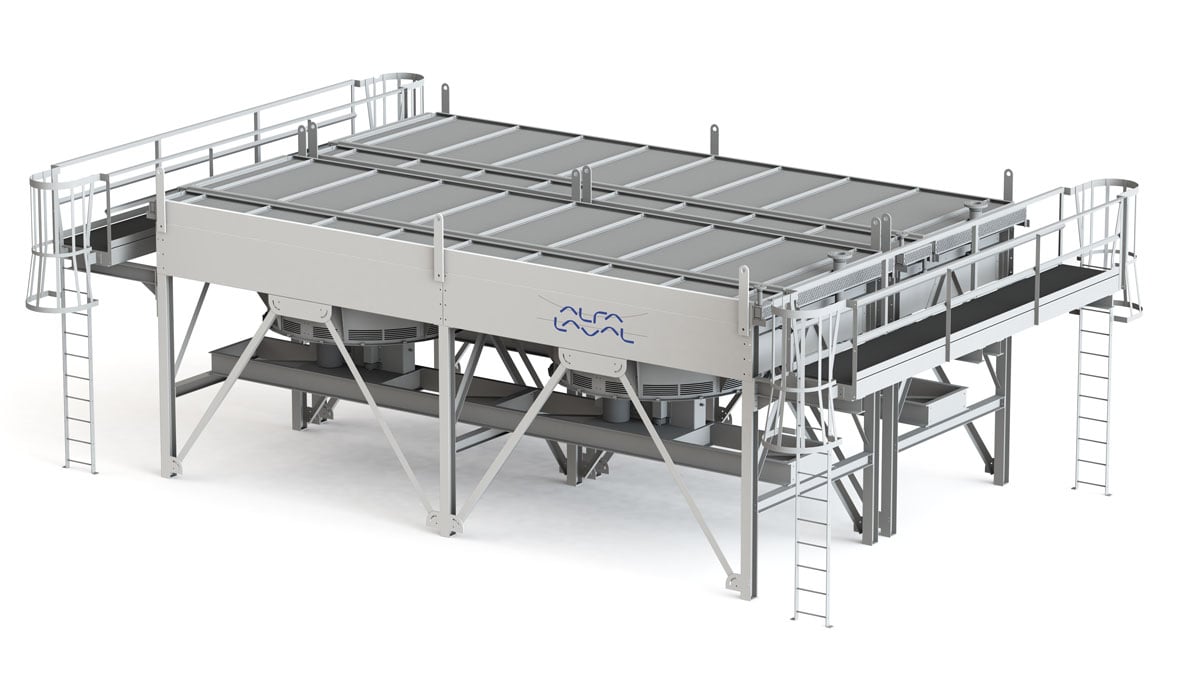
At a basic level, air cooled units use ambient air to remove heat from process fluids. Fans pull or push air across finned tubes, carrying heat away without relying on cooling water systems.
Simple concept.
But once you factor in ambient temperatures, airflow patterns, and real plant conditions, things get a little more complicated. Performance isn’t just about the unit — it’s about the environment it’s working in.
Where air cooled systems make the most sense
These exchangers shine where water is limited, expensive, or difficult to manage.
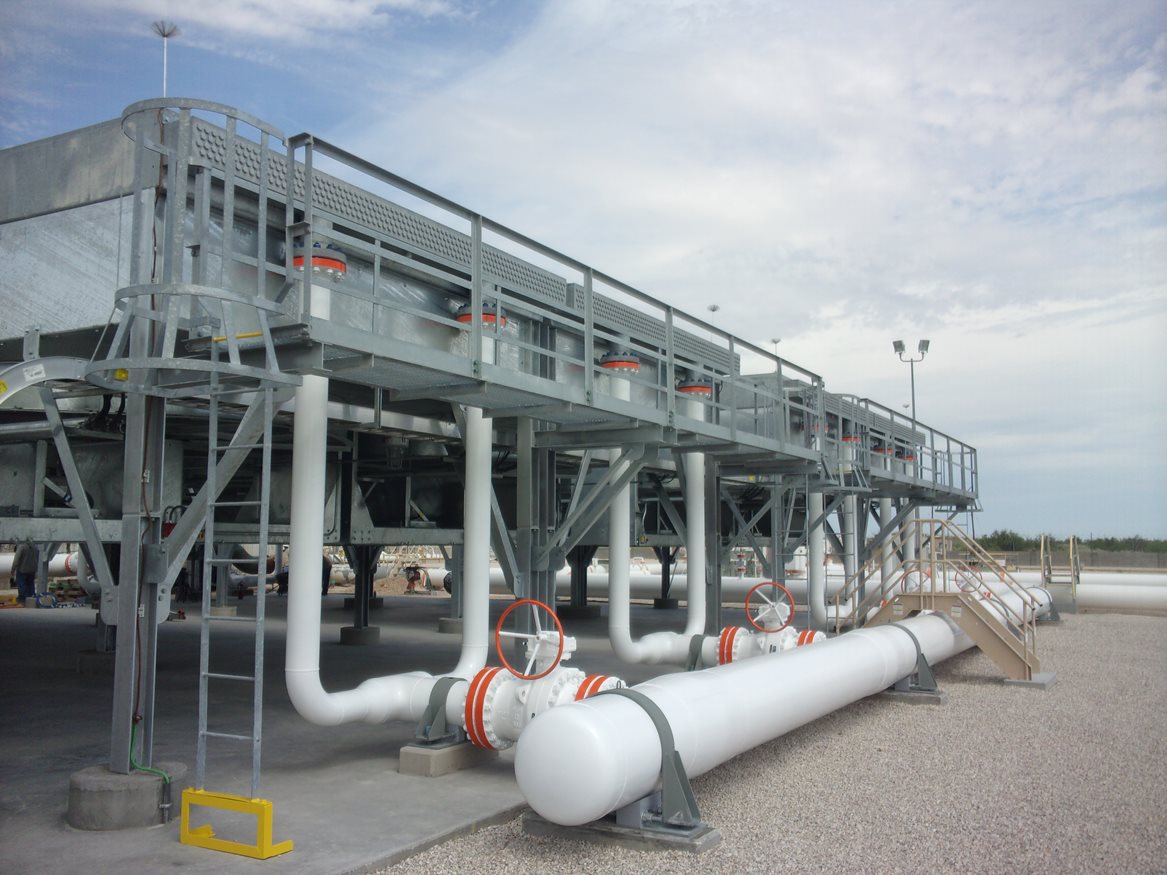
Refineries and petrochemical plants across Houston often use them to reduce dependence on cooling towers, especially in applications where water treatment and disposal add ongoing cost and complexity. In those cases, air becomes the more predictable medium.
And that predictability has value.
Why ambient conditions change everything
Here’s the part that trips people up.
Air cooled performance depends heavily on the surrounding environment. Houston summers aren’t exactly forgiving — high temperatures, humidity, and fluctuating conditions all affect how efficiently heat gets rejected.
So a unit that looks great on paper might struggle under peak summer loads.
That’s not a design flaw. It’s reality.
The trade-offs most teams have to weigh
You gain independence from water systems, but you trade for sensitivity to ambient conditions.
Fan power becomes part of your operating cost. Noise can become a consideration depending on placement. And footprint — while not massive — still needs to be accounted for, especially in crowded facilities.
So it’s always a balance.

Why system integration matters more than the unit itself
Air cooled units don’t operate in isolation.
They tie into broader process equipment Houston plants depend on — pumps, piping, control systems, and often other exchanger types like shell and tube heat exchangers or plate and frame heat exchangers. If one piece is off, performance suffers across the system.
That’s why experienced engineers look at the full picture, not just the exchanger.
Ever seen a cooling system struggle only during peak production?
It’s a common scenario.
Everything runs fine most of the year, then summer hits, production ramps up, and suddenly the system can’t keep up. Temperatures drift, efficiency drops, and operators start making adjustments to compensate.
So the question becomes — was the unit undersized, or were conditions underestimated?
That’s where hindsight kicks in.
What inventory availability changes when things go wrong
Kinetic Engineering Corporation has been operating in Houston since 1969, and one thing they’ve built their reputation on is availability.
They stock equipment.
Their inventory includes a wide range of Houston heat exchangers — including air cooled heat exchangers — ready to move when plants need them. That stocking model matters when a system fails and waiting weeks isn’t an option.
Because outages don’t pause for procurement cycles.
One reality about air cooled systems in industrial service
Environment always wins.
How air cooled exchangers support long-term operations
When properly applied, these systems bring stability.
They reduce reliance on water infrastructure, simplify certain maintenance aspects, and provide consistent heat rejection when conditions are accounted for correctly. Over time, that can translate into lower operating complexity and fewer surprises.
But it only works if the system is designed with real conditions in mind.
Why experience shapes better equipment decisions
Anyone can recommend an air cooled unit based on specs.
But understanding how it behaves in Houston conditions — how humidity impacts performance, how layout affects airflow, how systems respond under load — that comes from experience. The kind you get from decades of working in industrial heat transfer Houston environments.
Kinetic Engineering has spent over 55 years doing exactly that. They’ve seen what works, what doesn’t, and where assumptions tend to break down.
That perspective matters.
Why Houston facilities turn to Kinetic when it counts
Being based in Houston puts Kinetic right in the middle of the Gulf Coast industrial corridor, close to the facilities they serve.
But the real advantage is how they operate as a heat exchanger distributor Houston plants rely on — stocking inventory, understanding applications, and moving quickly when timing matters. Whether it’s air cooled units or other process equipment Houston operations depend on, they’re built around getting the right solution in place without delay.
If you’re evaluating air cooled heat exchangers or questioning whether your current setup is keeping up with demand, start with Kinetic Engineering Corporation. They’ve been solving these problems since 1969 — and they’ll give you a straight answer on what works for your system.
FAQ From Engineers And Procurement Teams
Are air cooled heat exchangers suitable for all applications?
No. They work best where water use is limited and ambient conditions are accounted for in design.
How does Houston climate affect performance?
High temperatures and humidity can reduce cooling efficiency, especially during peak summer conditions.
Can air cooled systems replace water-based cooling entirely?
In some cases, yes — but it depends on process requirements and operating conditions.
How quickly can air cooled units be sourced in Houston?
Stocking distributors can often provide faster turnaround compared to made-to-order suppliers.

 English
 Arabic
 French
 Spanish
 Portuguese
 Deutsch
 Turkish
 Italiano
 Russian
 Romaian
 Portuguese (Brazil)
 Greek
Greek
