

 Downloader
 Free FTP
Promote Your Product
Got a product, service, or story to share? Promote it directly to our active community and boost your brand today.
Create an Ad
Publish Bulk Blog Posts
Boost Your Reach! 📝
Have articles, guest posts, or bulk stories to publish? Send your content directly to our editorial team and feature on our platform.
Email Us Your PostsHow Does A Packaging Bag Manufacturer Design Reliable Mineral Bags
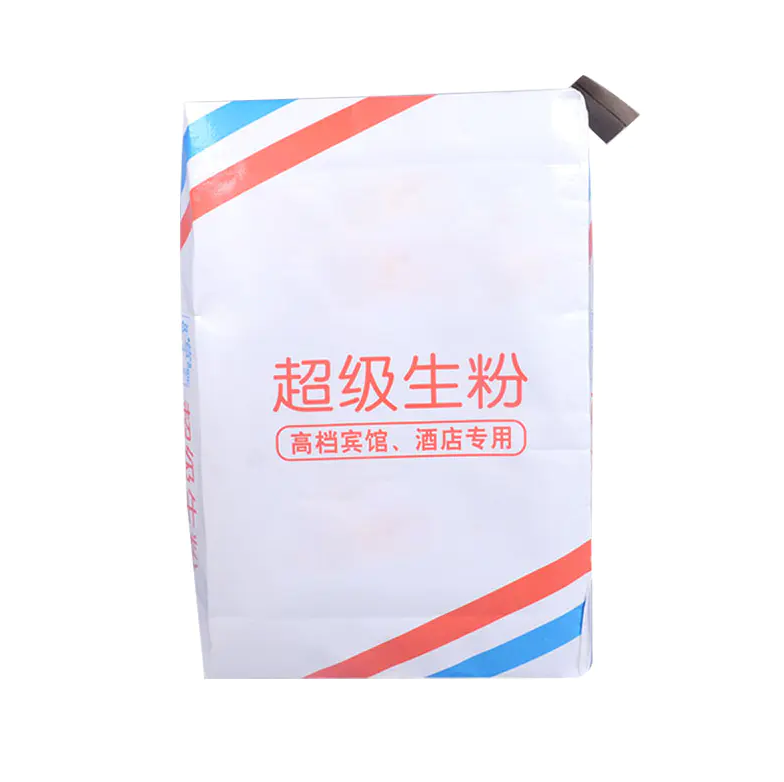
Bulk minerals often travel long distances before reaching processors, distributors, or construction sites. During transportation and storage, exposure to humidity, dust, and changing temperatures can gradually affect material quality. For this reason, many companies rely on a professional Packaging Bag Manufacturer capable of producing Moisture-proof Mineral Bags that help maintain the stability of mineral powders, granules, and processed ores.
Mineral products may appear stable at first glance, yet many of them respond quickly to environmental moisture. Limestone powder, bentonite, cement additives, and other fine materials can absorb humidity and form lumps. This issue may interfere with mixing, processing, or measuring during later production stages. Packaging therefore becomes more than a simple container; it functions as a protective barrier throughout the logistics process.
A specialized packaging manufacturer often begins by studying the characteristics of the mineral being packed. Particle size, density, and moisture sensitivity influence the type of packaging structure selected. Multi-layer paper bags combined with inner plastic liners are commonly used, as the paper layer provides strength while the liner helps reduce moisture penetration. This layered design allows the bag to remain breathable enough for safe handling while still protecting the product.
Material selection plays a key role in the performance of moisture-resistant mineral bags. Kraft paper is widely used due to its durability and resistance to tearing during loading and unloading. Some packaging solutions integrate polyethylene or polypropylene films between paper layers to create additional moisture barriers. When these materials are properly laminated, the bag structure maintains flexibility while improving protection from damp environments.
Manufacturing technology also contributes to packaging reliability. Advanced bag forming equipment ensures consistent dimensions and strong side seams. Proper sealing techniques prevent leakage of fine mineral powders while maintaining structural stability. A well-constructed bottom seal allows bags to stand upright during filling and stacking, which helps improve warehouse efficiency and transportation safety.
Another aspect that packaging engineers consider is how mineral bags behave during storage. Pallets may remain inside warehouses or ports for extended periods. Temperature variations between day and night sometimes cause condensation, especially in coastal or humid regions. Moisture-resistant packaging slows down vapor transmission, reducing the chance that mineral powders absorb water from surrounding air.
Environmental awareness has also influenced modern packaging design. Many mineral suppliers seek packaging that balances durability with responsible material use. Some manufacturers explore recyclable paper structures or reduced plastic content while maintaining necessary protective performance. Careful material engineering allows packaging solutions to support sustainability goals without compromising product safety.
Transportation conditions add another layer of complexity. Mineral products frequently move through trucks, railways, and cargo vessels before reaching their final destination. Packaging bags must withstand repeated handling, vibration, and stacking pressure. Reinforced bag edges and strong adhesives help prevent tearing when bags are lifted or transported by forklifts.
Clear printing on the outer bag surface provides additional practical value. Mineral producers often require information such as product grade, batch numbers, or safety instructions. High-quality printing ensures this information remains visible throughout storage and shipping. Accurate labeling also supports traceability and quality control in supply chains.
Cooperation between mineral producers and packaging manufacturers often leads to better packaging performance. Field testing helps identify improvements in bag thickness, liner structure, or sealing strength. Feedback from warehouse workers and transport operators may highlight areas where packaging design can be refined to improve handling convenience.
Reliable packaging ultimately contributes to operational efficiency. Minerals that arrive in stable condition require less reprocessing and produce less material waste. Handling workers also benefit from packaging that maintains shape and strength during stacking and movement.

 Arabic
 French
 Spanish
 Portuguese
 Deutsch
 Turkish
 Dutch
 Italiano
 Russian
 Romaian
 Portuguese (Brazil)
 Greek