


 Downloader
 Free FTP
Promote Your Product
Got a product, service, or story to share? Promote it directly to our active community and boost your brand today.
Create an Ad
Publish Bulk Blog Posts
Boost Your Reach! 📝
Have articles, guest posts, or bulk stories to publish? Send your content directly to our editorial team and feature on our platform.
Email Us Your PostsLithium Strip: Properties, Uses, Manufacturing, and Industrial Applications
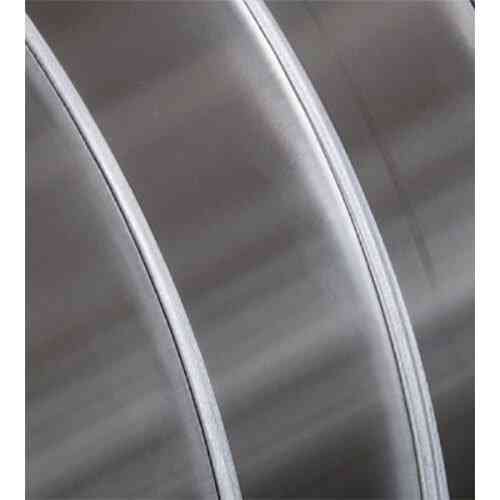
A lithium strip is a thin, flat piece of lithium metal widely used in laboratories, battery research, and various industrial applications. Lithium is known as the lightest metal and one of the most reactive elements in the periodic table. Because of its unique properties such as high energy density, low weight, and strong electrochemical potential, lithium has become an essential material in modern technology.
Lithium strips are particularly important in battery development, chemical synthesis, and electrochemical experiments. Scientists and engineers often prefer lithium strips because they provide a controlled amount of lithium for experiments and reactions. These strips are usually cut from pure lithium metal and stored in protective environments to prevent reactions with moisture or oxygen.
With the rapid growth of technologies like electric vehicles, renewable energy storage, and advanced electronics, lithium materials have gained global importance. In this article, we will explore what lithium strips are, their properties, manufacturing process, industrial applications, and safety precautions.
What is a Lithium Strip?
A lithium strip is a narrow, thin section of lithium metal that is typically produced by cutting lithium sheets or rods into smaller pieces. These strips are commonly used in chemical laboratories and research facilities where precise amounts of lithium are required.
Lithium strips are usually silvery-white in color and extremely soft, making them easy to cut and shape. Because lithium reacts rapidly with oxygen and water, it is normally stored in mineral oil or sealed containers filled with inert gas such as argon.
Lithium strips are widely used in several fields including:
-
Electrochemical research
-
Lithium-ion battery development
-
Chemical synthesis
-
Metallurgical processes
-
Energy storage technologies
Their controlled size and surface area make them very useful in scientific and industrial applications.
Physical and Chemical Properties of Lithium Strips
Lithium strips have several important physical and chemical properties that make them valuable in modern technology.
Lightweight Structure
Lithium is the lightest metal in the periodic table, which makes lithium strips extremely lightweight. This property is especially important in applications where weight reduction is essential, such as batteries and aerospace materials.
High Reactivity
Lithium is highly reactive with water and oxygen. When lithium reacts with water, it produces lithium hydroxide and hydrogen gas. Due to this reactivity, lithium strips must be handled carefully and stored properly.
High Energy Density
Lithium has one of the highest electrochemical potentials among metals. This allows lithium to store a large amount of energy, making it a critical material in lithium-ion batteries.
Soft and Malleable
Lithium metal is soft and can easily be cut into thin strips or sheets. This makes it easy to prepare lithium strips with precise dimensions.
Good Electrical Conductivity
Lithium is also a good conductor of electricity, which makes lithium strips useful in electrochemical and battery research.
How Lithium Strips Are Manufactured
The production of lithium strips involves several steps to ensure purity and safety.
Lithium Extraction
Lithium is extracted from natural sources such as salt brines and mineral ores like spodumene and petalite. These sources contain lithium compounds that are processed to obtain lithium metal.
Purification Process
After extraction, lithium undergoes purification processes to remove impurities and produce high-purity lithium metal suitable for industrial and scientific applications.
Metal Forming
The purified lithium metal is melted and formed into sheets, rods, or blocks through specialized metal processing techniques.
Strip Cutting
The lithium sheets are then cut into thin strips of specific sizes depending on the application requirements.
Storage and Packaging
Lithium strips are packaged carefully to prevent exposure to air and moisture. They are typically stored in mineral oil or sealed containers filled with inert gas.
Industrial Applications of Lithium Strips
Lithium strips are widely used across many industries due to their unique chemical and electrochemical properties.
Battery Research and Development
One of the most important uses of lithium strips is in lithium-ion battery research. Scientists use lithium strips as electrodes when studying battery performance and electrochemical reactions.
Lithium batteries power many modern devices such as:
-
Smartphones
-
Laptops
-
Electric vehicles
-
Renewable energy storage systems
Chemical Laboratories
Lithium strips are commonly used in organic chemistry to create organolithium compounds, which are essential reagents for many chemical reactions.
Metallurgical Industry
Lithium is sometimes added to metal alloys to improve strength, corrosion resistance, and heat resistance. Lithium strips can be used during alloy preparation processes.
Aerospace and Advanced Materials
Lithium-based alloys are used in aerospace engineering because they are lightweight and strong. Lithium strips help in research and testing of these advanced materials.
Renewable Energy Systems
Lithium plays an important role in energy storage systems that support solar and wind energy technologies. Lithium strips are often used in experimental setups to test battery efficiency.
Safety Precautions When Handling Lithium Strips
Because lithium is highly reactive, proper safety measures must be followed.
Keep Away from Water
Lithium reacts violently with water, so lithium strips must always be handled in dry environments.
Use Protective Equipment
Researchers should wear gloves, safety glasses, and protective clothing when working with lithium strips.
Store Properly
Lithium strips should always be stored in mineral oil or inert gas containers to prevent oxidation.
Work in Controlled Environments
Many laboratories use glove boxes filled with argon gas to safely handle lithium metal.
Frequently Asked Questions
What is a lithium strip used for?
A lithium strip is mainly used in battery research, electrochemical experiments, and chemical reactions in laboratories.
Why are lithium strips stored in mineral oil?
Lithium reacts quickly with air and moisture. Storing lithium strips in mineral oil prevents oxidation and chemical reactions.
Are lithium strips dangerous?
Lithium strips can be hazardous if handled improperly because lithium reacts strongly with water and oxygen. Proper safety precautions are required.
Can lithium strips be used in lithium batteries?
Yes, lithium strips are often used in research laboratories to study lithium battery performance and electrochemical reactions.
Where can lithium strips be used?
Lithium strips are used in laboratories, battery manufacturing, chemical industries, and energy storage research.
Conclusion
Lithium strips are an important form of lithium metal widely used in modern science and industry. Their unique properties such as lightweight structure, high energy density, and strong electrochemical performance make them essential for battery research, chemical reactions, and advanced material development.
As the demand for energy storage technologies continues to increase, lithium materials—including lithium strips—will remain a critical component in technological innovation. Proper handling, storage, and understanding of lithium strips help ensure their safe and effective use in laboratories and industrial applications.

 English
 Arabic
 French
 Spanish
 Portuguese
 Deutsch
 Turkish
 Italiano
 Russian
 Romaian
 Portuguese (Brazil)
 Greek
Greek
