


 Downloader
 Free FTP
Promote Your Product
Got a product, service, or story to share? Promote it directly to our active community and boost your brand today.
Create an Ad
Publish Bulk Blog Posts
Boost Your Reach! 📝
Have articles, guest posts, or bulk stories to publish? Send your content directly to our editorial team and feature on our platform.
Email Us Your PostsWhy Gun Sight Accuracy Matters in Shooting Safety
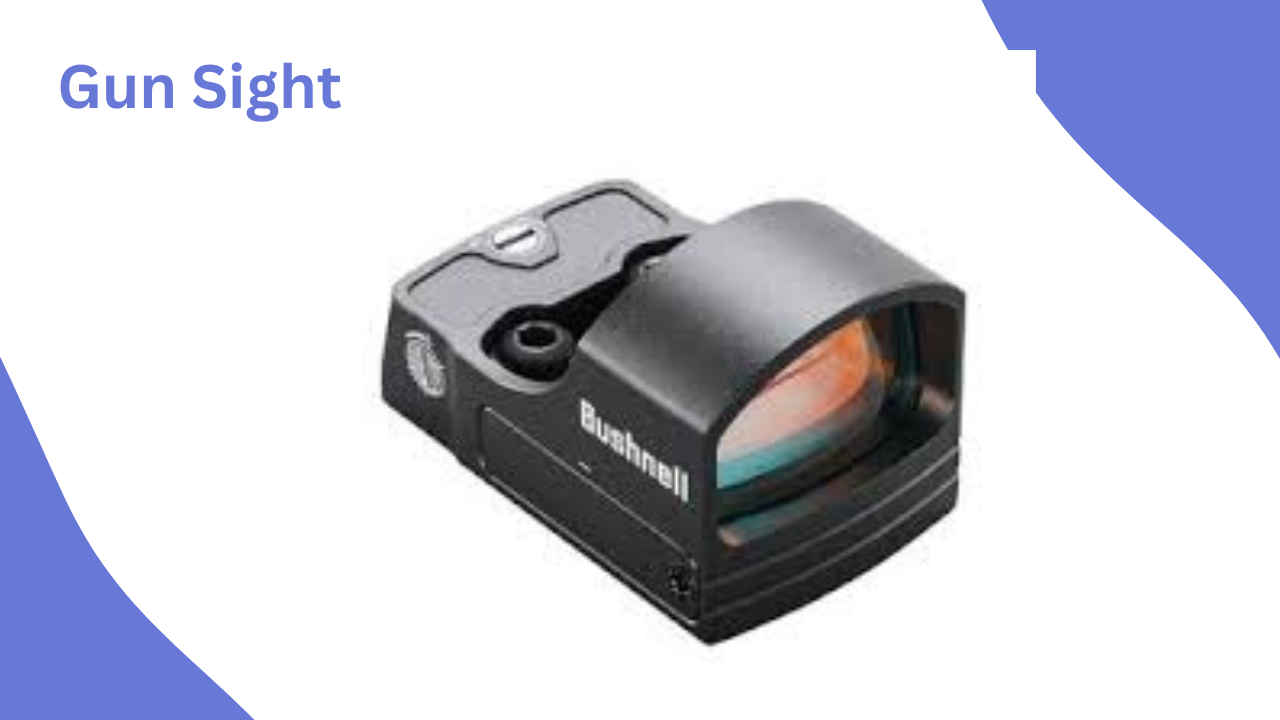
A gun sight is an important aiming tool used on firearms to help shooters focus on their target accurately. It is widely used in hunting, sports shooting, and professional shooting applications. The main purpose of a gun sight is to improve aiming precision and reduce shooting errors.
Accurate aiming is not only important for performance but also for safety. If the sight alignment is not correct, the shot may miss the target or go in an unsafe direction. Many people think that gun sight problems only happen when the sight is broken. However, in real situations, several factors can affect sight accuracy.
Environmental conditions, mechanical alignment, and optical quality all play a role in how well a gun sight performs. Understanding these factors helps explain why some shooters experience accuracy problems even when their equipment looks normal.
The Role of Gun Sight in Shooting Accuracy
The main function of a gun sight is to help align the firearm barrel with the target. It provides a visual reference point so the shooter can aim properly before firing.
There are different types of gun sights used in modern firearms:
-
Iron sights
-
Red dot sights
-
Optical scope sights
-
Holographic aiming systems
Each type has its own advantages. Some are designed for close-range shooting, while others are better for long-distance accuracy.
A good gun sight should provide clear visibility, stable alignment, and reliable targeting support.
Mechanical Alignment Problems
One common reason for gun sight accuracy issues is mechanical misalignment.
Gun sights must be mounted perfectly parallel to the firearm barrel. If the sight is slightly tilted or shifted, the bullet trajectory may not match the aiming point.
Mechanical vibration during shooting can also gradually loosen mounting screws. This can cause the sight position to change over time.
Regular inspection of mounting hardware is important to maintain shooting accuracy. Even a small movement in sight position can create noticeable aiming errors at longer distances.
Environmental Effects on Gun Sight Performance
Outdoor conditions can also affect gun sight performance.
Temperature changes may cause slight expansion or contraction of metal parts. This can influence sight alignment and optical clarity.
Dust, rain, fog, or strong sunlight may also reduce visibility through optical sights.
For example:
-
Fog can scatter light inside optical scopes
-
Bright sunlight may create glare on lens surfaces
-
Dust particles may block clear vision
Keeping the sight lens clean and protected helps maintain better aiming performance.
Optical Quality and Image Distortion
Optical distortion is another problem that can affect a gun sight.
High-quality gun sights use precision lenses and coatings to provide clear target images. If the optical glass quality is poor, images may appear slightly blurred or distorted.
Lens coating technology helps reduce reflection and improve light transmission. Without proper optical coating, shooters may experience glare or reduced contrast during aiming.
Professional shooting equipment usually uses advanced optical manufacturing processes to improve clarity.
Zeroing Issues in Gun Sights
Zeroing is the process of adjusting the sight so that the bullet impact point matches the aiming point at a specific distance.
If a gun sight is not properly zeroed, shooting accuracy will be affected. Zeroing must be done carefully because bullet trajectory changes with distance.
Many shooters perform zeroing calibration after installing a new sight or after transporting firearms.
Regular zeroing checks are recommended, especially for hunting or precision shooting applications.
Recoil Impact on Sight Stability
Recoil force generated during shooting can also influence gun sight stability.
Strong recoil may gradually shift sight components if the mounting system is not strong enough. This problem is more common in high-caliber firearms.
Manufacturers now design shock-resistant sight systems to reduce recoil effects. Durable materials and improved mounting structures help maintain alignment during repeated shooting.
Importance of Maintenance
Proper maintenance is essential for long-term gun sight performance.
Simple maintenance steps include:
-
Cleaning the lens surface regularly
-
Checking mounting screws
-
Inspecting alignment position
-
Protecting the sight from moisture
-
Avoiding physical impact
Good maintenance helps extend the lifespan of the sight system and improves shooting consistency.
Conclusion
A gun sight is a critical component for shooting accuracy and safety. While it may appear simple, its performance depends on many technical and environmental factors.
Mechanical alignment, optical quality, environmental conditions, recoil impact, and zeroing calibration all influence how well a gun sight works. Even small changes in these factors can affect shooting precision.
Modern gun sight technology continues to improve with better materials, stronger mounting systems, and advanced optical coatings. Regular inspection and proper maintenance are necessary to keep the sight working correctly.
By understanding these factors, shooters can achieve better accuracy and safer shooting performance.

 English
 Arabic
 French
 Spanish
 Deutsch
 Turkish
 Dutch
Dutch
 Italiano
 Russian
 Romaian
 Portuguese (Brazil)
 Greek
Greek
