


 Downloader
 Free FTP
Why Self-Service Kiosks Are the Future of Retail and Hospitality
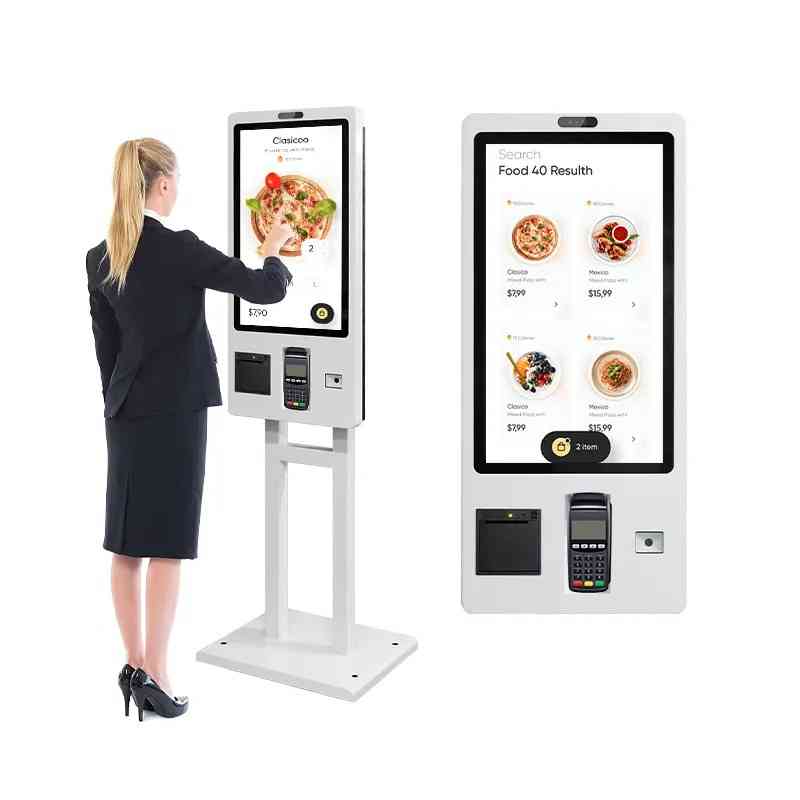
In today’s fast-paced world, businesses in retail and hospitality are constantly looking for ways to improve efficiency, reduce operational costs, and enhance customer experiences. One technology that is transforming how businesses operate is the self service kiosk. These interactive machines allow customers to place orders, check in, make payments, and access information without needing assistance from staff. As consumer expectations shift toward speed, convenience, and personalization, self-service kiosks are becoming an essential part of modern business environments.
The Growing Demand for Self-Service Technology
Customers today prefer fast and convenient service. Long queues, slow checkouts, and manual processes can lead to frustration and lost sales. The self service kiosk addresses this problem by allowing customers to complete transactions on their own in just a few steps.
From ordering food in restaurants to checking in at hotels and airports, kiosks streamline processes and eliminate unnecessary waiting times. As digital technology becomes more integrated into everyday life, customers are increasingly comfortable interacting with self-service systems.
Enhancing Customer Experience
One of the main reasons businesses are adopting the self service kiosk is to improve the overall customer experience. Kiosks empower customers to control their journey, whether they are browsing products, customizing an order, or completing a payment.
Some benefits for customers include:
-
Faster service with shorter wait times
-
Easy navigation and clear instructions
-
Customization options for products or services
-
Contactless and secure transactions
These features create a smoother and more enjoyable experience, which often leads to higher customer satisfaction and loyalty.
Increasing Operational Efficiency
For businesses, efficiency is a critical factor in staying competitive. A self service kiosk helps automate routine tasks that would normally require staff assistance.
This automation allows employees to focus on higher-value responsibilities such as customer support, product recommendations, and service quality. As a result, businesses can operate more efficiently while maintaining excellent service standards.
Additionally, kiosks reduce human errors in order taking and payment processing, improving accuracy and consistency in operations.
Reducing Operational Costs
Labor costs are a major expense in retail and hospitality industries. By implementing a self service kiosk, businesses can manage peak hours more effectively without constantly increasing staff numbers.
Kiosks can handle multiple transactions simultaneously, helping businesses serve more customers in less time. This reduces staffing pressure while maintaining smooth operations, especially during busy periods.
Over time, the cost savings from improved efficiency and reduced labor demands can significantly benefit businesses.
Supporting Data-Driven Decision Making
Another advantage of using a self service kiosk is the ability to collect valuable customer data. Businesses can analyze purchasing patterns, popular products, and customer preferences through kiosk interactions.
This data helps companies:
-
Improve product offerings
-
Optimize pricing strategies
-
Personalize promotions
-
Understand customer behavior
With better insights, businesses can make informed decisions that drive growth and profitability.
Improving Order Accuracy and Customization
In restaurants and hospitality services, miscommunication between customers and staff can lead to incorrect orders. A self service kiosk allows customers to directly input their preferences, reducing the risk of mistakes.
Customers can also easily customize their orders by selecting ingredients, portion sizes, or add-ons. This level of control not only improves accuracy but also encourages customers to explore additional options, often increasing average order value.
Meeting the Demand for Contactless Solutions
The global shift toward contactless services has accelerated the adoption of self-service technologies. A self service kiosk enables safe and touch-minimal interactions, making it especially valuable in environments where hygiene and safety are priorities.
Many kiosks now support digital payments, QR scanning, and mobile integrations, allowing customers to complete transactions quickly and securely.
The Future of Self-Service Kiosks
As technology continues to evolve, the capabilities of the self service kiosk will expand even further. Artificial intelligence, facial recognition, voice commands, and personalized recommendations are expected to enhance kiosk functionality.
In the future, kiosks will likely become smarter, more intuitive, and more integrated with mobile apps and online platforms. Businesses that adopt these technologies early will have a significant advantage in delivering fast, efficient, and personalized customer experiences.
Conclusion
The self service kiosk is rapidly transforming the retail and hospitality industries. By improving efficiency, reducing costs, enhancing customer experiences, and enabling data-driven decisions, kiosks offer powerful benefits for both businesses and customers.
As consumer expectations continue to evolve, self-service technology will play an increasingly important role in shaping the future of customer interactions. Businesses that embrace this innovation today will be better positioned to succeed in the competitive marketplace of tomorrow.

 English
 Arabic
 French
 Spanish
 Portuguese
 Deutsch
 Turkish
 Dutch
Dutch
 Italiano
 Romaian
 Portuguese (Brazil)
 Greek
Greek
