


 Downloader
 Free FTP
Promote Your Product
Got a product, service, or story to share? Promote it directly to our active community and boost your brand today.
Create an Ad
Publish Bulk Blog Posts
Boost Your Reach! 📝
Have articles, guest posts, or bulk stories to publish? Send your content directly to our editorial team and feature on our platform.
Email Us Your PostsHow Often Should You Schedule Commercial Vinyl Floor Cleaning?
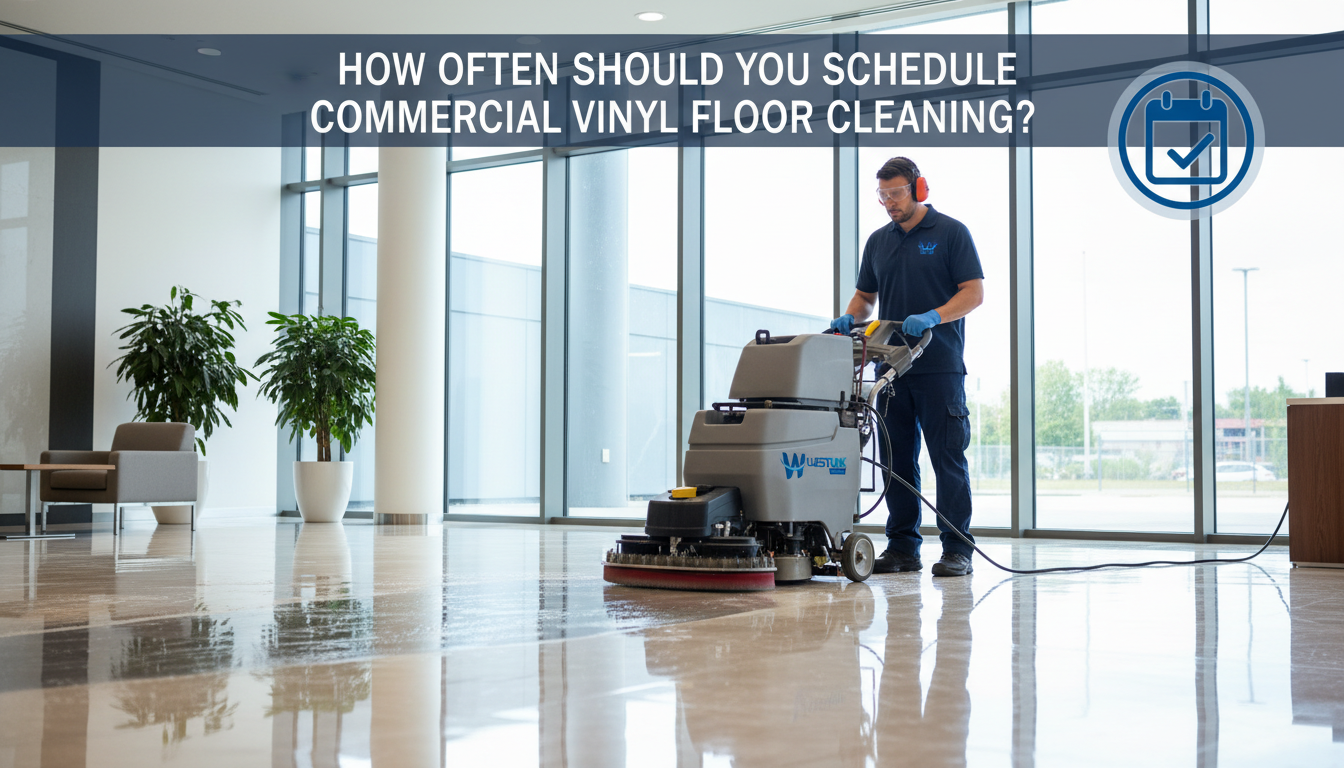
If you manage a business space, you already know that floors take daily damage. From muddy shoes and spilled drinks to rolling carts and heavy furniture, commercial floors go through a lot. Vinyl flooring is one of the most popular choices for offices, hospitals, schools, retail stores, and restaurants because it is durable and budget-friendly. But durability does not mean it can be ignored. Proper Commercial Vinyl Floor Cleaning is essential if you want your flooring to last and maintain a professional look.
Many business owners ask the same question: how often should vinyl floors be cleaned? The honest answer depends on several factors, including foot traffic, type of business, weather conditions, and maintenance habits. Cleaning too little can lead to damage and hygiene problems. Cleaning incorrectly or too aggressively can also shorten the life of the floor.
Understanding Commercial Vinyl Flooring
Before deciding on a cleaning schedule, it is important to understand how commercial vinyl flooring works. Vinyl floors are made of multiple layers. The top layer, called the wear layer, protects the design underneath. This layer is strong but can wear down over time if not maintained properly.
In commercial environments, foot traffic is much heavier than in homes. For example, in a busy shopping center, thousands of people may walk across the floor every day. Each step brings small particles like sand, dust, and dirt. These particles rub against the surface and slowly damage the protective layer.
If regular cleaning is ignored, dirt buildup can make the floor look dull and scratched. Over time, the damage becomes permanent. On the other hand, using harsh chemicals or too much water can weaken the adhesive under vinyl tiles.
Understanding the structure of vinyl flooring helps you see why proper cleaning frequency matters. It is not just about appearance. It is about protecting the material itself.
Daily Cleaning: The Foundation of Maintenance
Daily cleaning is the first and most important step in maintaining commercial vinyl floors. This does not mean deep cleaning every day. It simply means removing surface dirt and debris before they cause damage.
Sweeping and Vacuuming
Every commercial space should sweep or vacuum vinyl floors daily. In high-traffic areas, this may need to be done multiple times a day. Small debris, like sand and dust act like sandpaper under shoes. If left on the surface, they create scratches.
For example, in a retail store near a busy street, customers bring dirt inside constantly. Without daily sweeping, the floor surface can become dull within weeks.
Using a soft-bristle broom or a vacuum designed for hard floors is the safest choice. This simple step prevents long-term wear and keeps the floor looking fresh.
Spot Cleaning Spills
Spills should be cleaned immediately. Coffee, juice, oil, or cleaning chemicals can stain vinyl if left too long. In restaurants and office break rooms, quick action is especially important.
By handling spills right away, you prevent stains and reduce slip hazards. This daily habit supports both cleanliness and safety.
Weekly Cleaning: Maintaining Shine and Hygiene
In addition to daily maintenance, vinyl floors should be damp-mopped at least once or twice a week in moderate-traffic areas. High-traffic locations may require more frequent mopping.
Damp Mopping with Proper Cleaners
Use a pH-neutral cleaner specifically made for vinyl floors. Avoid harsh chemicals like bleach or ammonia, as they can damage the protective layer.
The mop should be damp, not soaking wet. Too much water can seep into seams and weaken adhesives, especially in vinyl tile or plank installations.
For example, in a school hallway, weekly damp mopping removes shoe marks and light stains. This keeps the floor clean without causing water damage.
Removing Surface Residue
Over time, cleaning products can leave behind residue. Weekly mopping helps prevent buildup that can make floors sticky or dull.
Regular light cleaning keeps the floor looking bright and reduces the need for aggressive scrubbing later.
Monthly Cleaning: Deep Surface Care
For most commercial environments, a more thorough cleaning should be done monthly. This includes machine scrubbing or low-speed buffing to remove deeper dirt and restore shine.
Machine Scrubbing
Auto-scrubbers with soft pads can clean large areas evenly. This method removes dirt embedded in textured vinyl surfaces.
In a hospital corridor, monthly machine cleaning helps maintain hygiene standards and prevents buildup from heavy foot traffic.
Light Polishing or Buffing
Buffing restores gloss and smoothness. It removes minor scuff marks and improves overall appearance.
Monthly polishing is especially useful in office lobbies and retail stores where presentation matters. It keeps the floor looking professional and welcoming.
Quarterly Cleaning: Restoring Protection
Every three to six months, businesses should consider more advanced maintenance. This may include stripping the old finish and applying a new protective coating.
Stripping and Recoating
Over time, protective floor finish wears down. Stripping removes the old layer along with deep dirt. A new finish is then applied to protect the vinyl.
For example, in a shopping mall with constant traffic, recoating every few months prevents permanent wear on the wear layer.
This process extends the life of the floor and reduces the need for replacement.
Annual Professional Deep Cleaning
At least once a year, professional cleaning services should inspect and deep clean your vinyl floors. Experts use advanced equipment and methods to restore the floor safely.
Professional services are especially important for high-traffic businesses such as airports, hospitals, and large retail stores.
An annual deep clean removes stubborn stains and buildup that regular maintenance cannot address. It also allows experts to check for early signs of damage.
Factors That Affect Cleaning Frequency
Cleaning schedules are different for every business. Some places need daily deep cleaning, while others may only need light maintenance. It depends on how the space is used and how much traffic it gets.
Understanding these factors helps you plan better. A proper schedule keeps your vinyl floors in good condition and prevents early damage.
Foot Traffic Volume
The number of people walking on the floor every day makes a big difference. Busy entrances, hallways, and checkout areas collect dirt very quickly. These spots may need daily cleaning and regular deep scrubbing.
In contrast, private offices or meeting rooms may not need as much attention. When traffic is heavy, dirt builds up faster and can scratch the surface if not cleaned on time.
Type of Business
Different businesses have different cleaning needs. Restaurants, cafés, and healthcare centers must follow strict hygiene rules. Food spills, grease, and germs require more frequent cleaning.
Corporate offices usually have less mess compared to food service areas. Still, regular maintenance is important to keep the space looking neat and professional.
Weather Conditions
Weather plays a big role in floor maintenance. During rainy or snowy seasons, people bring mud, water, and debris inside the building.
This extra moisture can damage vinyl floors if not cleaned quickly. Increasing cleaning frequency during bad weather helps protect the surface and prevent slipping hazards.
Floor Location
Floors near entrances or loading docks face more wear and tear. These areas handle outside dirt, heavy shoes, and sometimes equipment movement.
Because of this, they may need extra care compared to low-traffic areas. Paying attention to these zones prevents uneven wear and keeps the flooring looking consistent.
Signs Your Vinyl Floor Needs Immediate Cleaning
Sometimes, the floor clearly shows that it needs attention. Ignoring these signs can lead to bigger problems later.
If the surface looks dull or cloudy, it may mean dirt and residue have built up. This layer can slowly damage the shine and finish of the vinyl.
Sticky spots are another warning sign. They usually happen when cleaning products are not rinsed properly, or spills are left too long. Over time, this attracts more dirt.
Visible scratches may also appear if debris stays on the surface. Small particles act like sandpaper under shoes. Unpleasant odors can mean trapped moisture or bacteria. Quick action helps avoid long-term damage.
Creating a Maintenance Schedule That Works
A clear maintenance plan keeps everything organized. When tasks are written down, it is easier for staff to follow them regularly.
Daily sweeping and light mopping can prevent dust buildup. Weekly and monthly deep cleaning tasks should also be scheduled in advance. Planning avoids last-minute problems.
For larger spaces, hiring a professional cleaning company can make things easier. They can inspect your floors and create a plan based on traffic levels and floor condition.
The key is consistency. Regular light cleaning is better than waiting too long and needing heavy, expensive treatment later.
Benefits of Following a Proper Cleaning Schedule
A regular cleaning schedule protects your investment. Vinyl flooring can last many years if it is cared for properly.
Clean floors also reduce the risk of slipping accidents. Removing dirt and moisture improves safety for employees and visitors.
Good maintenance supports better indoor air quality as well. Dust and dirt are removed before they spread through the space.
From a business point of view, clean floors make a strong impression. Customers notice neat and well-maintained spaces. It shows that you care about quality and professionalism.
Conclusion
Scheduling the right cleaning routine is essential for maintaining commercial flooring. Commercial Vinyl Floor Cleaning should include daily sweeping, weekly damp mopping, monthly machine cleaning, and periodic professional maintenance. The exact frequency depends on traffic, business type, and environmental conditions.
By following a structured cleaning plan, businesses can protect their floors, maintain hygiene, and avoid costly repairs. Regular vinyl floor maintenance services not only improve appearance but also extend durability and ensure long-term performance.
FAQs
1. How often should high-traffic areas be cleaned?
High-traffic areas should be swept daily and damp-mopped several times a week. Deep cleaning may be required monthly.
2. Can vinyl floors be over-cleaned?
Yes, using harsh chemicals or excessive water too often can damage the protective layer. Proper methods are important.
3. Is professional cleaning necessary every year?
For most commercial spaces, annual professional deep cleaning is recommended to maintain floor condition.
4. What type of cleaner is best for vinyl floors?
A pH-neutral cleaner designed for vinyl flooring is the safest and most effective option.
5. Does regular cleaning really extend floor life?
Yes, consistent maintenance prevents wear and tear, helping vinyl floors last many years longer.

 English
 Arabic
 French
 Spanish
 Portuguese
 Deutsch
 Turkish
 Dutch
Dutch
 Russian
 Romaian
 Portuguese (Brazil)
 Greek
Greek
