


 Downloader
 Free FTP
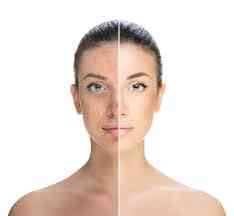
Skin pigmentation is a common concern for many people in Pakistan. From sun exposure to hormonal imbalance, several factors can trigger uneven skin tone. Understanding the different types of pigmentation helps you choose the right solution. With the right skin pigmentation treatment, you can restore a clearer and more confident appearance. Early diagnosis and professional care often make a significant difference in results.
What Is Skin Pigmentation?
Skin pigmentation refers to the coloring of your skin caused by melanin. When melanin production becomes uneven, dark patches or spots may appear. This condition can affect both men and women of all ages. In Pakistan’s hot climate, sun exposure is one of the leading triggers. Choosing the correct skin pigmentation treatment depends on identifying the root cause first.
Common Types of Skin Pigmentation
1. Melasma
Melasma appears as brown or grey-brown patches, usually on the cheeks, forehead, and upper lip. It is common among women, especially during pregnancy or due to hormonal changes. Sun exposure can worsen this condition significantly. Dermatologists often recommend targeted skin pigmentation treatment such as topical creams, chemical peels, or laser therapy for visible improvement.
2. Post-Inflammatory Hyperpigmentation (PIH)
PIH occurs after skin inflammation caused by acne, burns, or injuries. Dark spots remain after the original wound has healed. This type is very common among Pakistani teenagers and young adults dealing with acne. Mild cases may fade with natural ways like aloe vera and sun protection, but stubborn marks often require professional skin pigmentation treatment for faster recovery.
3. Sunspots (Solar Lentigines)
Sunspots are small dark patches caused by prolonged sun exposure. They typically appear on the face, hands, and arms. People living in sunny cities like Karachi, Lahore, and Islamabad are more prone to this issue. Regular use of sunscreen and clinical skin pigmentation treatment options such as laser resurfacing can help reduce their appearance.
4. Freckles
Freckles are small brown spots that are usually genetic. They may become darker with sun exposure. While freckles are harmless, some individuals prefer treatment for cosmetic reasons. Light-based skin pigmentation treatment procedures can minimize their visibility safely.
5. Vitiligo
Vitiligo causes white patches on the skin due to loss of melanin. It is an autoimmune condition and requires medical supervision. Treatment may include topical medications, light therapy, or advanced dermatological procedures. Early consultation improves the chances of managing the condition effectively.
Causes of Skin Pigmentation in Pakistan
Several factors contribute to pigmentation problems in our region. Understanding these causes helps prevent further damage and supports better skin pigmentation treatment outcomes.
-
Excessive sun exposure without sunscreen.
-
Hormonal changes during pregnancy or due to medication.
-
Acne scars and skin injuries.
-
Use of low-quality cosmetic products.
-
Genetic predisposition.
Protecting your skin from harsh UV rays is especially important in Pakistan’s climate. Preventive care combined with expert advice offers long-term benefits.
Effective Skin Pigmentation Treatment Options
Modern dermatology offers multiple solutions based on the severity of pigmentation. A qualified skin specialist can assess your skin type before recommending a suitable plan. Professional skin pigmentation treatment ensures safe and lasting results compared to random home remedies.
Topical creams containing ingredients like hydroquinone, retinoids, and vitamin C help lighten dark patches gradually. Chemical peels remove the damaged outer layer of skin and promote new cell growth. Laser therapy targets excess melanin and provides more dramatic improvement in fewer sessions. Each method should be performed under expert supervision to avoid side effects.
Natural Ways to Support Treatment
Some people prefer starting with natural ways to improve mild pigmentation. Remedies like aloe vera gel, turmeric masks, and potato juice are commonly used in Pakistani households. These methods may help brighten the skin slowly over time. However, natural ways work best for mild cases and should not replace medical skin pigmentation treatment when the condition is severe.
Maintaining a healthy diet rich in vitamins and antioxidants also supports skin repair. Drinking plenty of water keeps the skin hydrated and improves overall texture. Combining lifestyle changes with professional care provides better and more sustainable outcomes.
How to Choose the Right Clinic
Selecting a reputable clinic is essential for safe results. Look for certified dermatologists with experience in treating different skin types. Pakistani skin tones require customized approaches for effective skin pigmentation treatment. Avoid unqualified practitioners who promise instant results at very low costs.
A proper consultation should include skin analysis and discussion of medical history. This ensures that the recommended procedure matches your specific needs. Personalized treatment plans deliver more natural and satisfying results.
Prevention Tips for Long-Term Results
Preventing pigmentation is easier than treating it later. Daily sunscreen use with SPF 50 is highly recommended in Pakistan. Wearing protective clothing and avoiding peak sun hours can reduce melanin overproduction. Consistent skincare routines support the success of any skin pigmentation treatment plan.
Avoid picking acne or using harsh beauty products that irritate the skin. Gentle cleansing and moisturizing maintain the skin barrier. Regular dermatologist visits help monitor progress and prevent recurrence.
FAQs About Skin Pigmentation
1. Is skin pigmentation permanent?
Not always. Many types respond well to proper skin pigmentation treatment if diagnosed early.
2. How long does treatment take?
It depends on the severity and type of pigmentation. Some cases improve within weeks, while others may take several months.
3. Are laser treatments safe for Pakistani skin?
Yes, when performed by experienced professionals using suitable technology for darker skin tones.
4. Can natural ways completely remove pigmentation?
Natural ways may help lighten mild spots, but deeper pigmentation often requires medical treatment.
Final Thoughts
Skin pigmentation can affect confidence, but effective solutions are available. Identifying the type and cause is the first step toward healthier skin. With professional skin pigmentation treatment, long-lasting improvement is achievable for most individuals. If you are looking for expert care and advanced solutions, consider consulting skn cosmetics, where experienced specialists provide personalized treatment plans tailored for Pakistani skin types.

 English
 Arabic
 French
 Spanish
 Portuguese
 Deutsch
 Turkish
 Dutch
Dutch
 Italiano
 Russian
 Romaian
 Greek
Greek
