


 Downloader
 Free FTP
Promote Your Product
Got a product, service, or story to share? Promote it directly to our active community and boost your brand today.
Create an Ad
Publish Bulk Blog Posts
Boost Your Reach! 📝
Have articles, guest posts, or bulk stories to publish? Send your content directly to our editorial team and feature on our platform.
Email Us Your PostsA Complete Guide for Farmers to Track Daily Crop Prices Across Local Markets
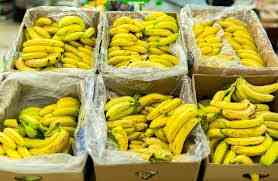
Agriculture has always been the backbone of rural economies, and for millions of farmers, crop prices decide not just profits but livelihood security. In today’s fast-moving agricultural ecosystem, knowing the right price at the right time can make a massive difference. Farmers who stay informed about market trends, price fluctuations, and demand patterns are far better positioned to sell their produce profitably.
This detailed guide explains how farmers can track daily crop prices across local markets, understand pricing mechanisms, use digital tools, and make smarter selling decisions. It also highlights why checking mandi rate today has become essential for modern farming.
Understanding the Importance of Daily Crop Prices
Crop prices are not fixed. They change every day based on supply, demand, weather conditions, transportation costs, storage availability, government policies, and international market trends. Even within the same district, prices can vary from one mandi to another.
For farmers, this means:
-
Selling on the wrong day can reduce profits
-
Choosing the wrong mandi can lead to lower returns
-
Lack of information often benefits middlemen more than farmers
Tracking daily prices empowers farmers to negotiate better and avoid distress sales.
What Are Local Agricultural Markets (Mandis)
Local agricultural markets, commonly known as mandis, are regulated marketplaces where farmers sell their produce to traders, wholesalers, processors, and exporters. These markets are usually managed by Agricultural Produce Market Committees (APMCs).
Mandis provide:
-
A structured platform for buying and selling crops
-
Price discovery through open auction systems
-
Basic infrastructure like weighing, storage, and payment facilities
However, price transparency varies, which makes daily price tracking extremely important.
How Crop Prices Are Decided in Mandis
Crop prices in mandis depend on several factors:
Supply and Demand
When supply is high and demand is low, prices fall. When supply is limited and demand is strong, prices rise.
Crop Quality
Better quality produce fetches higher prices. Factors include size, moisture content, freshness, and grading.
Seasonal Variations
Harvest seasons usually bring price drops due to oversupply, while off-season periods see higher prices.
Transportation and Logistics
Higher transport costs can reduce the price farmers receive, especially in remote areas.
Government Policies
Minimum Support Price (MSP), export bans, import duties, and procurement policies directly affect market prices.
Why Farmers Must Check Prices Daily
Checking prices daily is no longer optional—it is a necessity.
Benefits include:
-
Better timing of sales
-
Selection of the most profitable mandi
-
Improved bargaining power
-
Reduced dependency on commission agents
-
Better planning for storage or delayed selling
Many experienced farmers now begin their day by checking mandi rate today before deciding whether to sell or wait.
Traditional Ways Farmers Tracked Crop Prices
Before digital access, farmers relied on:
-
Word of mouth from other farmers
-
Local traders and commission agents
-
Notice boards at mandis
-
Radio announcements
-
Newspapers
While useful, these methods often provided delayed or incomplete information.
Digital Revolution in Agricultural Price Tracking
Technology has transformed how farmers access market prices.
Government Portals
Several government platforms now provide real-time price updates across thousands of mandis.
Mobile Applications
Smartphone apps allow farmers to check prices anytime, anywhere.
SMS and WhatsApp Services
Price alerts via SMS or WhatsApp are extremely useful for farmers without smartphones.
Social Media and Farmer Groups
Local farmer groups frequently share price updates and market trends.
How to Check Daily Crop Prices Online
Farmers can follow these steps:
-
Select the crop name
-
Choose the state and district
-
Compare prices across nearby mandis
-
Check minimum, maximum, and modal prices
-
Analyze trends over the past few days
This habit helps farmers understand whether prices are rising, stable, or declining.
Role of Mobile Apps in Price Awareness
Agricultural apps have simplified price tracking.
Key benefits:
-
Real-time updates
-
User-friendly interfaces
-
Multiple language support
-
Historical price data
-
Weather and advisory integration
Many apps highlight mandi rate today prominently, making them ideal for daily use.
Understanding Minimum, Maximum, and Modal Prices
Mandis usually report three types of prices:
-
Minimum price – Lowest price at which the crop was sold
-
Maximum price – Highest price achieved
-
Modal price – Most common price
Farmers should focus more on modal prices, as they reflect realistic market value.
Comparing Prices Across Multiple Mandis
Selling in the nearest mandi is not always the most profitable option.
Price comparison helps farmers:
-
Identify better-paying markets
-
Decide whether transport costs are justified
-
Avoid overcrowded mandis
A small difference in price per quintal can result in significant income changes for bulk sellers.
Best Time of Day to Sell Produce
Prices can vary even within the same day.
-
Early morning auctions often see better participation
-
Late arrivals may face lower demand
-
Some traders bid aggressively at peak hours
Understanding daily auction behavior helps farmers plan arrival times.
Importance of Storage in Price Management
Storage allows farmers to:
-
Avoid distress selling
-
Wait for better prices
-
Reduce post-harvest losses
Cold storage and warehouse receipt systems are becoming valuable tools for price optimization.
How Weather Affects Daily Crop Prices
Weather impacts:
-
Harvest quality
-
Transportation
-
Supply volume
Unexpected rain or heat waves can cause sudden price fluctuations in local markets.
Government Initiatives Supporting Price Transparency
Governments have launched multiple initiatives to support farmers:
-
Digital mandi platforms
-
e-trading systems
-
Price information helplines
-
Farmer producer organizations
These efforts aim to ensure fair price discovery.
Role of Farmer Producer Organizations (FPOs)
FPOs help farmers:
-
Aggregate produce
-
Negotiate better prices
-
Access larger markets
-
Reduce dependence on middlemen
Collective selling often results in higher average prices.
Common Mistakes Farmers Make While Tracking Prices
-
Relying on a single source
-
Ignoring quality grading
-
Not accounting for transport costs
-
Selling in panic during price drops
-
Failing to check mandi rate today consistently
Avoiding these mistakes improves profitability.
Tips to Maximize Profits Using Daily Price Data
-
Track prices for at least a week before selling
-
Compare multiple mandis
-
Monitor demand trends
-
Improve crop quality and grading
-
Use storage when prices are low
Future of Crop Price Tracking in India
The future includes:
-
AI-based price predictions
-
Voice-enabled price checks
-
Integration with digital payments
-
Real-time demand forecasting
These innovations will further empower farmers.
Conclusion
Access to accurate and timely crop price information is a powerful tool for farmers. In an era where margins are tight and risks are high, informed decisions can make the difference between profit and loss. By regularly tracking local market prices, comparing mandis, and understanding trends, farmers can take control of their income.
Making it a habit to check mandi rate today is no longer just smart—it is essential for sustainable and profitable farming.

 English
 Arabic
 French
 Spanish
 Portuguese
 Deutsch
 Turkish
 Dutch
Dutch
 Italiano
 Romaian
 Portuguese (Brazil)
 Greek
Greek
