


 Downloader
 Free FTP
Promote Your Product
Got a product, service, or story to share? Promote it directly to our active community and boost your brand today.
Create an Ad
Publish Bulk Blog Posts
Boost Your Reach! 📝
Have articles, guest posts, or bulk stories to publish? Send your content directly to our editorial team and feature on our platform.
Email Us Your PostsThe Role of an MEP Engineer in High-Rise and Commercial Buildings
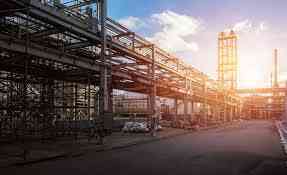
Modern high-rise and commercial buildings are complex structures that go far beyond concrete, steel, and glass. Behind their smooth operation, comfort, and safety lies a carefully planned system of Mechanical, Electrical, and Plumbing (MEP) services. An MEP engineer plays a critical role in designing, coordinating, and implementing these systems to ensure that buildings function efficiently, safely, and in compliance with regulations.
In this blog, we will explore the role of an MEP engineer in high-rise and commercial buildings, their responsibilities at different project stages, and how professional firms like YourBIMPartner provide MEP engineering services to support successful construction projects.
Understanding the Role of an MEP Engineer
An MEP engineer is responsible for planning and integrating mechanical, electrical, and plumbing systems within a building. These systems are essential for everyday operations, including heating and cooling, power distribution, lighting, water supply, drainage, fire protection, and ventilation.
In high-rise and commercial buildings, MEP systems are far more complex than in residential structures due to larger occupancy loads, strict safety requirements, and the need for uninterrupted operations. The MEP engineer ensures that all systems work together seamlessly without clashes, inefficiencies, or safety risks.
Importance of MEP Engineering in High-Rise Buildings
High-rise buildings demand precise MEP planning because of their vertical scale and high occupancy. Factors such as pressure zones, energy efficiency, emergency systems, and maintenance access must be carefully considered.
An MEP engineer designs systems that can operate effectively across multiple floors while maintaining consistent performance. For example, water pressure management, smoke control systems, and backup power solutions are critical elements in tall buildings. Without expert MEP engineering, these structures would face operational failures and safety hazards.
Mechanical Systems Design and Coordination
Mechanical systems are a core responsibility of MEP engineers. These systems include heating, ventilation, and air conditioning (HVAC), which are essential for indoor comfort and air quality.
In commercial and high-rise buildings, HVAC systems must handle varying loads across different zones. Offices, retail areas, parking levels, and common spaces all have unique requirements. An MEP engineer designs energy-efficient HVAC solutions that maintain comfortable temperatures while minimizing operational costs.
Proper ventilation is also vital to ensure healthy indoor environments. MEP engineers plan air distribution, exhaust systems, and fresh air intake to meet building codes and sustainability standards.
Electrical Systems for Safety and Efficiency
Electrical systems in commercial buildings are complex networks that support lighting, power outlets, elevators, IT infrastructure, and life safety systems. An MEP engineer designs electrical layouts that ensure reliable power distribution and reduce the risk of overloads or failures.
High-rise buildings also require emergency power systems such as generators and uninterruptible power supplies. These systems are critical for fire alarms, emergency lighting, elevators, and security systems during power outages.
Energy efficiency is another key focus. MEP engineers incorporate LED lighting, smart controls, and energy management systems to reduce electricity consumption while maintaining performance.
Plumbing and Fire Protection Systems
Plumbing systems in high-rise buildings involve more than basic water supply and drainage. An MEP engineer designs systems that manage water pressure, hot water circulation, and wastewater disposal across multiple floors.
Fire protection is one of the most critical responsibilities of an MEP engineer. This includes designing sprinkler systems, fire pumps, hose reels, and smoke extraction systems. These elements must comply with strict local and international fire safety standards.
In commercial buildings, a well-designed plumbing and fire protection system ensures occupant safety, regulatory compliance, and long-term reliability.
Coordination with Other Disciplines
One of the most important roles of an MEP engineer is coordination. MEP systems must integrate seamlessly with architectural and structural elements. Poor coordination can lead to clashes, delays, and costly rework.
MEP engineers work closely with architects, structural engineers, and contractors to ensure that ducts, pipes, and cables fit within the building layout without compromising aesthetics or structural integrity. This coordination is especially critical in high-rise projects where space is limited and systems are dense.
Role of BIM in MEP Engineering
Building Information Modeling (BIM) has transformed the way MEP engineers work. BIM allows engineers to create detailed 3D models of mechanical, electrical, and plumbing systems before construction begins.
Using BIM, MEP engineers can detect clashes, optimize layouts, and improve coordination with other disciplines. This reduces errors, saves time, and lowers construction costs.
In high-rise and commercial projects, BIM-based MEP design improves accuracy, enhances collaboration, and supports efficient facility management after project completion.
Compliance with Codes and Regulations
High-rise and commercial buildings must comply with strict local and international building codes. MEP engineers ensure that all systems meet regulatory requirements related to safety, energy efficiency, fire protection, and environmental standards.
Failure to comply can result in project delays, fines, or even building closures. An experienced MEP engineer ensures that designs are approved by authorities and meet all technical and legal standards.
Sustainability and Energy Efficiency
Sustainability is becoming a major focus in modern construction. MEP engineers play a key role in reducing a building’s environmental impact by designing energy-efficient systems.
This includes optimizing HVAC performance, reducing water consumption, integrating renewable energy solutions, and implementing smart building technologies. In commercial buildings, these measures lead to lower operating costs and improved environmental performance.
Construction Support and Commissioning
The role of an MEP engineer does not end with design. During construction, they provide technical support, review shop drawings, and conduct site inspections to ensure systems are installed correctly.
After installation, MEP engineers are involved in testing and commissioning. This process verifies that all systems operate as intended and meet performance standards before the building is handed over for use.
How YourBIMPartner Provides MEP Engineering Services
Professional expertise is essential to manage the complexity of MEP systems in high-rise and commercial buildings. YourBIMPartner provides comprehensive MEP engineering services using advanced BIM methodologies and industry best practices.
Their services include MEP design, BIM modeling, coordination, clash detection, and construction documentation. By leveraging BIM, YourBIMPartner helps reduce errors, improve collaboration, and deliver efficient, well-coordinated MEP solutions.
Whether for office towers, shopping malls, mixed-use developments, or large commercial facilities, YourBIMPartner supports projects from concept design to construction and commissioning. Their focus on accuracy, efficiency, and compliance makes them a reliable partner for complex building projects.
Conclusion
The role of an MEP engineer in high-rise and commercial buildings is fundamental to the success of any project. From designing efficient mechanical systems to ensuring electrical safety and reliable plumbing, MEP engineers ensure that buildings function smoothly and safely.
With the increasing complexity of modern structures, expert MEP engineering supported by BIM is no longer optional it is essential. By working with experienced service providers like YourBIMPartner, developers and contractors can achieve high-performance buildings that meet technical, safety, and sustainability standards while minimizing risks and costs.

 English
 Arabic
 French
 Spanish
 Portuguese
 Deutsch
 Turkish
 Dutch
Dutch
 Russian
 Romaian
 Portuguese (Brazil)
 Greek
Greek
