


 Downloader
 Free FTP
Feeling Cold as the Body Adjusts to Metabolic Care
It is not uncommon for people to experience feeling cold during periods of metabolic change. This may include feeling chilled indoors, sensitivity to air conditioning, or cold hands and feet that seem to appear without warning. Although these sensations can be uncomfortable, they are often linked to normal internal adjustments rather than external temperature.
As the body adapts to new patterns of energy use, changes in warmth and comfort can occur.

How Metabolic Changes Affect Temperature
The body maintains warmth through a combination of calorie utilization, circulation, and nervous system responses. When metabolism shifts, the balance between heat production and heat conservation may change. This can make feeling cold more noticeable during everyday activities.
In most cases, this response reflects adaptation and efficiency rather than a sign of poor health.
Reduced Energy Intake and Warmth
Calories serve as fuel for both movement and heat production. Digesting food creates thermal energy that supports stable body temperature. When calorie intake decreases, heat generation also declines.
During this adjustment period, people may notice feeling cold more often when sitting, resting, or working in low-activity environments.
Metabolic Treatment and Temperature Awareness
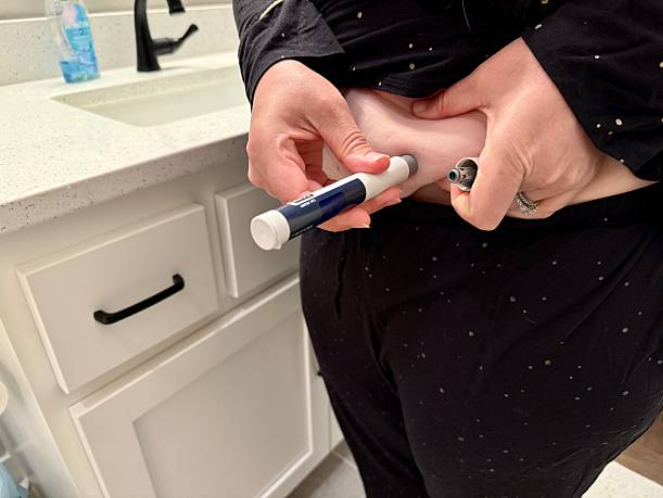
For individuals using GLP-1 medication, appetite changes are a common part of care. These medications support weight management and metabolic health, but they also influence energy availability.
Lower calorie intake and gradual weight loss can make feeling cold more noticeable. Many individuals on GLP-1 medication report this sensation early in treatment as their body adjusts to new metabolic patterns.
Body Composition Shifts Over Time
Changes in body composition also play a role in temperature perception. Fat tissue provides insulation, while muscle contributes to heat generation. When fat mass decreases, the body may retain less warmth.
This shift can increase feeling cold, especially in cooler environments. Over time, the body often adapts as weight and muscle mass stabilizes.
Circulatory Adjustments
Circulation is another important factor in temperature comfort. To protect vital organs, the body may limit blood flow to the hands and feet. This adaptive response can increase feeling cold in the extremities.
Regular movement, stretching, and hydration can help support circulation and reduce discomfort.
Supporting Warmth Through Daily Habits
Daily habits can make a meaningful difference in managing cold sensitivity. Adequate protein intake supports muscle mass and metabolic heat production. For those using GLP-1 medication, balanced nutrition is especially important.
Simple strategies such as wearing layers, staying active, and choosing warm meals or beverages can help minimize feeling cold throughout the day.
When to Discuss Symptoms Clinically
While cold sensitivity is often expected, persistent or worsening symptoms should be reviewed with a healthcare provider. Ongoing feeling cold, fatigue, or weakness may indicate the need for nutritional or metabolic assessment.
Clinical oversight helps ensure individuals using GLP-1 medication continue treatment safely and comfortably.
Conclusion
Feeling cold during metabolic care is a common and usually temporary experience. It reflects changes in energy intake, body composition, and circulation. With time, supportive habits, and appropriate medical guidance, feeling cold often becomes less noticeable as the body adapts.

 Arabic
 French
 Spanish
 Portuguese
 Deutsch
 Turkish
 Dutch
Dutch
 Italiano
 Russian
 Romaian
 Portuguese (Brazil)
 Greek
Greek
