


 Downloader
 Free FTP
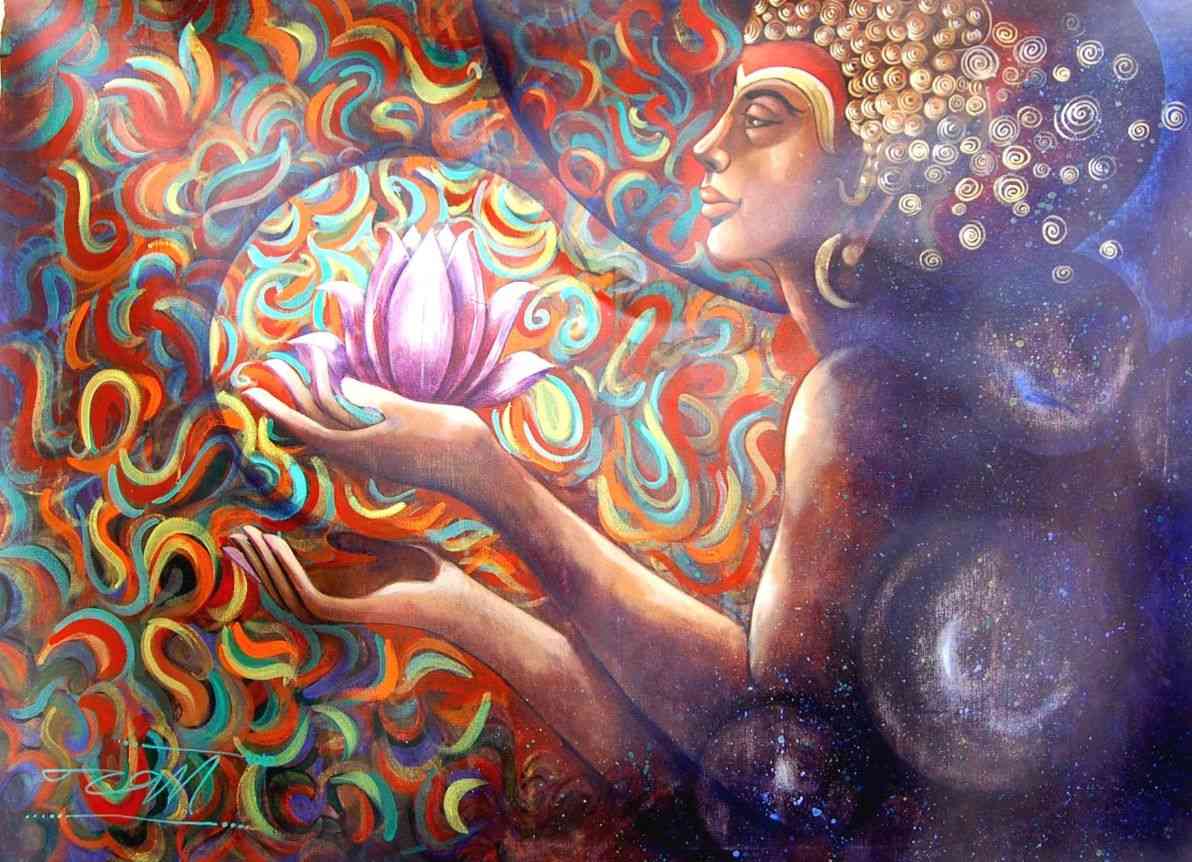
Why Traditional Art Still Matters
In a rapidly globalizing and digitized art ecosystem, traditional art continues to hold a powerful, irreplaceable presence. Rooted in history, ritual, and cultural identity, traditional art is not simply about aesthetic appeal—it is a living archive of values, beliefs, and craftsmanship passed down through generations. In India, this legacy finds one of its most enduring expressions in Indian oil paintings, where age-old narratives meet refined technique and material permanence.
For collectors, curators, and cultural institutions, understanding traditional art today requires more than nostalgia. It demands insight into how heritage adapts, how mediums like oil painting sustain relevance, and how thoughtful collecting can preserve authenticity while supporting contemporary artistic voices. This article explores the significance of traditional art, the role of Indian oil paintings, and actionable ways to engage with this timeless form in a modern context.
Understanding Traditional Art Beyond Aesthetics
Traditional art is often defined by its continuity—styles, themes, and methods that remain connected to historical practices. In India, traditional art draws from mythology, folklore, classical literature, and devotional imagery, reflecting a worldview shaped by spirituality and community life.
Unlike trend-driven contemporary art, traditional art emphasizes discipline, symbolism, and narrative clarity. Every motif, gesture, and color choice carries meaning. Indian oil paintings, in particular, offer artists a medium capable of capturing this depth through layered textures and nuanced tonal variation.
Actionable insight:
When evaluating traditional artworks, look beyond surface beauty. Understanding iconography, regional styles, and symbolic elements enhances both appreciation and long-term value.
Indian Oil Paintings as a Custodian of Tradition
Oil painting, though introduced to India through European influence, has been masterfully adapted by Indian artists to express indigenous themes. Over time, Indian oil paintings have become a powerful bridge between traditional subject matter and fine art technique.
From depictions of deities and royal court scenes to rural life and classical dance forms, oil paintings allow for realism, detail, and emotional resonance. Their durability also makes them ideal for preserving traditional narratives for future generations.
Actionable insight:
Collectors seeking traditional art should consider oil paintings for their longevity and visual richness. Properly conserved oil works can endure for decades, making them both cultural and material assets.
The Cultural Value of Traditional Art in Contemporary India
In today’s art market, traditional art plays a crucial role in sustaining cultural identity. As younger generations engage with global aesthetics, traditional Indian art offers grounding—a reminder of origin and continuity.
Indian oil paintings are increasingly being reinterpreted by contemporary artists who respect traditional frameworks while introducing subtle modern elements. This evolution ensures that tradition remains dynamic rather than static.
Forward-thinking perspective:
Supporting artists who thoughtfully reinterpret traditional themes helps keep heritage relevant without diluting its authenticity.
Collecting Traditional Art with Purpose
Collecting traditional art is both an emotional and intellectual pursuit. For seasoned and first-time collectors alike, informed decision-making ensures meaningful acquisitions.
Key considerations include:
-
Authenticity and provenance: Verify the artist’s background and the artwork’s origin.
-
Technique and medium: Assess brushwork, layering, and material quality in oil paintings.
-
Cultural context: Understand the story and symbolism behind the artwork.
-
Personal resonance: Choose works that align with your values and long-term vision.
Actionable insight:
Engage with reputable galleries and curators who specialize in traditional Indian art. Their expertise can help navigate quality and authenticity with confidence.
Traditional Art as an Investment and Legacy
Beyond aesthetics, traditional art carries investment potential rooted in scarcity, craftsmanship, and cultural relevance. Indian oil paintings depicting classical themes often retain or increase value over time, especially when created by skilled artists with consistent practice.
More importantly, traditional art offers collectors the opportunity to become custodians of heritage—preserving narratives that might otherwise fade.
The Role of Digital Platforms in Preserving Tradition
Technology has transformed how traditional art is discovered and shared. Online galleries and curated platforms now provide global access to Indian oil paintings, educational resources, and artist stories.
This digital shift ensures wider visibility for traditional artists while allowing collectors to research and acquire art with greater transparency.
Forward-thinking advice:
Use digital platforms to learn, compare, and engage—but prioritize authenticity and curatorial credibility when purchasing traditional art online.
Conclusion: Carrying Tradition Forward
Traditional art is not a relic of the past; it is a foundation for cultural continuity and creative evolution. Through Indian oil paintings, traditional narratives gain permanence, relevance, and renewed voice in a changing world.
For collectors and art enthusiasts, the choice to support traditional art is both an aesthetic commitment and a cultural responsibility. By collecting thoughtfully, engaging with artists, and valuing authenticity, we ensure that tradition does not merely survive—but thrives.
Thought-provoking takeaway:
When you invest in traditional art, ask yourself: are you simply acquiring an artwork, or are you helping carry centuries of cultural wisdom into the future?

 English
 Arabic
 French
 Spanish
 Portuguese
 Deutsch
 Turkish
 Dutch
Dutch
 Italiano
 Russian
 Romaian
 Greek
Greek
